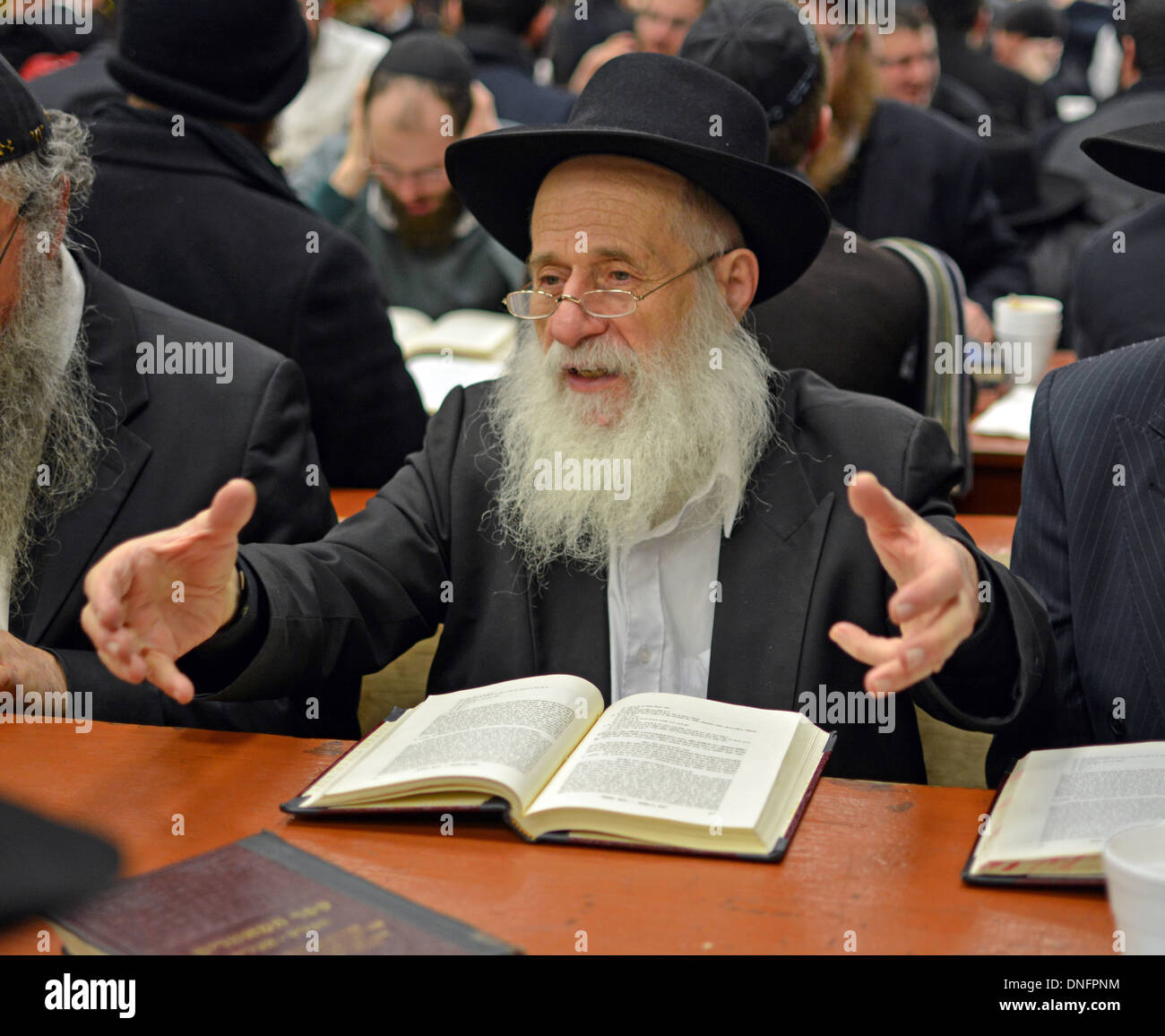
Rabbi Jonathan Hecht stands out as a prominent rabbinic figure who has spent decades shaping contemporary congregational life, navigating the complexities of Jewish identity, and fostering community engagement. Serving long tenures in congregational leadership—including notable roles such as his tenure at Temple Har Shalom in Park City, Utah—he has addressed the evolving needs of modern congregants by balancing traditional texts with contemporary social realities. Rather than letting institutional models stagnate, his approach focuses on active listening, pastoral care, and building resilient communities that welcome diverse backgrounds.
In an era defined by rapid secularization and shifting cultural paradigms, spiritual leaders must find new ways to keep ancient traditions relevant. Rabbi Hecht's career offers a clear lens into how modern clergy address interfaith relationships, civic integration, and lifelong learning. Examining his contributions reveals practical lessons about spiritual leadership, community building, and the mechanics of maintaining cultural continuity without retreating into isolation.
The Core Philosophy of Modern Rabbinic Leadership
Traditional models of synagogue leadership often relied heavily on top-down authority. Today's spiritual landscape requires a collaborative dynamic where congregants actively co-create their religious and cultural experiences. Rabbi Hecht's philosophy emphasizes accessibility, ensuring that sacred texts and ethical frameworks speak directly to daily life challenges.
- Active Pastoral Engagement: Moving beyond the pulpit to meet congregants in their personal struggles, professional transitions, and family milestones.
- Inclusivity in Practice: Creating welcoming spaces for interfaith families, secular seekers, and individuals exploring their roots.
- Translating Tradition: Framing ancient ritual laws through a modern psychological and ethical framework.
By focusing on these pillars, contemporary leaders build institutions that survive societal shifts. You'll find that successful modern synagogues prioritize emotional connection alongside intellectual study.
Navigating Interfaith Dynamics and Social Integration
One of the most persistent challenges in contemporary religious communities is maintaining distinct heritage while participating fully in a pluralistic society. Rabbi Hecht has consistently advocated for open dialogue across different denominational lines and secular groups. This approach recognizes that isolationism often backfires in a globalized world.
Instead of viewing external cultural influences as an existential threat, forward-thinking leaders utilize engagement as a tool for strengthening internal conviction. For instance, educational programming often incorporates comparative ethics, allowing participants to understand their own heritage more deeply by examining how other traditions handle parallel moral dilemmas.
Practical Steps for Community Resilience
Building a thriving spiritual community doesn't happen by accident. Leaders who successfully revitalize modern congregations typically implement structured initiatives:
- Establish Small Study Circles: Break large congregational bodies into intimate chavrutah-style learning groups to foster deep personal connections.
- Prioritize Transparent Communication: Address contemporary social issues head-on during weekly teachings rather than avoiding uncomfortable topics.
- Expand Outreach Programs: Create volunteer networks that partner with secular civic organizations, demonstrating active civic responsibility.
These steps transform a passive membership base into an active, invested community.
Lifelong Learning as an Anchor for Identity
Identity erosion remains a core concern for minority and religious groups in the twenty-first century. When cultural touchstones fade, individuals often drift away from organized communal life. Rabbi Hecht's educational initiatives emphasize that adult education is just as vital as youth schooling.
According to historical research compiled by institutions like the Union for Reform Judaism, adult learners who engage in regular text study or Jewish philosophy classes exhibit significantly higher rates of long-term community retention. Lifelong learning provides the intellectual tools necessary to answer existential questions, counter misinformation, and pass meaningful traditions down to the next generation.
Common Misconceptions About Modern Rabbinic Roles
People outside of active synagogue life often misunderstand what a contemporary rabbi actually does day-to-day. Let's clear up a few common myths:
- Myth: Rabbis only work on weekends. Reality: The vast majority of a rabbi's week is consumed by pastoral counseling, crisis management, committee meetings, and class preparation.
- Myth: Traditional leaders reject modern science. Reality: Most contemporary streams embrace scientific inquiry, viewing empirical discovery as complementary to spiritual truth.
- Myth: Congregational leadership is static. Reality: Leaders must constantly adapt to generational shifts, changing economic pressures, and digital communication trends.
Frequently Asked Questions
What is the primary focus of Rabbi Jonathan Hecht's rabbinic work?
His career focuses on congregational leadership, adult education, pastoral counseling, and building inclusive communities that bridge traditional values with modern realities.
How do modern rabbis address interfaith families?
Most contemporary leaders focus on radical hospitality, offering educational paths and welcoming environments that encourage non-Jewish partners to participate in community life while respecting their own backgrounds.
Why is adult Jewish education emphasized so heavily today?
Adult education equips individuals with the intellectual and cultural confidence needed to navigate secular environments and transmit values effectively to their children.
How has synagogue leadership changed over the past few decades?
Leadership has shifted away from rigid hierarchy toward collaborative, empathetic administration that treats congregants as active participants rather than mere spectators.
--- Rabbi Jonathan Hecht previews the Park City Hanukkah Parade This video features Rabbi Jonathan Hecht discussing community outreach, local holiday traditions, and public celebration in Park City.



