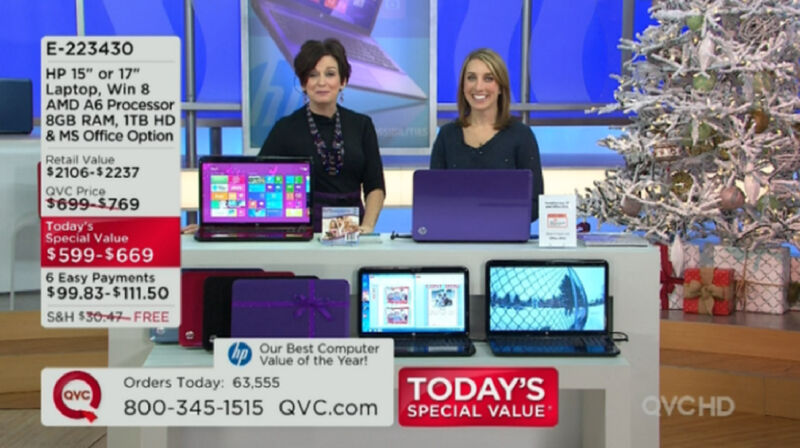
QVC revolutionized modern commerce by turning live television broadcasts into a 24-hour retail powerhouse. Standing for Quality, Value, and Convenience, the network transformed how consumers discover and purchase household goods, beauty items, and electronics from their living rooms. Rather than relying on passive print catalogs, QVC built a model centered on live demonstrations, personality-driven hosting, and real-time customer interaction.
Understanding this retail giant requires looking past the screen to examine how a mid-1980s cable television startup evolved into an omnichannel digital retailer.
The Origins and Rise of QVC
Joseph Segel founded QVC in June 1986 in West Chester, Pennsylvania, entering a televised home shopping market that was still in its infancy. Segel brought experience from founding the Franklin Mint, recognizing that television could create a more visceral, engaging sales pitch than traditional mail-order catalogs.
Strategic partnerships fueled the network's rapid early growth. Comcast founder Ralph Roberts helped secure vital cable television carriage deals by offering cable operators investment stakes in the emerging network. QVC also secured a two-year exclusive agreement to sell Sears merchandise on air, which lent immediate mainstream credibility to the platform.
By blending live demonstrations with unscripted host banter, the network quickly separated itself from silent print ads and sterile department store racks. Viewers weren't just buying a product; they were tuning in for a broadcast experience that felt personal and urgent.
How the QVC Business Model Works
At its core, QVC operates on a high-velocity retail engine. The network controls every step of the process, from vendor sourcing and quality testing to live studio presentation and logistics fulfillment.
- Live Product Theater: Hosts work alongside vendor representatives to demonstrate items in real-time, showing sizing, features, and everyday applications that static images cannot convey.
- Urgency and Scarcity: On-screen inventory counters and limited-time special values create immediate purchasing incentives, driving high-volume sales bursts during short broadcast segments.
- Relational Selling: Hosts build long-term rapport with loyal viewers, functioning more like trusted advisors than traditional salespeople.
This format proved particularly effective for specialized categories like cosmetics, jewelry, and kitchen appliances, where visual proof and expert advice reduce buyer hesitation.
Digital Transformation and Omnichannel Expansion
As consumer habits shifted toward the internet and mobile devices, QVC adapted by expanding beyond traditional cable television. The company launched early e-commerce platforms in the mid-1990s and later optimized its operations for smartphones and tablets.
Today, the parent company, Qurate Retail, integrates television broadcasting with dynamic digital storefronts, streaming apps, and social media engagement. Customers can watch live broadcasts on mobile devices while simultaneously checking out digital-exclusive inventory. This transition protected the brand from the decline of traditional cable subscriptions, keeping it relevant in a crowded digital marketplace.
Common Misconceptions About Television Retail
Many modern consumers assume televised shopping networks rely entirely on impulse buys for low-quality merchandise. In reality, QVC partners with major global brands and independent designers alike, enforcing strict quality control standards.
Another frequent misunderstanding is that home shopping is an outdated medium. While linear television viewership has declined, QVC's total reach remains massive through streaming platforms, digital video clips, and dedicated mobile apps that appeal to a loyal, tech-savvy consumer base.
Frequently Asked Questions
What does QVC stand for?
The name stands for Quality, Value, and Convenience, which were the foundational pillars established by founder Joseph Segel in 1986.
Who owns QVC?
QVC is operated by Qurate Retail, a corporate entity that also manages other retail brands like HSN, Ballard Designs, and Frontgate. You can read more about corporate structures on the Qurate Retail Investor Relations portal.
Can you still watch QVC without cable?
Yes. Alongside traditional cable and satellite broadcasts, QVC is available via free streaming services, dedicated mobile apps, and live digital feeds on platforms like YouTube.
How do hosts prepare for live broadcasts?
Hosts undergo extensive training to understand product specifications, safety regulations, and compliance standards. They frequently test items personally before going on air to ensure accurate demonstrations.


: Complete Survey Guide and Rewards](https://www.simpleeverydaymom.com/wp-content/uploads/2023/10/Pilgrim-Photo-Craft-for-Thanksgiving-image-559x1024.jpg)