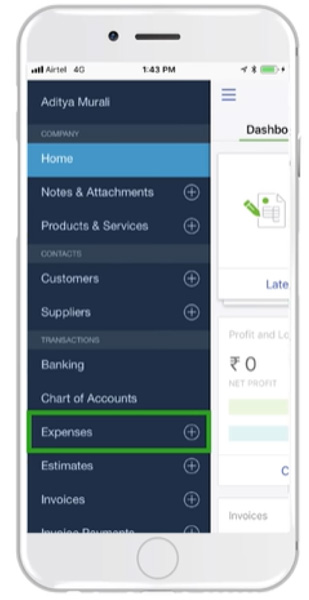
QuickBooks is built for commercial ledgers, inventory tracking, and corporate tax compliance, which makes using QuickBooks for personal finance an awkward mismatch for most households. While you can connect personal bank accounts to track your spending, you'll pay business-tier subscription prices for features like invoice generation, vendor management, and payroll compliance that you'll never use.
If you're trying to manage household budgets, track net worth, or plan for retirement, forcing a commercial double-entry system onto personal money creates unnecessary friction. Let's look at why people consider it, where the platform falls short for individual users, and which tools actually fit personal wealth management.
Why People Try QuickBooks for Personal Finance
The temptation usually starts with freelancers, sole proprietors, or side-hustlers who want to keep personal and business accounts in one ecosystem. It's common to think that using a single platform for everything simplifies your digital life.
Features like bank feeds, automatic transaction categorization, and mobile receipt capture look attractive if you want granular control over your cash flow. If you run a micro-business out of your garage, you might already pay for a QuickBooks Online subscription and wonder if you can route your grocery bills and mortgage payments through it to avoid paying for a separate budgeting app.
Yet, business accounting and personal wealth tracking have fundamentally different goals. Business software focuses on profit, loss, inventory valuation, and deductible expenses. Personal finance software focuses on net worth, long-term savings goals, debt paydown strategies, and cash flow forecasting.
Where QuickBooks Fails Individual Users
Trying to force personal transactions into a commercial ledger exposes several glaring operational mismatches.
Pricing Mismatch
Business software isn't priced for household budgets. While standard budgeting apps cost a few dollars a month or offer robust free tiers, commercial software scales up quickly. You're paying for multi-user access, tax form preparation for contractors, and inventory sync—none of which help you track household grocery spending or vacation funds.
Complex Double-Entry Architecture
QuickBooks relies on strict double-entry bookkeeping. Every transaction requires balancing debits and credits across specific asset, liability, income, and expense charts of accounts. Personal finance rarely requires this level of rigor unless you manage a complex real estate portfolio. Setting up transfers between personal checking and savings accounts as journal entries feels like administrative overkill when you just want to see your monthly savings rate.
Lack of Net Worth and Investment Tracking
Personal wealth isn't just about income minus expenses; it includes assets, liabilities, investments, and retirement accounts. QuickBooks lacks native tools for tracking long-term investment portfolios, asset allocation, or real-time property values. You can't easily monitor your retirement trajectory or portfolio performance within the standard interface.
Core Features Compared: Business vs. Personal Tools
To understand the gap, look at what you get versus what you actually need for household finances.
- Invoicing and Accounts Receivable: Crucial for freelancers, completely useless for tracking your salary or tracking freelance side-income without clients.
- Bank Feeds and Categorization: Both platforms offer this, but personal apps map categories to spending targets and savings rates rather than tax line items.
- Reporting: QuickBooks generates profit and loss statements, balance sheets, and trial balances. Personal finance apps build cash flow curves, net worth history charts, and category spending breakdowns.
- Receipt Scanning: Useful for business write-offs, but overkill for logging personal retail purchases where you don't need audit protection.
Better Alternatives for Personal Money Management
If you don't run an active business, skip commercial accounting suites and choose software built specifically for individual wealth tracking.
For comprehensive budgeting and net worth monitoring, dedicated tools like Quicken provide asset tracking, investment monitoring, and debt reduction planning tailored to individuals. Modern app-based options automate bank syncing and offer clean mobile interfaces for daily expense tracking without the corporate overhead.
If you are a freelancer mixing personal and business funds, the better approach is maintaining strict separation. Use a dedicated business ledger for your commercial operations and transfer a clean owner's draw into a separate personal checking account. Manage your household expenses in a dedicated personal tracker rather than polluting your business books with personal line items.
Common Mistakes When Mixing Personal and Business Accounts
Trying to handle personal finance inside business software often leads to messy accounting habits.
The biggest error is commingling funds—paying for personal groceries out of a business checking account or vice versa. While accounting software allows you to tag these as owner's draws or capital contributions, doing it constantly creates a nightmare at tax time and compromises your corporate veil if you operate as an LLC.
Another mistake is relying on business reports to gauge personal wealth. A profit and loss statement from a business doesn't reflect your true personal financial health, because it excludes personal debt obligations, external assets, and household liabilities.
Frequently Asked Questions
Can I use a free trial of QuickBooks for personal budgeting?
You can technically sign up for a trial, but it's a poor use of your time. The setup process forces you through business-specific onboarding questions about industry types, tax structures, and employee counts that don't apply to household budgeting.
Is QuickBooks secure enough for personal bank data?
Yes, commercial accounting platforms use bank-grade encryption and multi-factor authentication. Security isn't the issue; the mismatch is in the feature set, user experience, and cost structure.
How do I separate business income from personal spending?
Open a dedicated business bank account for all commercial revenue and expenses. Pay yourself a fixed salary or draw by transferring money electronically to your personal checking account, then manage your household budget entirely within personal finance software.
What is the main difference between Quicken and QuickBooks?
Quicken is built from the ground up for personal finance, investment tracking, and household budgeting. QuickBooks is built entirely for small business accounting, invoicing, and corporate compliance.



