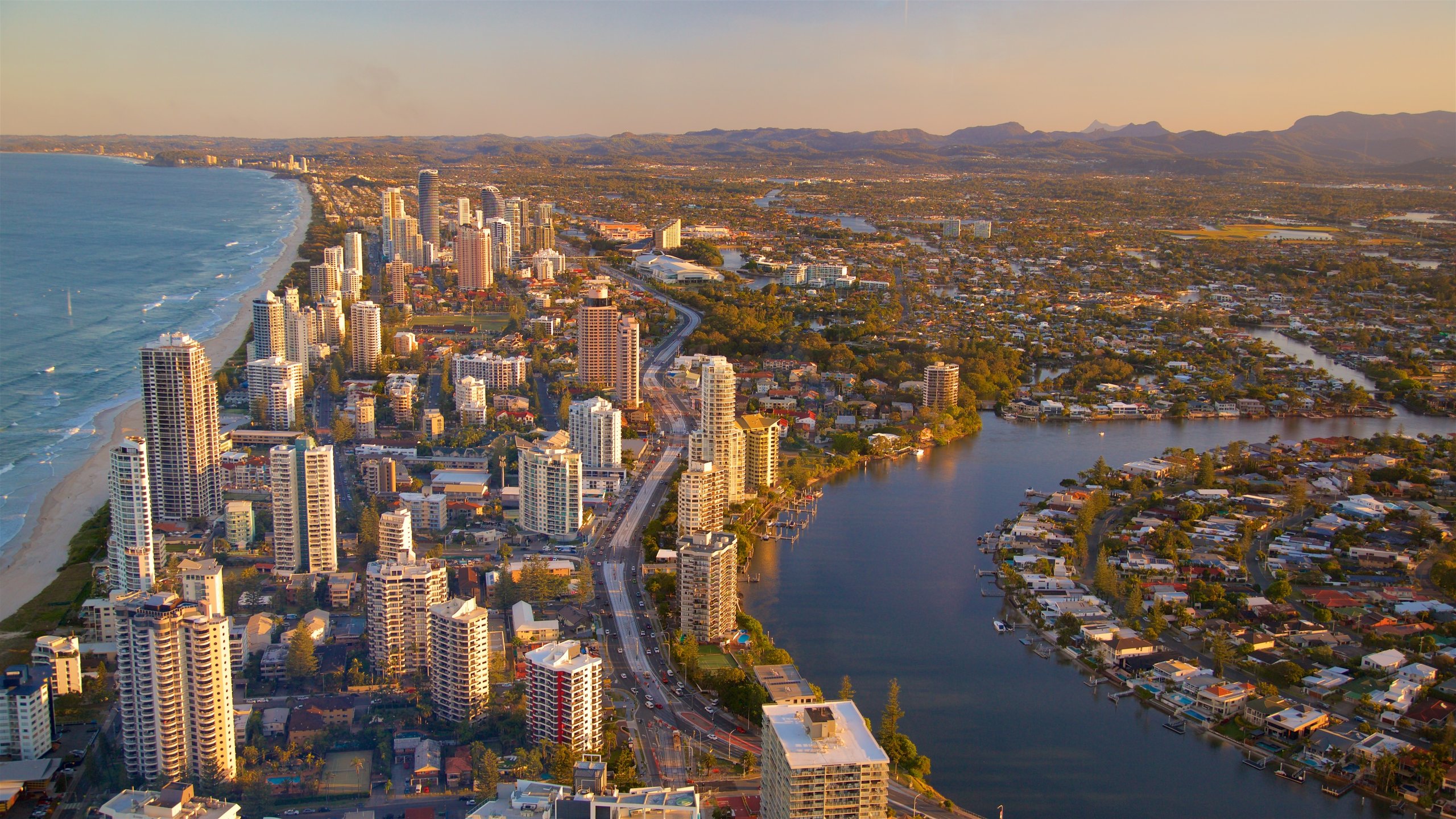
Queensland operates on Australian Eastern Standard Time (AEST) all year, sitting at UTC+10. Unlike southern regions like New South Wales and Victoria, Queensland does not observe daylight saving time, meaning clocks never move forward or backward during the year.
Understanding how Queensland time interacts with the rest of Australia and international time zones avoids missed flights, late business calls, and scheduling errors. This breakdown covers the exact time mechanics, historical context, and domestic time offsets you need to navigate Queensland schedules cleanly.
Understanding Queensland Time Zone Mechanics
Queensland relies entirely on Australian Eastern Standard Time (AEST), which is fixed at Coordinated Universal Time plus ten hours (UTC+10). Because the state government opts out of seasonal clock adjustments, the local time remains constant from January through December.
This stability simplifies local coordination, but it creates shifting time gaps with neighboring regions that push their clocks forward during the southern hemisphere's warmer months. When you check schedules involving Brisbane, Cairns, or the Gold Coast, you can always rely on that steady UTC+10 baseline.
Why Queensland Doesn't Observe Daylight Saving
The debate over daylight saving time in Queensland has persisted for decades, fueled by regional divides and economic arguments. Southeastern corners of the state often favor changing clocks to gain evening daylight, while agricultural and northern communities strongly oppose it.
Hotter northern climates experience long summer days anyway, and residents frequently cite issues like disrupted livestock routines, fading curtains, and difficulty getting children to sleep while daylight lingers past 8:00 PM. Multiple referendums and trials—most notably a major trial in the early 1990s—resulted in regional rejections, solidifying the state's permanent stance on standard time.
Domestic Time Differences Across Australia
Because other eastern states shift to Australian Eastern Daylight Time (AEDT, UTC+11) during the spring and summer months, Queensland's relationship with the rest of the country changes twice a year.
- New South Wales, Victoria, Tasmania, and the ACT: During daylight saving months (typically October to April), these regions sit one hour ahead of Queensland. In winter, when southern clocks fall back, everyone aligns on AEST, and Queensland shares the exact same time as Sydney and Melbourne.
- South Australia: During summer, South Australia moves to ACDT (UTC+10:30), putting them 30 minutes ahead of Queensland. In winter, South Australia sits 30 minutes behind Queensland on ACST (UTC+9:30).
- Northern Territory: The Northern Territory operates on ACST (UTC+9:30) year-round and does not observe daylight saving. Queensland is always 30 minutes ahead of the Northern Territory.
- Western Australia: Western Australia operates on AWST (UTC+8) year-round. Queensland is always two hours ahead of Perth, regardless of the season.
If you are planning interstate logistics, always check whether the Australian Government or transport hubs are referencing standard or daylight time for southern capitals.
International Offsets and Global Coordination
Coordinate global calls or remote work meetings by remembering that Queensland does not participate in seasonal shifts. This means the time gap between Queensland and international locations changes whenever those countries start or end daylight saving time.
For example, when New York observes daylight saving time, the gap between New York (EDT, UTC-4) and Queensland is 14 hours. When New York switches back to standard time (EST, UTC-5), the gap widens to 15 hours. Similarly, London shifts between being 9 hours behind Queensland during British Summer Time and 10 hours behind during Greenwich Mean Time.
Business professionals managing cross-border projects often use the World Clock to verify offsets dynamically rather than relying on static math.
Common Mistakes When Scheduling with Queensland
Miscalculating Australian time zones is a frequent pitfall for international travelers and remote teams.
- Assuming all of Australia shares DST: Many assume that because Sydney and Melbourne jump forward by an hour, Brisbane does too. Booking a flight or a virtual meeting based on this assumption leads to arriving an hour early or late.
- Forgetting internal state borders: Towns near the New South Wales border, such as Tweed Heads, observe daylight saving, while Coolangatta just across the Queensland border does not. Crossing the street can literally change your local clock during summer months.
- Hardcoding calendar apps: Relying on default settings for "Eastern Time in Australia" can cause calendar software to auto-adjust Queensland events incorrectly if the tool mistakes Brisbane for Sydney during summer. Always pin Queensland events to the specific IANA time zone identifier
Australia/Brisbane.
Frequently Asked Questions
Does Queensland ever change its clocks?
No. Queensland stays on Australian Eastern Standard Time (AEST, UTC+10) year-round and does not participate in daylight saving time.
What is the time difference between Sydney and Brisbane in summer?
During daylight saving months (October to April), Sydney is one hour ahead of Brisbane because Sydney moves to UTC+11 while Brisbane stays at UTC+10.
Why did Queensland reject daylight saving?
Referendums and trials showed deep regional division. Northern and rural communities voted against it due to agricultural impacts, heat concerns, and extended evening sunlight disrupting sleep patterns.
How do border towns handle the time difference?
Communities straddling the Queensland and New South Wales border—such as Coolangatta and Tweed Heads—experience a unique phenomenon where neighbors live in different time zones for half the year, requiring businesses to display both times.


