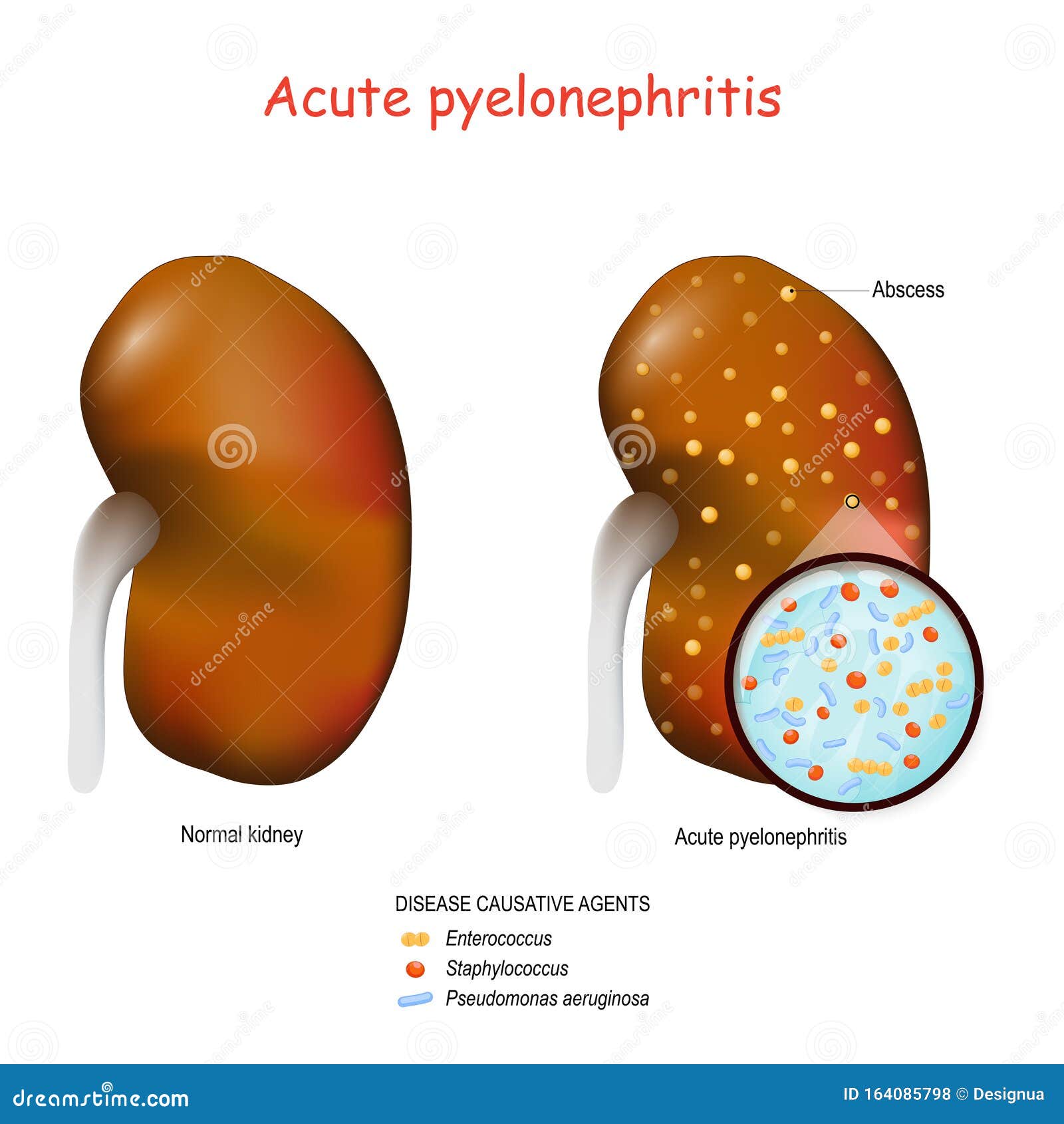
Pyelonephritis recovery timeline dictates that most people start feeling noticeable relief within forty-eight to seventy-two hours of beginning appropriate antibiotics, but full physiological healing takes two to three weeks. Unlike a routine bladder infection, an upper urinary tract infection involves the renal parenchyma, meaning inflammation runs deep and systemic exhaustion lingers long after acute pain subsides.
When bacteria ascend from the bladder into one or both kidneys, the body mounts an aggressive inflammatory response. Fever, severe flank pain, chills, and nausea hit fast and hard. If you've just received a diagnosis, you're likely wondering how long you'll feel washed out and when you can return to normal routines. Let's break down the actual healing process day by day, identify what normal recovery looks like, and look at the warning signs that mean healing has stalled.
The Acute Phase: Days 1 to 3
The first seventy-two hours are all about arresting bacterial multiplication and bringing down systemic inflammation. You've likely started a targeted course of oral antibiotics, or perhaps spent a night or two in hospital receiving intravenous fluids and medication if your infection was severe.
Fever and shaking chills are usually the first severe symptoms to break. Within twenty-four to forty-three hours of the first effective antibiotic dose, your core body temperature should trend downward toward normal. If your fever persists past day three without improvement, it's a clear signal to contact your physician. The bacteria may be resistant to your current prescription, or an underlying obstruction might be trapping fluid.
Flank pain—that deep, dull ache in your lower back or side under the ribs—doesn't vanish overnight. While the sharp, stabbing spikes of pain start to dull during these first three days, a persistent, tender soreness remains. Nausea and vomiting should subside rapidly, allowing you to keep fluids down. If persistent vomiting prevents you from holding down water or your oral medication, you need medical evaluation immediately.
The Subacute Phase: Days 4 to 7
By day four, you should feel like you're moving in the right direction, even if you aren't back to peak energy. The acute storm has passed, but your kidneys are still actively repairing microscopic tissue damage.
Lower urinary symptoms like urinary urgency, frequency, and a burning sensation during urination often linger during this week. These are remnants of bladder irritation that take slightly longer to clear than the renal infection itself.
Fatigue during this phase is profound. Your immune system has run a marathon, and your body requires substantial rest to clear cellular debris and repair damaged nephrons. Trying to rush back to a heavy work schedule or intense physical exercise right now often triggers a rebound wave of exhaustion. Plan for light movement around the house, but prioritize sleep above all else.
The Restoration Phase: Week 2 and Beyond
Entering the second week, most people find that acute flank pain has faded into occasional stiffness or mild tenderness when stretching. Energy levels begin to normalize, though midday tiredness can still catch you off guard.
Your prescription antibiotic course will likely wrap up somewhere between day seven and day fourteen, depending on the specific drug class prescribed—such as fluoroquinolones or trimethoprim-sulfamethoxazole. You must finish every single pill, even if you've felt completely normal since day five. Stopping early leaves the hardiest bacteria alive, risking an immediate relapse that is often harder to treat.
For a deeper look at clinical management protocols, you can review the American Academy of Family Physicians guidelines on acute pyelonephritis.
Factors That Lengthen Recovery
Not everyone heals on a neat two-week timeline. Several compounding health factors can stretch recovery into a month or longer:
- Underlying Anatomical Blockages: Kidney stones, an enlarged prostate, or structural abnormalities can trap infected urine, preventing medications from fully clearing the site. These situations often require urological intervention alongside antibiotics.
- Delayed Treatment Start: Waiting days before seeking care allows inflammation to cause more extensive renal tissue damage, resulting in prolonged scarring and slower convalescence.
- Comorbidities: Conditions like poorly managed diabetes, compromised immune systems, or chronic kidney disease slow down cellular regeneration and increase vulnerability to complications.
- Pregnancy: Pyelonephritis during pregnancy requires inpatient monitoring and intravenous therapy because physiological changes in the urinary tract make these infections uniquely high-risk for both parent and fetus.
Common Recovery Mistakes
Recovery hits unnecessary roadblocks when patients mismanage the post-diagnosis period. Avoid these frequent pitfalls:
- Stopping Antibiotics Early: Feeling better does not mean the infection is eradicated. Stopping medication when symptoms lift breeds resistant bacterial strains.
- Dehydration: Scrimping on water intake slows down the flushing of urinary tracts. You need to keep fluids high to help your kidneys clear metabolic waste.
- Jumping Back Into High-Intensity Workouts: Pushing through lingering fatigue delays cellular recovery. Give your body at least a full week of low activity after finishing antibiotics before returning to strenuous exercise.
- Ignoring a Low-Grade Return of Fever: Thinking a minor temperature bump is "just a cold" can cause you to miss an early relapse.
Frequently Asked Questions
How long does back pain last after pyelonephritis?
Sharp flank pain usually recedes within the first seventy-two hours, but a dull, achy soreness in your back or side can linger for seven to ten days. If the pain intensifies rather than fades, consult your clinician.
Can pyelonephritis resolve without antibiotics?
No. Unlike mild viral infections, acute kidney infections do not clear on their own. Leaving them untreated invites severe systemic complications, including permanent kidney scarring and life-threatening sepsis.
When is a follow-up urine culture necessary?
Clinicians often order a repeat urine culture one to two weeks after you finish your antibiotic course, particularly for recurrent infections, male patients, or pregnant individuals, to confirm the bacteria are completely gone.
Why am I still so exhausted weeks after finishing treatment?
Your kidneys and immune system endured significant physiological stress. Post-viral and post-infection fatigue can persist for two to four weeks as your body completes deep cellular repair and restores baseline energy reserves.
For broader medical definitions and patient perspectives on managing renal health, consult the National Health Service overview on kidney infections.



