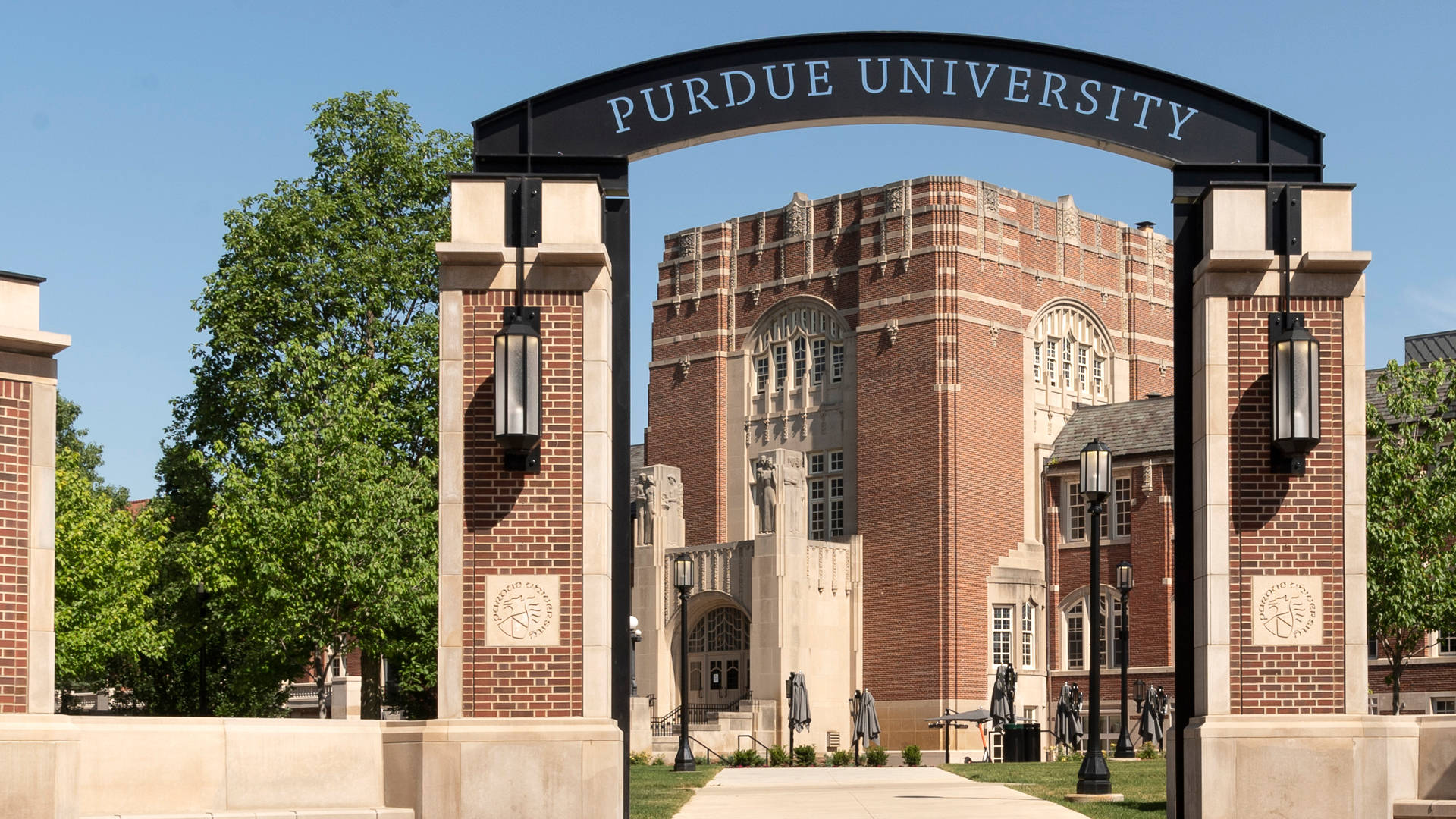
Purdue University's College of Engineering ranks 8th nationally among doctorate-granting undergraduate institutions according to U.S. News & World Report, maintaining a steady position at the forefront of American technical education. If you're evaluating engineering schools, you'll find that Purdue combines massive research output with rigorous, hands-on professional preparation. This breakdown covers what makes their programs distinct, how specific departments rank, and what students actually experience inside West Lafayette laboratories.
Understanding the Purdue Engineering Landscape
The College of Engineering at Purdue operates on a scale that few universities match. Enrolling thousands of undergraduate and graduate students across multiple specialized schools, the institution produces a high volume of working engineers every year.
What sets the program apart isn't just its size, but its structural design. First-year engineering students enter the First-Year Engineering (FYE) program, meaning you don't declare a specific major until your second year. This setup gives you time to explore different disciplines through hands-on design projects, coding labs, and lectures from faculty across departments.
Admissions criteria are competitive. The university looks closely at high school calculus performance, physics coursework, and standardized test scores if submitted. Once admitted, you face a transparent GPA threshold to transition into your preferred engineering major during your second semester.
Top-Ranked Undergraduate Specialties
Purdue's overall ranking is backed by specific departmental strengths that consistently place in national top ten lists.
Agricultural and Biological Engineering
Ranked No. 2 nationally for undergraduate programs, this department tackles sustainable food systems, renewable energy, and biological sensors. You work with advanced agricultural machinery and cellular biology tools, bridging mechanical design with environmental stewardship.
Industrial Engineering
Also sitting at No. 2, Purdue's industrial engineering program focuses on operational efficiency, supply chain optimization, and human factors in manufacturing. The curriculum combines heavy data analysis with practical plant floor management simulations.
Aeronautical and Astronautical Engineering
Ranking No. 3 nationally, the aerospace program benefits from deep historical ties to space exploration—having graduated dozens of astronauts, including Neil Armstrong and Gus Grissom. Facilities feature high-speed wind tunnels and propulsion laboratories where undergraduates assist faculty with actual aerospace testing.
Civil and Mechanical Engineering
Both disciplines hold strong spots in the top tier, with civil engineering at No. 4 and mechanical engineering at No. 4. These large departments offer extensive elective tracks, allowing you to specialize in robotics, thermal sciences, structural engineering, or smart infrastructure.
Graduate Programs and Research Infrastructure
Beyond undergraduate studies, Purdue's graduate engineering division ranks No. 4 nationally, supported by massive funding from federal agencies and corporate partners. Research expenditures exceed hundreds of millions annually, driving innovation in areas like hypersonics, microelectronics, and autonomous vehicles.
Key research centers on campus include:
- Maurice J. Zucrow Laboratories: The largest university propulsion laboratory in the world, dedicated to jet and rocket engine research.
- Birck Nanotechnology Center: A 186,000-square-foot facility housing a ISO Class 3 cleanroom for semiconductor and nano-device fabrication.
- Hypersonics Research Facility: Specialized wind tunnels testing vehicles moving at Mach 5 and above.
Graduate students collaborate directly with industry giants like Rolls-Royce, Cummins, and Raytheon, often securing full-time employment or advanced research positions before graduation.
Practical Experience: Co-ops and Internships
A major factor behind Purdue's reputation for excellence is the Professional Practice Programs, which include traditional cooperative education (co-op) tracks and structured internships.
Unlike a standard summer internship, a co-op program has you alternate semesters of classroom study with multi-term work assignments at the same company. By the time you graduate, you can accumulate up to twenty-two months of paid, hands-on engineering experience. Employers value this background because you enter the workforce with practical troubleshooting skills rather than just theoretical knowledge.
Admissions and Enrollment Strategy
Getting into Purdue Engineering requires careful preparation. Because the curriculum is heavy on calculus and fundamental physics, your high school transcript needs to demonstrate mastery in advanced math courses.
If you're planning to apply, focus on these practical steps:
- Master Advanced Math: Complete AP Calculus AB or BC (or equivalent dual-enrollment courses) with strong grades.
- Build a Technical Portfolio: Participate in FIRST Robotics, coding clubs, or independent maker projects to show genuine curiosity.
- Understand the FYE Gateway: Keep your first-year GPA high. Securing your choice of major depends on meeting specific course grade requirements during your initial two semesters.
For official updates on admissions standards and portfolio requirements, check the Purdue University Admissions Portal.
Frequently Asked Questions
Can I switch my engineering major easily after enrolling?
Because everyone enters through the First-Year Engineering program, your actual major isn't locked in until the end of your first year. Switching between engineering disciplines depends on your GPA and meeting prerequisite course requirements, though popular majors like mechanical or computer engineering have strict grade thresholds.
Does Purdue require standardized tests for engineering applicants?
Purdue requires SAT or ACT scores for undergraduate admissions. Competitive applicants typically score in the upper percentiles for math, reflecting the quantitative demands of the engineering curriculum.
What is the average starting salary for Purdue engineering graduates?
While starting salaries vary by specific discipline—with computer, electrical, and mechanical engineering often seeing higher averages—the overall median starting salary for Purdue engineering graduates generally hovers around seventy-five to eighty thousand dollars annually, driven by heavy recruitment from major tech, manufacturing, and defense firms.
How large are engineering classes at Purdue?
Introductory lecture courses during your first and second years can range from one hundred to three hundred students. However, specialized upper-level courses and laboratory sections scale down significantly, often capping at twenty to thirty students for hands-on project work.



