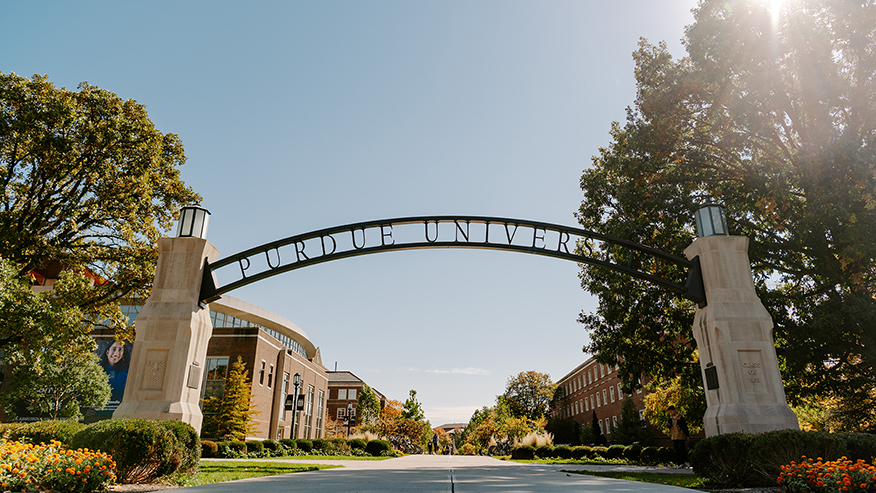
Navigating higher education pay structures isn't easy, especially at major public research institutions. If you're trying to figure out what educators make at Purdue University, you'll find that figures vary widely based on academic rank, department, and contract type. We'll break down the numbers, structures, and realities behind faculty compensation on the West Lafayette campus.
Faculty compensation at Purdue generally ranges from an average of roughly $57,000 for instructors to over $170,000 for full professors, with an overall average faculty salary hovering near $130,500. These numbers reflect a combination of state reporting, public university transparency laws, and varying appointment lengths. Let's look closer at how this money breaks down across different levels and fields.
Understanding the Faculty Ranks and Base Pay
Academic pay scales rely heavily on rank. When you look at public payroll databases like GovSalaries Purdue University Listings, clear tiers emerge.
- Full Professors: The average salary for a full professor sits at approximately $170,959. These are senior scholars with extensive research records, major grants, and long tenures.
- Associate Professors: Typically tenured mid-career faculty members earn an average of $124,410.
- Assistant Professors: Tenure-track faculty members starting their journey generally pull in an average of $111,314.
- Lecturers and Instructors: Non-tenure track teaching staff see lower averages, with lecturers earning around $70,373 and instructors averaging $57,375.
Contract lengths also change the math. While most faculty operate on 9-month academic year appointments—giving them the freedom to secure summer research grants or consulting income—certain clinical or applied tracks involve 12-month commitments with adjusted base rates.
Departmental Disparities: STEM vs. Humanities
Not all disciplines pay the same. Market forces heavily influence academic compensation. Engineering, computer science, and business school faculty command higher packages because private sector alternatives pay lucrative wages.
For example, an assistant professor in a high-demand technical field often starts significantly higher than a peer in the humanities or liberal arts. Colleges like the Purdue College of Engineering have to compete globally for top talent, driving base salaries and startup packages up. Conversely, departments with lower external funding or less aggressive corporate competition tend to lag behind the institutional average.
Beyond Base Salary: Benefits and Additional Income
Base pay only tells part of the story. Total compensation packages at public universities include substantial benefits that add value to an educator's position.
- Retirement Contributions: Purdue offers competitive employer-matched retirement plans through major financial providers.
- Healthcare and Insurance: Comprehensive medical, dental, and vision packages cover individuals and families, subsidized heavily by the institution.
- Summer Pay and Overload: Nine-month faculty members frequently supplement their income by securing up to two or three months of additional salary through summer research grants, external corporate contracts, or teaching summer courses.
Common Mistakes When Analyzing University Pay
People often misinterpret public salary disclosures. If you're looking at raw database numbers, keep a few pitfalls in mind.
- Ignoring Appointment Length: Comparing a 9-month salary directly to a 12-month administrative or clinical salary creates a false equivalence.
- Overlooking External Funding: Some professors bring in millions in research grants that fund portions of their academic year or summer salaries.
- Confusing Total Compensation with Take-Home Pay: Benefits, taxes, and mandatory deductions mean net pay differs substantially from the gross figures published in state databases.
Frequently Asked Questions
Are Purdue faculty salaries public record?
Yes. Because Purdue is a public land-grant university, state transparency laws require the institution to make employee compensation data accessible to the public.
Do faculty members get annual raises?
Raises depend on state appropriations, institutional budget constraints, and performance evaluations. In recent years, average faculty salary increases have tracked between 2% and 5% annually, though individual merit increases vary wildly.
How do Purdue salaries compare to other Big Ten schools?
Purdue generally tracks close to peer institutions within the Big Ten and major R1 research universities, though certain high-cost coastal or heavily funded Midwestern flagships may edge ahead in select disciplines.
What is the highest-paid position at the university?
Aside from top-tier football and basketball coaches—whose multi-million dollar contracts dwarf academic pay—administrative leaders and select chaired professors in specialized medical or engineering fields hold the highest compensation spots.



