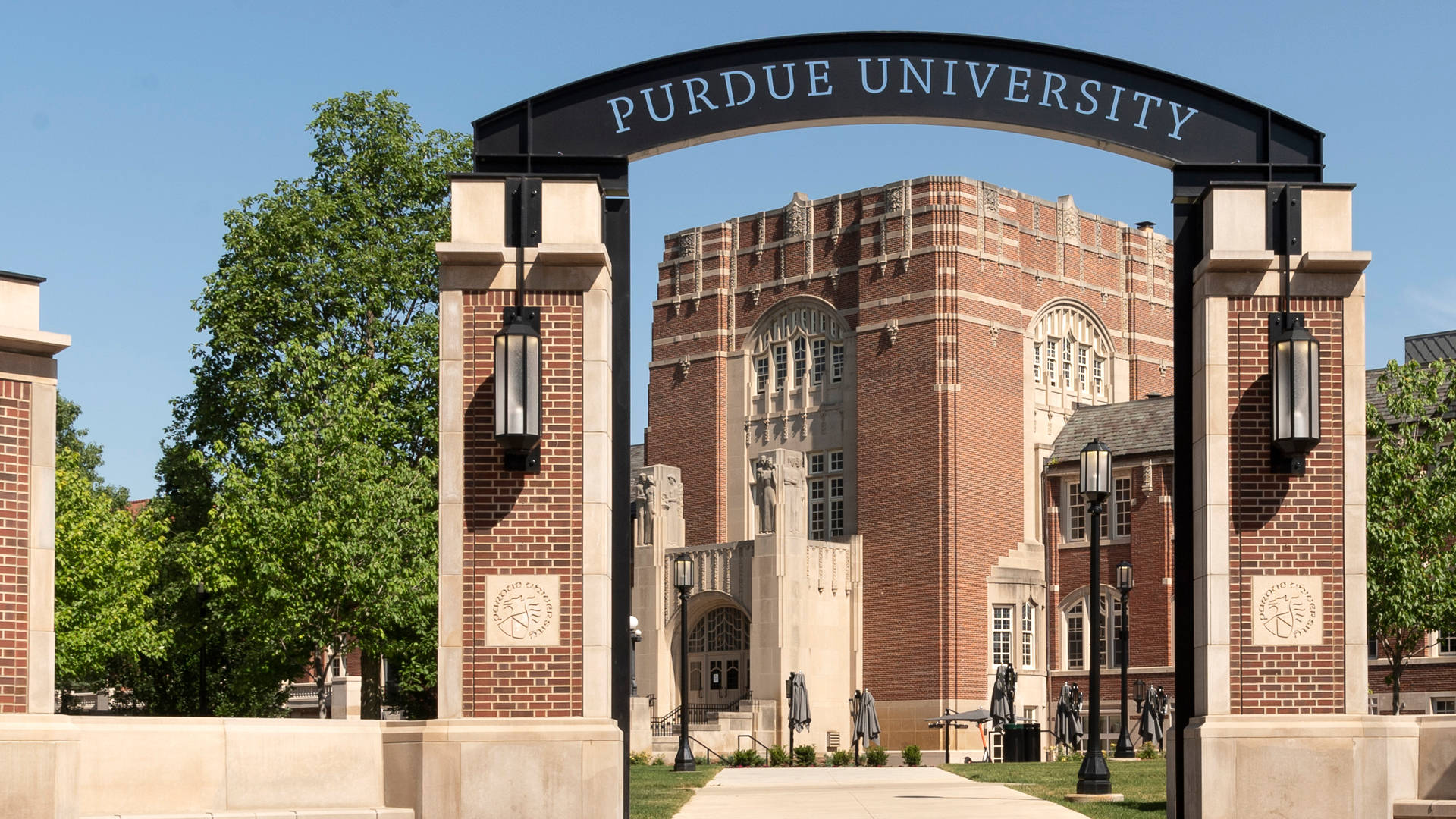
Purdue University’s College of Engineering holds a spot in the national top ten for undergraduate and graduate programs, sitting at number 8 in recent national standings. Yet prospective students often wonder if this prestige translates to real career value or if it's just marketing noise. Tuition costs, brutal weed-out classes, and heavy workloads make applicants question whether the reputation matches reality.
The short answer is yes, the reputation holds up. Purdue engineering delivers strong post-graduation starting salaries, deep corporate recruiting pipelines, and high return on investment, particularly for in-state or flat-rate tuition payers. But the prestige comes with grueling academic pressure and large class sizes that don't suit every learning style. Let's break down what backs up the numbers and where the hype falls short.
Understanding the Purdue Engineering Ranking System
College rankings often rely on a mix of peer assessments, faculty resources, and research expenditures. Purdue scores consistently well across these metrics because its research engine produces hundreds of millions of dollars in annual funding.
Where Purdue Excels
- Specialized Programs: Disciplines like Aeronautical and Astronautical Engineering, Mechanical Engineering, and Industrial Engineering regularly sit near the top five nationally.
- Employer Reputation: Corporate recruiters and engineering firms rank Purdue graduates high on their hiring lists because they arrive with hands-on project experience.
- Research Output: Undergraduates get access to major labs, wind tunnels, and autonomous vehicle facilities that smaller colleges can't match.
Where the Rankings Miss the Mark
Rankings rarely capture the day-to-day student experience. A top-10 spot doesn't mean your freshman chemistry professor will know your name. Many introductory engineering lecture halls seat over three hundred students. Teaching assistants handle a lot of the grading and recitation sessions, which can leave undergraduates feeling like a number rather than a scholar.
Financial Reality: Tuition, Debt, and Return on Investment
A high ranking loses its appeal if you graduate buried in six-figure debt. Purdue has famously frozen its base tuition for well over a decade, keeping tuition and fees flat at roughly $9,992 per year for Indiana residents and around $28,794 for out-of-state students.
When you factor in living expenses, books, and fees, the total cost varies. In-state students escape with one of the best financial deals in American higher education. Out-of-state students face a steeper climb, though it's still lower than private peer institutions like MIT or Stanford.
+---------------------------+-----------------------------------+-----------------------------------+
| Expense Category          | In-State Estimate (Annual)        | Out-of-State Estimate (Annual)    |
+---------------------------+-----------------------------------+-----------------------------------+
| Tuition & Fees            | ~$10,000                          | ~$29,000                          |
| Housing & Food            | ~$10,500                          | ~$10,500                          |
| Books & Supplies          | ~$1,200                           | ~$1,200                           |
+---------------------------+-----------------------------------+-----------------------------------+
Median starting salaries for Purdue engineering bachelor's graduates hover between $72,000 and $80,000, depending on the specific major. Computer engineering and mechanical engineering majors often skew toward the higher end of that range. Given the flat tuition model, the financial payback period is short. Most in-state graduates recover their total four-year educational investment within two years of entering the workforce.
The Engineering Education Experience: Rigor vs. Burnout
Getting into Purdue's First-Year Engineering program is only the opening hurdle. The real test begins with the First-Year Engineering (FYE) requirement. You don't automatically secure your preferred major (like aerospace or mechanical) on day one. You have to maintain a competitive GPA during your first year to transition into your target branch through the competitive Engineering Admissions process.
This setup creates intense peer competition. Students spend long nights in the Neil Armstrong Hall of Engineering or local libraries tackling demanding problem sets.
- The Curve: Many core engineering and math classes use harsh grading curves. Earning a C in calculus or physics can derail your major selection.
- Collaboration Culture: Despite the pressure, students often form tight study groups. The sheer volume of collaborative group projects helps build strong problem-solving networks.
- Co-op and Internship Pipeline: The Purdue Office of Professional Practice runs massive career fairs where global corporations recruit heavily. This corporate pipeline is where the university truly separates itself from lower-ranked schools.
Common Mistakes Students Make When Evaluating Purdue
Applicants often look at the shiny national rank and assume everything else falls into place automatically. Avoid these frequent missteps:
- Ignoring the FYE Bottleneck: Assuming admission to Purdue means you are guaranteed a spot in your dream engineering sub-major. You have to earn your placement during freshman year.
- Underestimating the Weather and Scale: Moving to West Lafayette, Indiana means adjusting to harsh winters and a massive campus community where you must advocate for yourself to secure research positions or advising help.
- Overlooking Out-of-State Total Costs: While base tuition is frozen, housing, meal plans, and out-of-state surcharges still add up. Calculate your net price carefully using official Purdue financial aid tools rather than relying on generalized averages.
Frequently Asked Questions
Is Purdue engineering harder than other top schools?
The coursework matches the difficulty found at any rigorous tier-one research institution. The weed-out structure of the first-year program makes the initial transition especially stressful. Once you clear sophomore year, the workload remains heavy, but the peer community stabilizes.
Do employers actually care about the Purdue ranking?
Yes. Major aerospace defense contractors, automotive giants, tech heavyweights, and energy firms actively recruit on campus. Brand recognition carries significant weight during resume screens, especially for entry-level roles where recruiters look for trusted institutional filters.
Can out-of-state students justify the cost?
If you pay full out-of-state sticker price without scholarships, the financial math requires a closer look compared to strong public options in your home state. However, the robust starting salaries and career placement rates still make it a strong value relative to private universities charging double the price.
What is the average GPA needed to get into competitive engineering majors?
To secure high-demand majors like mechanical or aerospace engineering during the First-Year Engineering transition, students generally aim for a cumulative GPA of 3.4 or higher, though exact thresholds shift slightly each semester based on departmental capacity.



