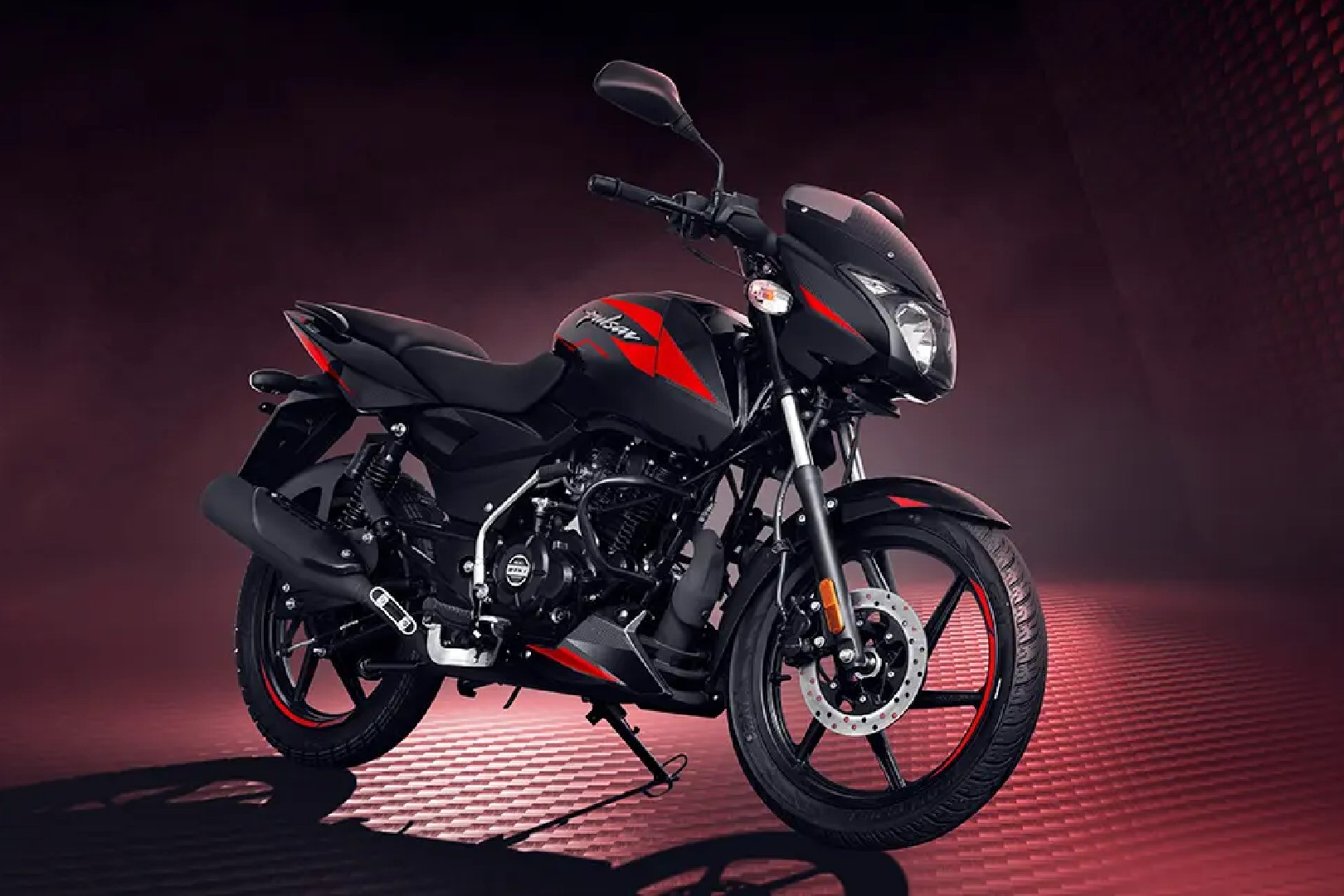
The Pulsar 200 NS changed the entry-level performance landscape by bringing aggressive naked styling and a liquid-cooled engine to everyday riders. It bridges the gap between commuter motorcycles and expensive track machines, offering sharp handling and strong mid-range power. If you're looking for a budget-friendly 200cc motorcycle that balances daily usability with weekend thrills, this machine deserves a close look.
Beneath its muscular fuel tank lies a 199.5cc single-cylinder, liquid-cooled, triple-spark engine pushing out roughly 24.5 PS of power. It delivers an aggressive powerband that rewards riders who don't shy away from revs. While it faces stiff competition in modern markets, its mechanical layout and aggressive stance have secured its reputation as a streetfighter staple.
Engine Performance and Real-World Power
The heart of the Pulsar 200 NS is its advanced triple-spark, four-valve power plant. Pumping out 18.74 Nm of torque, the engine feels eager once it crosses the 5,000 RPM threshold. Below that mark, low-end pull is manageable for city traffic, but you'll need to drop a gear or two when executing rapid overtaking maneuvers.
- Power Output: ~24.5 PS at 9,750 RPM
- Torque: 18.74 Nm at 8,000 RPM
- Transmission: 6-speed manual gearbox with a crisp throw
The six-speed transmission allows for comfortable highway cruising without screaming the engine into high-frequency vibrations. However, riders frequently note that sustained speeds above 100 km/h introduce noticeable handlebar and footpeg buzz, which can cause fatigue on cross-country road trips.
Handling, Chassis, and Ride Quality
Built around a perimeter frame, the Pulsar 200 NS offers exceptional stability through fast corners and twisty mountain roads. This rigid frame construction gives riders immense confidence when leaning into turns, outperforming many traditional commuter-based frames in its class.
Suspension duties are handled by conventional telescopic front forks (or upside-down forks on newer iterations) and a nitrox mono-shock absorber at the rear. The setup leans toward the firmer side. While this improves high-speed cornering stability, it means sharp potholes and broken urban pavement transfer directly to your lower back.
Braking is managed by single or dual-channel ABS setups paired with petal discs, providing progressive stopping power. Weight distribution sits at roughly 150 to 160 kg depending on the exact production year, making the bike feel planted without sacrificing agility in dense traffic.
Fuel Economy and Real-World Mileage
Performance-oriented engines usually demand a penalty at the fuel pump, but the Pulsar 200 NS manages efficiency reasonably well.
- City Commuting: Expect between 35 to 38 km/l under normal urban conditions with moderate traffic.
- Highway Cruising: Steady throttle work on open roads can stretch efficiency past 40 to 42 km/l.
- Aggressive Riding: Track days or heavy throttle pinning drops mileage down toward 32 km/l.
To protect your fuel economy, avoid frequent short-shifting and keep the air filter clean. Because it relies on liquid cooling, ignoring coolant levels or running low-grade fuel will quickly degrade engine performance and tank your fuel efficiency. You can read more about maintaining high-performance motorcycle engines through official brand insights at Bajaj Auto.
Common Ownership Challenges
Every motorcycle has quirks, and long-term owners of the Pulsar 200 NS frequently point out a few recurring problem areas:
- High-RPM Vibrations: Footpegs and handlebars tend to buzz heavily once the tachometer crosses 6,000 RPM.
- Stiff Rear Suspension: Lighter riders often find the rear mono-shock too harsh over sharp speed breakers.
- Chain Maintenance: The exposed chain setup requires regular cleaning and lubrication every 500 kilometers to prevent premature sprocket wear and annoying chain slap.
- Wet Grip Limitations: Factory-fitted tires on older batches struggled with wet-weather traction, prompting many owners to upgrade to stickier aftermarket rubber.
Frequently Asked Questions
What is the top speed of the Pulsar 200 NS?
The bike achieves a genuine top speed of approximately 125 to 130 km/h, depending on rider weight, wind direction, and road conditions.
Is the Pulsar 200 NS good for long-distance touring?
Yes, its upright riding posture and perimeter frame make it capable on long tours. However, you should factor in regular stops to combat the high-frequency engine vibrations and firm seat padding.
Does it feature liquid cooling?
Yes, it features an advanced liquid-cooling system with a radiator, which helps maintain stable operating temperatures during heavy stop-and-go city traffic.
How often should the engine oil be changed?
For optimal performance and minimal vibration, change the engine oil every 3,000 to 5,000 kilometers, using recommended semi-synthetic or fully synthetic grades.



