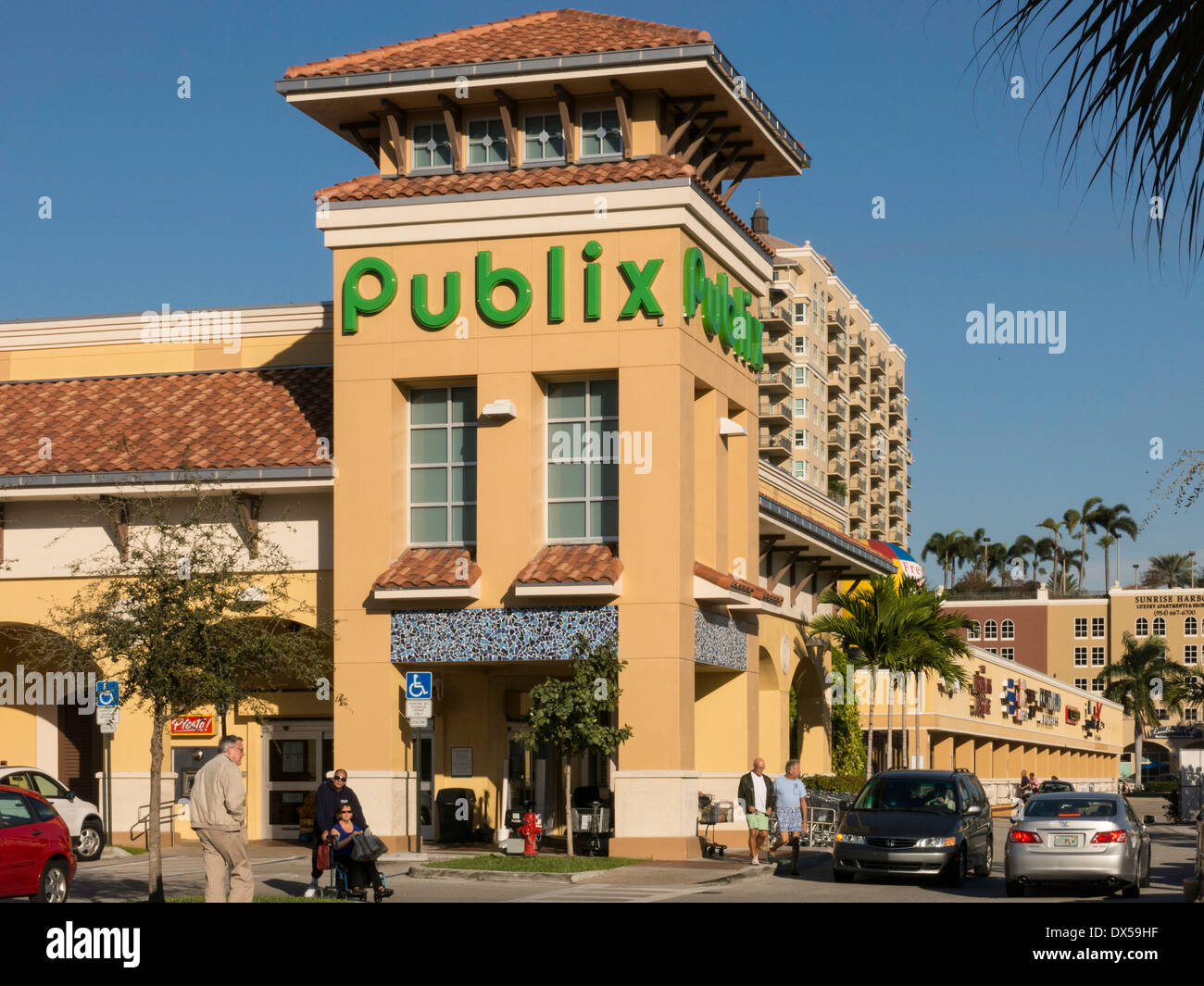
When you walk into the Publix Super Market at Watercolor Crossings, you're stepping into a retail engine designed to anchor a growing suburban neighborhood. It isn't just a place to grab milk and eggs on a Tuesday evening; it's a carefully calibrated ecosystem balancing high-volume foot traffic, specialized customer service, and local economic integration.
Grocery stores in master-planned communities carry a heavy burden. They have to serve as the default pantry for busy families, a local employer, and a reliable neighborhood hub. This analysis breaks down how the Watercolor Crossings location operates, where its strengths lie, and what makes it tick beneath the surface.
Store Layout and Shopping Flow
Store design dictates how long you spend in an aisle and how much friction you experience during a weekly trip. The layout at Watercolor Crossings follows a tested supermarket architecture designed to keep cart traffic moving smoothly.
Wide main aisles handle peak weekend rushes without forcing shoppers into frustrating bottlenecks. You won't find narrow passages near the bakery or deli counters, which traditionally cause major logjams in older supermarket formats.
- Perimeter Freshness: Produce, meat, seafood, and dairy line the outer walls, allowing quick trips for shoppers who only need fresh ingredients.
- Core Center Aisles: Dry goods, snacks, and household staples occupy the middle zones, organized with clear overhead signage.
- Checkout Integration: Traditional lanes and self-checkout kiosks share a unified front-end zone, preventing queue spillover into the main grocery paths.
This spatial strategy reduces backtracking. You can enter, grab your perishables, circle the perimeter or dip into the center aisles for pantry staples, and exit without crossing your own path.
Department Deep Dive
A supermarket lives or dies by the quality of its fresh departments. Shoppers can buy boxed cereal anywhere, but they choose a specific store for its meat counter and bakery.
The produce section relies on daily restocking cycles. Staff pull bruised or aging items every morning, a practice that keeps display tables looking vibrant. You'll find a solid mix of conventional produce alongside regional organic options sourced through southeastern distribution networks.
Over at the meat and seafood counters, personnel handle custom cuts without hesitation. If you need a specific thickness for a steak or want your fish filleted on the spot, you don't get turned away. That level of active service separates traditional supermarkets from warehouse clubs or deep-discount grocery boxes.
The bakery and deli departments drive some of the highest margin traffic in the building. Digital ordering kiosks let you skip the line for custom sub sandwiches or party platters, a feature that office workers and parents lean on heavily during peak lunch and dinner hours.
Technology and Modern Convenience
Grocery retail has shifted heavily toward hybrid shopping models. You can't survive today with just cash registers and paper weekly ads.
The Publix mobile app acts as the central hub for digital engagement at this location. Shoppers use it to clip digital coupons, build aisle-sorted shopping lists, and track loyalty rewards. Scanning items as you walk through the aisles isn't universally adopted here yet, but the infrastructure supports rapid price-checking and digital payment integration.
Self-checkout kiosks handle the overflow during rush hours. While some shoppers prefer traditional lanes with cashiers, the self-service stations move single-basket shoppers through the exit in under two minutes.
- Digital Deli Ordering: Place orders via phone or app to cut down wait times.
- Pharmacy Management: Refill prescriptions and consult with techs through dedicated digital portals.
- Contactless Pay: Tap-to-pay terminals at every register speed up transaction times.
Local Economic Impact and Employment
A major supermarket acts as a financial anchor for its immediate district. Watercolor Crossings benefits from the steady job creation and secondary foot traffic this store generates.
The store employs anywhere from 100 to 150 associates across various departments, ranging from part-time cashiers to full-time meat cutters and pharmacy technicians. For students and local residents, these roles offer flexible scheduling and structured advancement tracks into department management.
Secondary economic effects ripple outward. Nearby coffee shops, dry cleaners, and retail storefronts in the same commercial plaza capture spillover traffic from shoppers who combine errands into a single trip. When the grocery anchor draws consistent crowds, the entire retail strip wins.
Supply Chain Realities and Inventory Management
Running a high-volume grocery store means wrestling with supply chain volatility on a weekly basis. Management at Watercolor Crossings deals with fluctuating deliveries, regional produce shortages, and shifting consumer demands.
Corporate distribution centers handle the heavy lifting, but local inventory managers have to forecast demand accurately. If local weather events threaten southeastern trucking routes, shelves adapt quickly. You'll see temporary shifts in brand availability, particularly in specialty items or organic lines, but core staples rarely run dry for long.
Adapting to dietary trends requires constant floor adjustments. Gluten-free, plant-based, and sustainably packaged goods occupy more shelf space now than they did five years ago, reflecting a customer base that values nutritional variety.
Frequently Asked Questions
What are the standard operating hours for this location?
The store typically operates daily from early morning until late evening, usually opening at 7:00 AM and closing at 10:00 PM. Holiday hours may vary, so checking the official Publix Store Locator before heading out is always a smart move.
Does this location offer pharmacy services?
Yes, a full-service pharmacy operates inside the store, offering immunizations, prescription refills, and health consultations. You can drop off prescriptions while you shop and pick them up on your way out.
Can I order custom platters or cakes ahead of time?
You can order custom cakes, deli platters, and catered meals online through the Publix website or app, or directly at the respective counters with at least 24 hours notice for most specialty items.
How does the store handle local community support?
The store participates in corporate-backed regional food bank drives, local school supply partnerships, and seasonal fundraising campaigns that allow shoppers to donate directly at the register.



: Complete Survey Guide and Rewards](https://www.simpleeverydaymom.com/wp-content/uploads/2023/10/Pilgrim-Photo-Craft-for-Thanksgiving-image-559x1024.jpg)