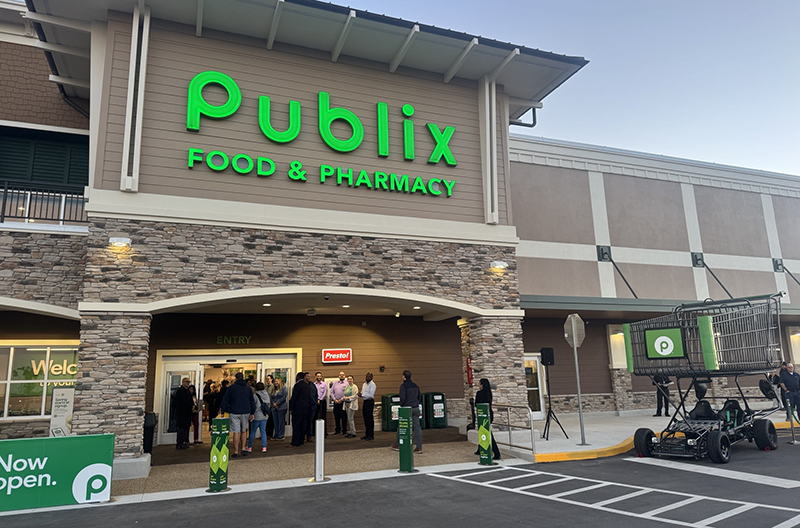
Navigating supermarket sales requires more than just tossing items into a cart. When grocery prices climb, understanding how weekly promotions operate can slash hundreds of dollars off your annual food budget. At Publix, buy-one-get-one-free sales form the cornerstone of smart shopping, yet many shoppers miss out on maximum savings due to misunderstood store policies, regional variations, and poor timing. Mastering these weekly discounts means learning how items ring up at the register, combining store and manufacturer offers, and planning your cart around the weekly circular cycle.
This guide breaks down the mechanics behind Publix BOGO promotions, details how state lines change your checkout math, and outlines actionable strategies to turn standard grocery runs into high-value hauls.
Understanding How Publix BOGO Sales Actually Work
Every week, Publix releases its circular featuring dozens of buy-one-get-one-free items. These promotions span across pantry staples, cleaning supplies, snacks, and fresh meats. However, the exact way these items scan at the register surprises many first-time shoppers.
In most Florida stores, Publix operates under a "true BOGO" structure. This means that if an item is listed as buy one, get one free, you generally must purchase two items to receive the discount, and each item registers as a separate purchase. If you buy only one item in a true BOGO state, it often rings up at its full regular retail price.
Conversely, in many Publix locations outside of Florida—such as Georgia, North Carolina, South Carolina, Tennessee, Alabama, and Virginia—register systems are programmed differently. In these states, buying a single BOGO item usually cuts the price in half, allowing you to purchase just one unit and still receive the 50% discount. Checking your local store ad or asking customer service clarifies which regional rule applies to your nearest location.
Furthermore, multi-item promotions like "2 for $5" work differently than BOGO deals. If an item is listed at two for five dollars, you don't always need to buy two. In most locations, buying a single unit still gives you the proportionate half-price or item-specific sale price (e.g., $2.50 for one), unless the ad explicitly states "must buy two" or similar mandatory phrasing.
The Hidden Power of Combining Coupons with BOGOs
The real secret to unlocking massive savings at Publix is stacking manufacturer and store coupons onto items that are already discounted through weekly sales. Publix maintains a clear coupon policy that allows shoppers to pair one manufacturer coupon and one store coupon (either a Publix store coupon or an accepted local competitor coupon) on a single item.
Because a BOGO promotion treats each participating item as a separate purchase, you can often apply a coupon to both the qualifying item and the "free" item. For example, if a cereal brand is buy-one-get-one-free and you possess two individual manufacturer coupons for that brand, you can hand both coupons to the cashier.
To maximize this strategy, follow these key guidelines:
- Check the Publix Weekly Ad online or via the official app before heading out to match digital coupons with current sales.
- Pay attention to coupon limitations. Publix limits coupon redemptions to eight of the same coupon per day, per household.
- Ensure manufacturer digital offers are never combined with manufacturer paper coupons for the exact same physical item.
- Remember that percent-off-total-order or percent-off-item coupons are not accepted under standard store policy.
Stocking Up Wisely: Inventory and Expiration Management
BOGO deals tempt shoppers into buying excessive quantities of perishable goods or pantry items that expire before use. To avoid wasting money on food you'll throw away, treat weekly sales as an inventory replenishment system rather than a hoarding opportunity.
Dry goods, canned goods, paper products, and toiletries make ideal BOGO targets because their shelf lives span years. Fresh meat and poultry also work well for BOGO savings, provided you have adequate freezer space and wrap the items securely to prevent freezer burn. When pantry items hit their lowest cycle price every six to eight weeks, buy just enough to bridge the gap until the next promotion cycle.
Avoiding Common Checkout Mistakes
Small miscalculations at the register can quickly erase your grocery savings. Keeping a few operational rules in mind protects your budget during checkout:
Double-check your receipt before leaving the store property. The Publix Promise guarantees that if the scanned price of a non-alcohol or non-tobacco item exceeds its shelf price or advertised price, you receive the first item free and pay the lower price for any additional identical items.
Watch out for regional brand variations. Sometimes a name-brand product is on BOGO, but a similar store-brand or alternate size is sitting directly next to it on the shelf. Grabbing the wrong size or variety means the item rings up at full price. Always scan barcodes using the Publix mobile app while shopping to verify sale eligibility instantly.
Frequently Asked Questions
Do I have to buy two items to get a BOGO deal?
It depends on your store's location. In Florida, you must purchase both items to get the free item. In most other states where Publix operates, buying a single BOGO item automatically rings it up at half price.
Can I use a coupon on a free BOGO item?
Yes. Because Publix treats each item in a buy-one-get-one-free promotion as a separate purchase, you can apply a manufacturer or store coupon to both the paid item and the free item, subject to standard coupon limits.
What happens if a BOGO item is out of stock?
If a sale item is out of stock, you can ask customer service for a rain check. Publix rain checks allow you to purchase the item at the sale price once it is restocked, though rain checks are subject to specific quantity limits and expiration dates.
How can I find local competitor coupons that Publix accepts?
Publix maintains an updated list of accepted local competitors at each individual store location. You can view or request this list at the customer service desk to see which nearby grocer's circulars match up with your shopping trip.



