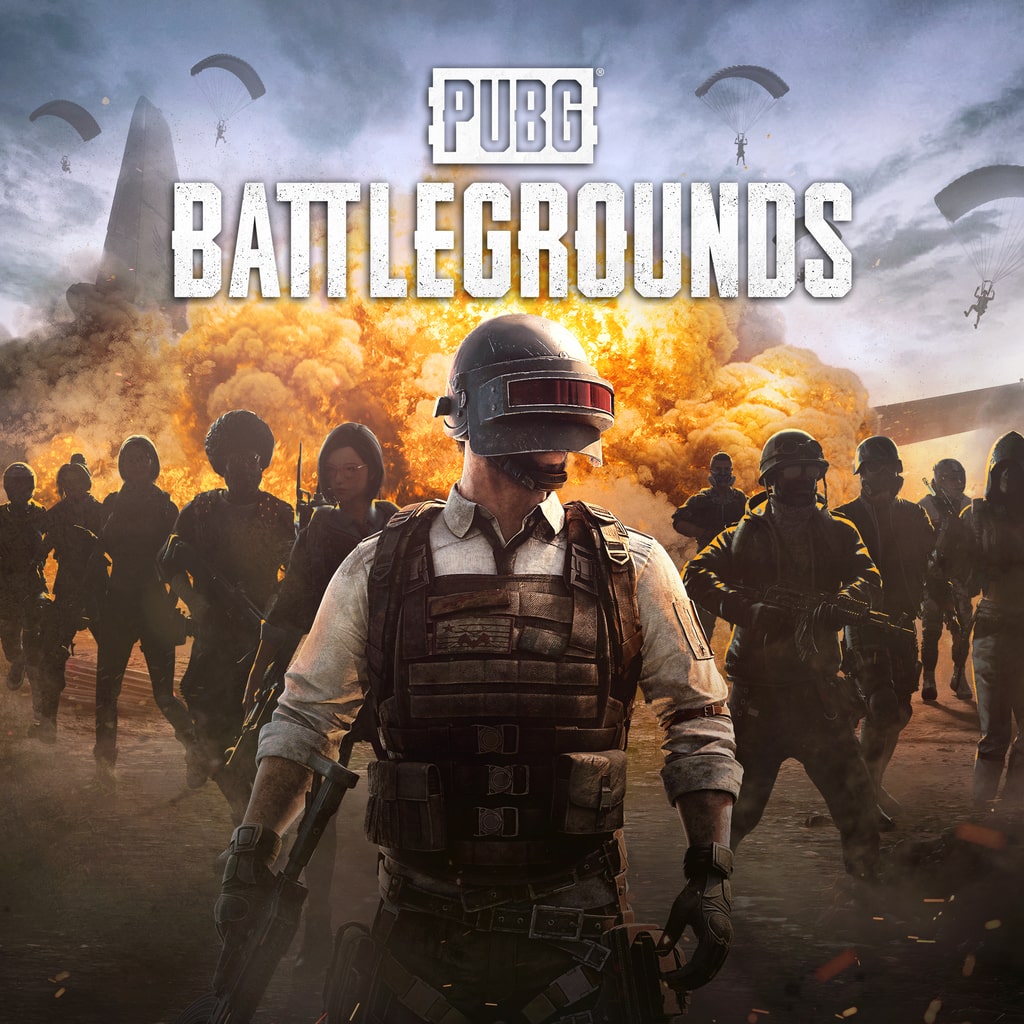
When choosing between PUBG Mobile and Garena Free Fire, you're looking at two entirely different philosophies of mobile combat. PUBG Mobile chases gritty realism and tactical depth, while Free Fire prioritizes blistering match speeds and accessibility on low-end hardware. Neither title completely dominates the entire mobile market; instead, they split the global audience based on regional hardware availability, session length preferences, and mechanical complexity.
Understanding which game fits your habits requires looking past surface-level popularity numbers and examining how performance, gunplay, and game loops actually function during a match.
Core Gameplay Mechanics and Match Flow
The fundamental difference between these two titles is how long a match takes and what skills are rewarded. PUBG Mobile replicates a traditional PC battle royale experience on mobile devices. Classic matches drop 100 players onto sprawling maps like Erangel or Miramar, where survival depends heavily on loot management, terrain positioning, and long-range gun discipline. A full match can stretch past 25 minutes, creating significant lulls between engagements where planning and safe rotations matter more than raw twitch reflexes.
Free Fire shrinks the player count to 50 and shortens matches to roughly 10 minutes. The map design forces constant conflict, eliminating much of the downtime found in PUBG. Free Fire also introduces active and passive character abilities, allowing players to trigger speed boosts, healing fields, or shield walls during firefights. This makes individual encounters feel more like hero-shooter skirmishes than traditional military simulations.
- PUBG Mobile Match Loop: Land, scavenge attachments, manage inventory space, rotate carefully via vehicles, and survive positional bottlenecks in the final zones.
- Free Fire Match Loop: Drop hot, secure fast weapons, engage enemies immediately, and use character abilities to outmaneuver opponents in tight spaces.
Graphics, Hardware Optimization, and Performance
Graphics represent the most obvious technical divide. PUBG Mobile runs on Unreal Engine 4, delivering detailed textures, dynamic lighting, realistic physics, and complex weapon recoil patterns. That visual fidelity comes with a heavy performance cost. Running PUBG smoothly requires a device with at least 3GB to 4GB of RAM and a capable mid-range or high-end processor. On older or budget phones, PUBG frequently suffers from frame drops, thermal throttling, and stuttering during intense gunfights.
Garena built Free Fire from the ground up to run on almost any smartphone, including budget devices with 1GB or 2GB of RAM. The file size is significantly smaller, and the simplified, arcade-style graphics ensure stable frame rates even on weak hardware. While Free Fire MAX offers a visual upgrade over the standard client, it still aims for high-frame-rate fluidity rather than photorealism. For millions of players across Southeast Asia, Latin America, and South Asia, hardware constraints make Free Fire the only viable option.
Gunplay, Recoil, and Skill Ceilings
The shooting models shape how rewarding each game feels over hundreds of hours. PUBG Mobile features intricate gun mechanics that demand time to master. Bullet drop, travel time, stance penalties, and complex attachment systems mean that hitting targets at 200 meters requires genuine practice. Recoil control separates casual players from seasoned competitors.
Free Fire simplifies gun handling to keep the pace fast. Recoil patterns are less punishing, and auto-aim assist is more aggressive, particularly in close-quarters combat. However, Free Fire shifts the skill ceiling away from pure gun-skill and toward resource management and ability synergy. Knowing when to activate a character skill or deploy a gloo wall provides a different tactical layer that compensates for the simpler baseline gunplay.
Official updates and competitive data from platforms like Krafton show that PUBG maintains a heavy focus on tournament-level esports integrity, while publishers like Garena lean into community-driven events and mass accessibility.
Common Mistakes When Choosing a Game
Many players pick the wrong battle royale because they judge the games based on marketing hype rather than technical reality.
- Ignoring Device Specs: Trying to play PUBG Mobile on an outdated budget phone leads to frustration. If your hardware struggles with heat and lag, your survival rate will plummet regardless of your tactical knowledge.
- Expecting Quick Matches in PUBG: Jumping into PUBG when you only have ten minutes to spare forces rushed decisions and results in frequent early deaths.
- Overlooking Character Skills in Free Fire: Coming into Free Fire and treating it like a pure point-and-shoot game ignores the core mechanic that wins gunfights at higher tiers.
Frequently Asked Questions
Which game has a larger player base?
Free Fire generally records higher daily active user numbers globally, driven by massive adoption in Latin America and parts of Asia. PUBG Mobile maintains a massive global footprint as well, with particularly strong engagement in regions with higher-end mobile hardware penetration.
Can I play Free Fire on a PC?
Yes, players can access Free Fire on computers using official or authorized Android emulators like Google Play Games, though both titles were fundamentally designed and balanced for touchscreens.
Which game is harder for beginners?
PUBG Mobile is generally considered harder to learn because of its realistic ballistic physics, large maps, and punishing recoil control. Free Fire offers a more forgiving entry point thanks to its smaller maps, shorter match loops, and streamlined shooting mechanics.
Do both games require an active internet connection?
Yes, both PUBG Mobile and Free Fire require a stable internet connection because they host live, online multiplayer matches featuring real players from around the world.



