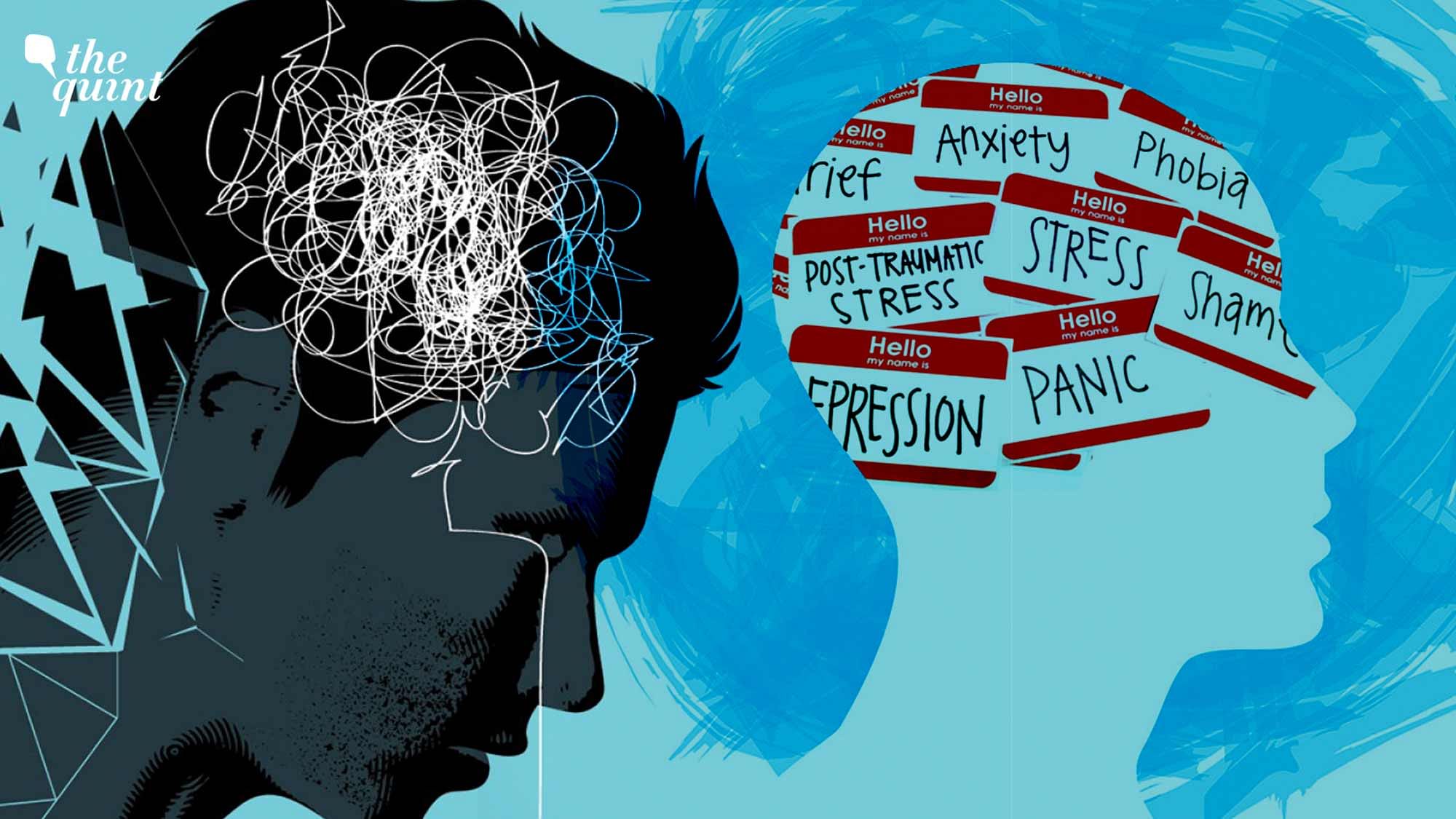
We spend billions on firewalls, encryption algorithms, and multi-factor authentication protocols, yet our digital identities remain vulnerable to a low-tech exploit: our own cognitive wiring. Psychological information security explores how malicious actors target human perception, emotion, and trust rather than software code. Hackers don't just crack passwords; they hack human decision-making. Protecting your digital footprint requires understanding the invisible psychological mechanics that attackers use to bypass your rational defenses.
Traditional cybersecurity treats the user as an isolated operator sitting behind a secure terminal. Modern threat actors treat the user as the primary attack vector. By manipulating cognitive biases, creating artificial urgency, and weaponizing social norms, attackers trick you into handing over the keys to your digital identity. Recognizing these manipulation vectors is the first step toward building genuine mental resilience against sophisticated cyber threats.
The Cognitive Vulnerabilities in Digital Defense
Our brains rely on mental shortcuts—heuristics—to process the overwhelming stream of digital information we face daily. While these shortcuts save time, they create predictable blind spots that cybercriminals exploit with precision.
When you receive an email warning that your bank account will be frozen within an hour unless you verify your credentials, your brain shifts from analytical processing to emotional reaction. Fear and urgency short-circuit logical evaluation. Attackers intentionally induce high-stress states because stressed individuals process information superficially and comply with authority figures more readily.
Another primary cognitive vulnerability is the authority bias. We are conditioned to obey institutional cues, uniform signals, and executive titles. When a phishing message mimics a directive from a corporate CEO or a government tax agency, your instinctive compliance overrides your skepticism. Attackers spoof organizational hierarchies because they know most people hesitate to question perceived authority.
How Social Engineering Weaponizes Trust
Social engineering isn't a technical glitch; it's an exploitation of human empathy and social connection. Trust is essential for cooperative human society, but online, it's a fatal vulnerability if left unmanaged.
Attackers build elaborate false personas over weeks or months—a practice known as spear-phishing or grooming. They study your professional history on LinkedIn, your personal interests on social media, and your communication style. When they finally strike, they don't sound like a generic scammer. They sound like an old colleague, a helpful IT support technician, or a friendly customer service agent.
- Pretexting: Creating a fabricated scenario—such as an urgent billing error—to trick you into releasing confidential data.
- Baiting: Offering an enticing prospect, like a free software download or a gift card, to drop malicious payloads or steal login credentials.
- Quid Pro Quo: Requesting sensitive credentials in exchange for a promised service or technical fix.
Because these interactions mirror normal human helpfulness, they slip past our internal threat detectors. You aren't defending against malicious code; you're defending against your own instinct to be polite and cooperative.
The Invisible Cost of Digital Exposure
Your digital identity isn't just a collection of usernames and passwords. It's a synthetic version of your psychological profile, built from your browsing habits, purchasing preferences, emotional triggers, and communication patterns.
When data brokers or malicious actors aggregate this information, they can construct hyper-targeted manipulation campaigns. This goes beyond simple financial theft. Identity compromise can lead to reputational destruction, psychological distress, and the total loss of control over your digital autonomy. According to insights from the Cybersecurity and Infrastructure Security Agency (CISA), identity theft relies heavily on gathering fragmented personal data until an attacker can impersonate you convincingly across financial and professional networks.
[Fragmented Personal Data] ➔ [Behavioral Profiling] ➔ [Targeted Manipulation] ➔ [Identity Compromise]
Practical Steps to Harden Your Mental Firewall
Defending your digital identity requires establishing conscious operational friction in your daily digital habits. You must train yourself to pause when your emotions spike.
- Enforce the Five-Minute Rule: Whenever an online message demands immediate, urgent action under threat of penalty or loss, walk away for five minutes. Urgency is almost always an artificial construct designed to bypass your rational thought process.
- Verify Through Independent Channels: Never use the contact details provided in a suspicious communication. If your bank sends an alert, close the message, open your banking app directly, or call the official number printed on the back of your debit card.
- Audit Your Public Exposure: Regularly minimize the personal data you share across social platforms. Attackers use seemingly innocuous details—like your pet's name, your hometown, or your anniversary—to crack security questions and craft convincing pretexts.
- Adopt Zero-Trust Psychology: Treat every unexpected incoming request for data, access, or credentials as untrusted by default, regardless of how authentic the sender appears.
For technical standards on multi-layered defense frameworks that complement behavioral awareness, review guidelines published by the National Institute of Standards and Technology (NIST).
Common Mistakes That Undermine Psychological Security
Even security-conscious individuals often make critical errors that expose them to psychological manipulation.
One common mistake is relying entirely on technical controls while ignoring behavioral hygiene. A hardware security key won't protect you if you willingly type your authentication code into a fake login portal because an attacker convinced you that you were completing a mandatory system update.
Another error is assuming that technical proficiency confers immunity. Tech-savvy professionals are often prime targets for sophisticated spear-phishing because they suffer from overconfidence bias, believing they are too smart to fall for a scam. Attackers exploit this hubris by using highly technical pretexts that appeal to an engineer's or administrator's desire to fix broken systems.
Finally, failing to report near-misses creates a culture of silence. If you almost fall for a psychological trap, sharing that experience with your team or family helps others recognize the same manipulation vector before it succeeds.
Frequently Asked Questions
What is the primary difference between technical security and psychological information security?
Technical security focuses on hardening software, networks, and hardware against code-based exploits. Psychological information security focuses on defending human cognition, emotional triggers, and decision-making processes against social engineering and manipulation.
Why do smart people fall for social engineering scams?
Attackers target universal cognitive shortcuts, emotional states like fear or helpfulness, and professional courtesy. Intelligence doesn't immunize someone against well-crafted psychological manipulation that catches them during a moment of high stress or distraction.
How can I spot an artificial sense of urgency?
Legitimate organizations rarely penalize you instantly for failing to click a link within ten minutes. If a communication uses extreme pressure, threatening language, or artificial deadlines to force compliance, it is almost certainly a psychological manipulation tactic.
What should I do if I suspect my digital identity has been compromised?
Immediately secure your primary email account, change core passwords, enable or reset multi-factor authentication, and review active sessions across all connected devices. Notify relevant financial institutions if sensitive data or accounts were exposed.



