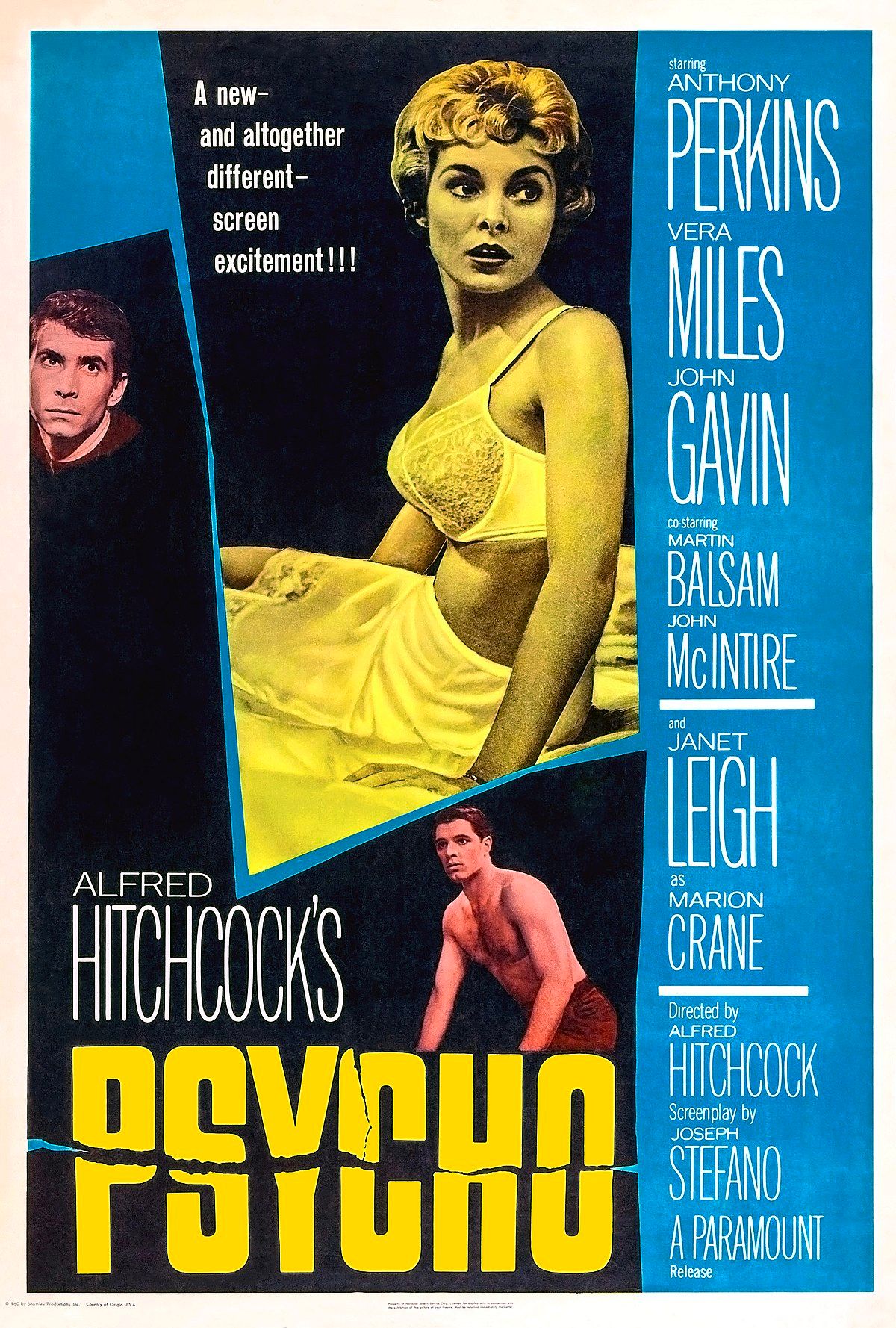
Comparing Psycho (1960) and American Psycho (2000) reveals two distinct definitions of cinematic terror. Alfred Hitchcock built his masterpiece around psychological suspense and sudden violence, while Mary Harron crafted a razor-sharp satire of corporate greed and moral emptiness. Both films examine the dark undercurrents of the human psyche, yet they approach monstrosity through entirely different cultural lenses.
Understanding these two milestones means looking beyond surface-level genre tropes. One operates as a tightly wound thriller that forever changed how audiences view safety in domestic spaces. The other functions as a pitch-black comedy exposing the hollow rituals of 1980s Wall Street yuppie culture. Examining their narrative structures, character motivations, and cultural impact illuminates why both pictures remain vital touchstones in film history.
Narrative Structure and Pacing
Hitchcock's Psycho relies on misdirection and structural audacity. The first half follows Marion Crane, an embezzler on the run who checks into a desolate motel run by a quiet, unassuming young man named Norman Bates. When Marion meets a brutal end in the shower halfway through the runtime, Hitchcock shatters audience expectations. This narrative pivot forces viewers to shift their allegiance, moving from the fugitive protagonist to the investigators and eventually into the disturbed mind of Norman himself.
Mary Harron’s American Psycho takes a radically different structural path. Based on Bret Easton Ellis's controversial novel, the film tracks Patrick Bateman, an investment banker whose polished exterior masks a frantic, murderous void. Instead of a linear mystery, the narrative unfolds through Bateman's increasingly unhinged daily routines, tracking his obsessions with business cards, high-end dining reservations, and graphic violence. The tension stems not from whether he will be caught, but from whether any of his peers even notice his crimes. They don't, which forms the core of the film's existential dread.
The Role of Suspense Versus Satire
Suspense drives the momentum in Psycho. Every scene at the Bates Motel builds dread through Bernard Herrmann's shrieking string score, tight framing, and the audience's awareness of danger that the characters cannot see. You're constantly waiting for the other shoe to drop, making the viewing experience physically tense.
In contrast, American Psycho prioritizes dark satire over traditional suspense. The horror arises from the mundane absurdity of Bateman's world. Conversations about the superiority of Paul Allen's business card take on the same emotional weight as his confessions of murder. Harron uses dark humor to disarm the viewer, contrasting upscale consumerism with grotesque brutality.
Character Psychology and Monstrosity
Norman Bates and Patrick Bateman represent two different eras of cinematic villainy, each reflecting the societal anxieties of their respective decades.
Norman Bates is trapped by isolation and maternal dominance. Living in a decaying gothic house beside a lonely highway, his fractured personality stems from severe psychological repression. He doesn't act out of malice in the traditional sense; rather, his crimes are driven by a fractured identity and a suffocating devotion to his mother. Viewers feel a strange mixture of terror and pity for Norman, realizing he is as much a victim of his own mind as he is a killer.
Patrick Bateman, meanwhile, suffers from an entirely modern malady: complete emotional detachment. He tells us directly in voiceover that there is no real person inside him, only a collection of tailored suits, expensive skincare routines, and surface-level mimicry. Bateman kills because he feels nothing, searching for a sensation that can pierce his overwhelming numbness. While Norman has a frantic internal life governed by fear and delusion, Bateman exists in a state of chilling emptiness.
Societal Reflections of Fear
The cultural backdrop of each film heavily influences how their respective monsters operate.
- Psycho (1960) emerged during an era when American society was beginning to question the safety of suburban normalcy and the nuclear family. The roadside motel represented a breach in the comforting illusion of post-war prosperity.
- American Psycho (2000, set in 1987) targeted the hyper-capitalist greed of the Reagan era. It suggests that the corporate ladder doesn't just reward ruthless behavior—it actively rewards sociopathy, making it nearly impossible to distinguish a successful executive from a serial killer.
Visual Style and Direction
The visual language of both films underscores their thematic goals. Hitchcock uses expressionistic shadow, voyeuristic camera angles, and meticulous editing to trap the viewer inside a nightmare. The famous shower sequence uses seventy-seven camera angles in under a minute, creating a chaotic sensory overload that feels far more violent than it actually is on screen. For a detailed breakdown of Hitchcock's technical innovations, you can read more via the British Film Institute.
Mary Harron and cinematographer Andrzej Sekula adopt a sleek, cold aesthetic that mirrors Bateman's sterile mindset. The apartments, restaurants, and offices feature clean lines, muted metallic tones, and immaculate lighting. This pristine visual environment contrasts sharply with the messy, primal acts of violence Bateman commits. The camera remains objective, refusing to judge or sensationalize, which forces the audience to sit squarely in the discomfort of Bateman's reality.
Frequently Asked Questions
Is American Psycho meant to be a comedy?
Yes, the film is a dark satire. While it contains genuinely disturbing elements, its primary goal is to mock the shallow materialism and absurd vanity of 1980s corporate culture through deadpan humor.
Did Patrick Bateman actually commit the murders?
The film intentionally leaves this ambiguous. The central theme explores a world so self-absorbed and apathetic that Bateman's confessions are ignored, and the bodies he hides conveniently vanish, suggesting his crimes might be manifestations of his paranoid psychosis.
How did Psycho change horror cinema?
Hitchcock's film shattered the traditional studio code by killing off its main star halfway through the story, proved that horror could be a prestigious artistic medium, and paved the way for the modern slasher genre.
Which film is more influential on modern thrillers?
Both hold massive influence, but in different spheres. Psycho laid the foundation for psychological suspense and the slasher subgenre, while American Psycho set a high watermark for satirical dark comedies that explore toxic masculinity and corporate alienation.



