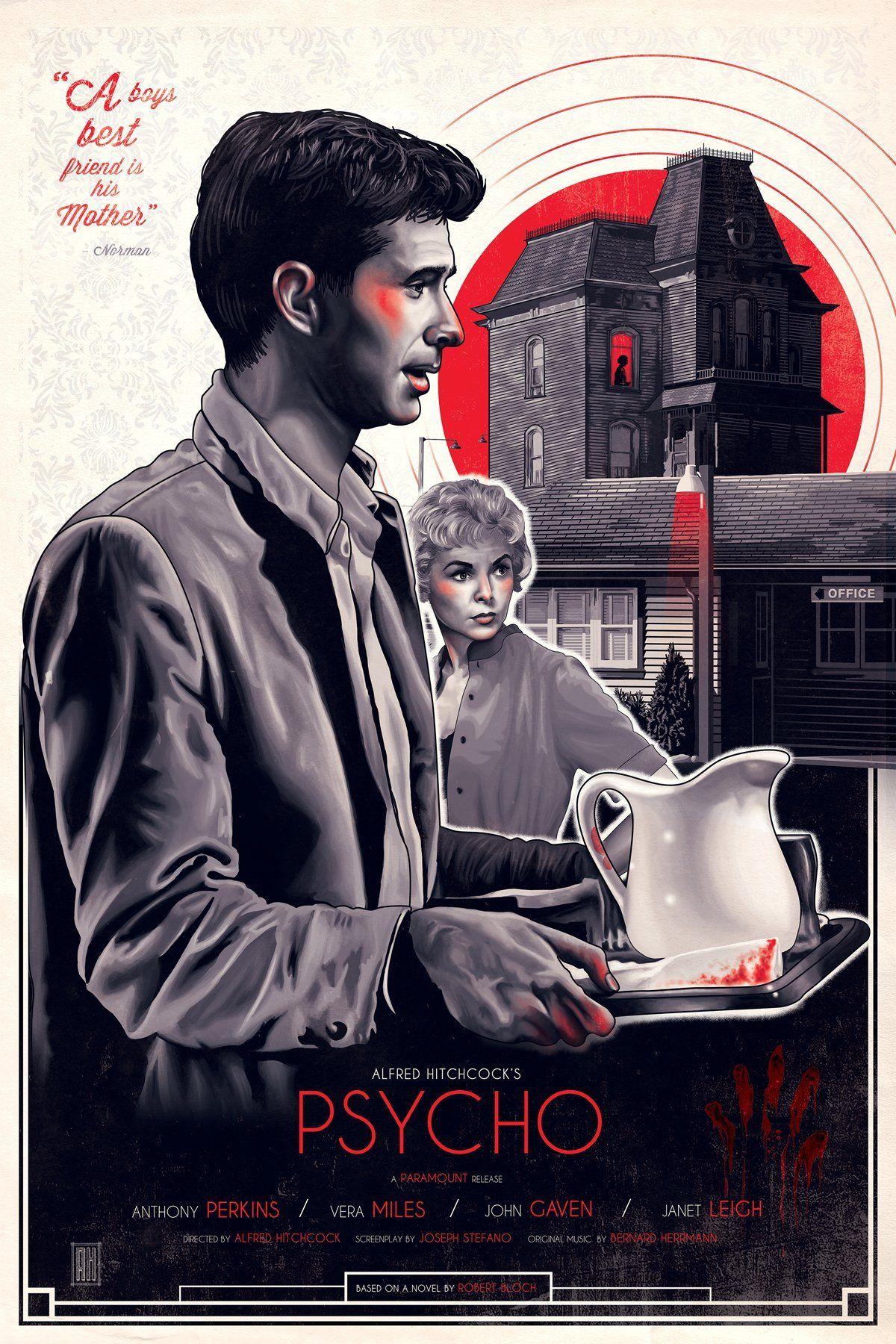
When Alfred Hitchcock unleashed Norman Bates on audiences in 1960, he redefined the boundaries of cinematic fear. Forty years later, Mary Harron brought Patrick Bateman to the screen, transforming corporate satire into a blood-soaked exploration of late-stage capitalism. Though separated by four decades, Psycho vs American Psycho represents the ultimate cinematic conversation on the evolution of the modern monster. These two masterworks strip away the supernatural to reveal a much more terrifying truth: the killer isn't hiding in the dark woods. He is living next door, running a motel, or sitting across from you on Wall Street.
Understanding these films requires looking beyond the body counts and examining the cultural anxieties that birthed them. Hitchcock tapped into mid-century American repression, psychoanalytic dread, and the uncanny horrors lurking behind suburban facades. Harron and author Bret Easton Ellis targeted hyper-materialism, hollow corporate conformity, and the emotional vacuum of the 1980s. By placing these two cultural touchstones side by side, we can trace how cinematic terror shifted from psychological entrapment to outward-bound societal satire.
The Genesis of Terror: 1960s Repression vs 1980s Excess
Alfred Hitchcock made Psycho on a tight budget, relying on black-and-white cinematography, tight framing, and Bernard Herrmann’s screeching string score to manufacture dread. The horror in the Bates Motel stems from isolation, maternal enmeshment, and the terrifying realization that human identity can fracture entirely. Norman Bates doesn't want money, status, or power. He wants to disappear into the shadow of a mother who dictates his every move.
Fast forward to 2000, when American Psycho hit theaters. Patrick Bateman operates in the glaring, hyper-saturated light of Manhattan. There are no spooky old dark houses here; instead, terror thrives in minimalist high-rise apartments, upscale restaurants, and sterile corporate boardrooms. Bateman isn't repressed by a domineering mother. He is crushed by the terrifying demand to fit in. His obsession with business cards, designer suits, and reservation lists at Dorsia highlights a culture where a misplaced font style or a slightly better table constitutes an existential threat.
Visual Language and Aesthetic Choices
The visual DNA of both films tells the story of their respective eras. Hitchcock utilized stark monochrome imagery to emphasize morality tales where good and evil blur together under long shadows. The lighting design purposefully obscures Norman's face during key moments, symbolizing his split psyche. Every frame feels claustrophobic, mirroring Marion Crane’s trap before she even pulls into the motel parking lot.
Conversely, American Psycho weaponizes brightness and gleaming surfaces. The cinematography favors clean whites, polished chrome, and cold blue apartment tones. This aesthetic choice highlights how modern monstrosity hides in plain sight. There are no dark corridors for Bateman to lurk within. His atrocities happen in pristine, expensive spaces, proving that extreme wealth can sanitize and shield absolute depravity.
- For more on the technical evolution of horror cinematography, check out American Society of Cinematographers.
- Read up on classic cinematic milestones via the Library of Congress National Film Registry.
Character Study: Norman Bates vs Patrick Bateman
At first glance, Norman and Patrick look like polar opposites. Norman is shy, awkward, and financially destitute, running a failing motel off a forgotten highway. Patrick is wealthy, handsome, impeccably groomed, and sits at the top of the financial food chain. Yet, their core psychological rot shares a striking foundation.
Both men live behind constructed masks. Norman literally adopts his mother's persona to cope with guilt and trauma, speaking with her voice and wearing her clothes. Patrick adopts the uniform of the 1980s yuppie, noting that his identity is merely an abstraction, a string of slick surface-level choices designed to mimic humanity without actually feeling it. When Patrick famously declares that "there is an idea of a Patrick Bateman, some kind of abstraction, but there is no real me," he echoes Norman's chilling final realization that his mother has entirely consumed his consciousness.
The Role of Satire and Black Comedy
While Hitchcock kept his film locked in a tone of pure suspense and psychological dread, American Psycho leaned hard into pitch-black satire. Mary Harron’s adaptation balanced graphic violence with absurd, laugh-out-loud comedy. Bateman delivers passionate, deeply earnest monologues about the artistic merits of Huey Lewis and the News while preparing to murder his associates with an axe.
This tonal shift highlights a major evolution in how cinema treats killers. In 1960, the audience watched through trembling fingers, horrified by what Norman did. By 2000, audiences laughed at the sheer absurdity of Patrick’s shallow existence, recognizing that the true monster isn't just the man swinging the weapon, but the vacuous social ecosystem that fails to even notice or care. None of Bateman's colleagues can keep track of who is who; they regularly mistake one investment banker for another, rendering his actual murders functionally invisible.
Common Mistakes in Comparing the Two Films
Many casual viewers make the mistake of assuming American Psycho is a direct sequel or a thematic remake of Hitchcock's classic. While the title and Patrick’s last name (Bateman) are widely considered deliberate nods to the master of suspense, the narrative goals diverge entirely.
Another frequent misstep is taking Patrick Bateman's violent rampages at face value. Much like the debates surrounding whether Norman's crimes were entirely his own or his mother's, American Psycho leaves viewers questioning reality. Did Bateman butcher half of Manhattan, or is the entire film a satirical hallucination born from a mind rotting under unchecked narcissism and drug abuse? The ambiguity is the point.
Frequently Asked Questions
Are Norman Bates and Patrick Bateman connected in any cinematic universe?
No narrative connection exists between the two stories. Bret Easton Ellis utilized the surname Bateman and the film's title as a clever literary and cinematic homage to Hitchcock's foundational masterpiece, but their respective fictional worlds remain entirely separate.
Why is American Psycho considered a comedy by many viewers?
The film relies heavily on dark satire to mock the extreme materialism, shallow status anxieties, and utter lack of empathy inherent in Wall Street culture during the 1980s. The disconnect between Bateman's mundane worries about restaurant reservations and his psychotic confessions creates a darkly humorous tone.
How did Psycho change movie theater culture upon release?
Hitchcock instituted a strict late-admittance policy for Psycho, refusing to let patrons enter the theater after the movie started. This single marketing and distribution choice permanently ended the old Hollywood custom of audiences wandering into theaters midway through a screening.
Is Patrick Bateman intended to represent a real person?
No, Patrick Bateman is entirely fictional. Bret Easton Ellis crafted him as a composite caricature of corporate greed, superficial luxury culture, and male insecurity during the height of the 1980s financial boom.



