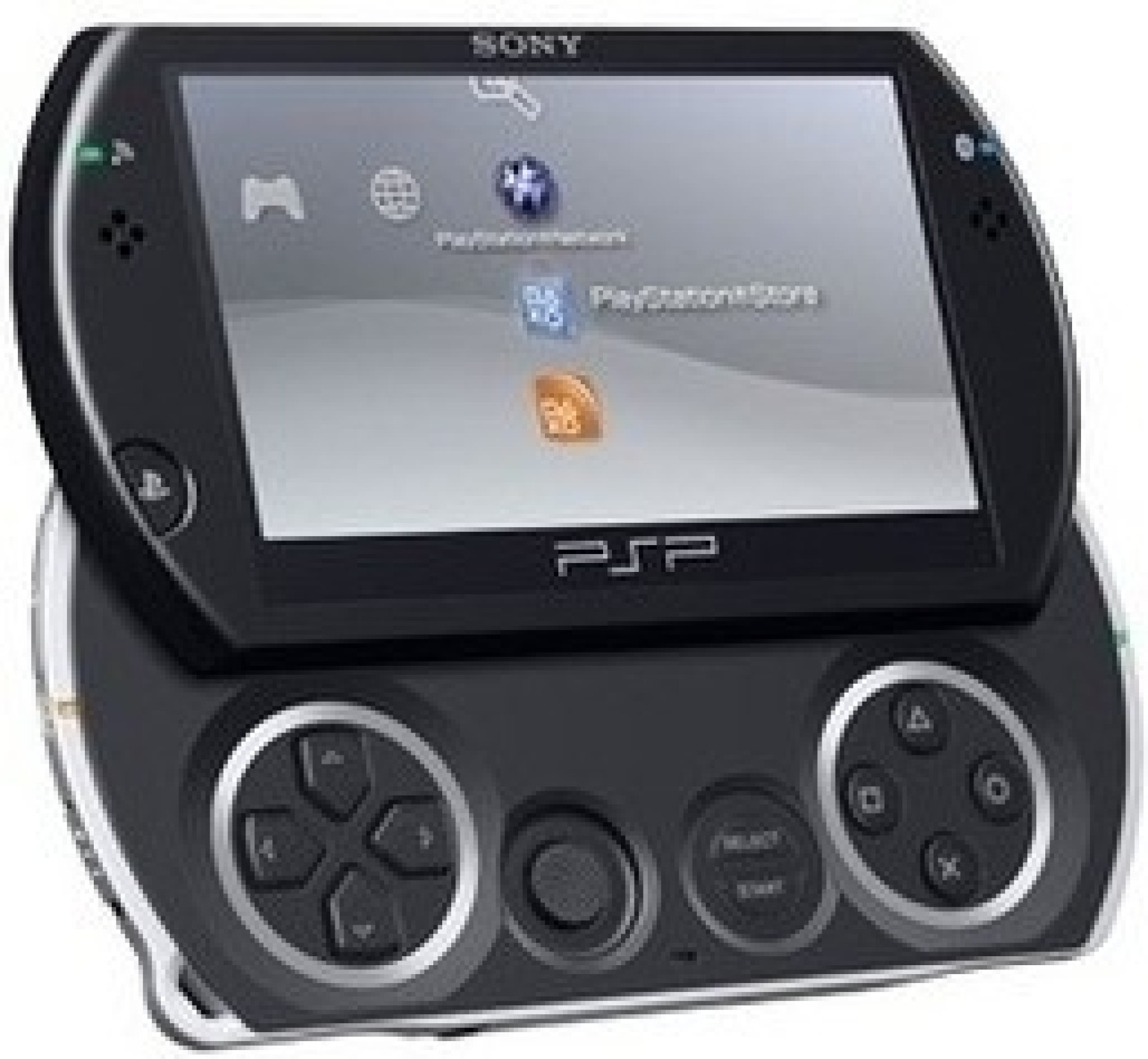
Playing classic PlayStation Portable titles and retro console libraries on modern hardware comes down to choosing the right software and managing your game files correctly. Whether you want to run portable classics on a smartphone, tablet, or PC, understanding how emulation works helps you bypass common performance pitfalls and configuration errors.
The primary software standard for this ecosystem is PPSSPP, an open-source application designed to run PSP software at high resolutions, with customizable control mappings and improved texture scaling. Setting it up requires acquiring safe ISO or CSO game backups, organizing your directory structure, and adjusting rendering settings to match your hardware capabilities.
Understanding PSP Emulation Architecture
Emulating the PlayStation Portable requires translating the device's specialized MIPS-based architecture into code that modern processors can execute efficiently. Because hardware architectures differ, software developers rely on translation layers and dynamic recompilers to process game instructions in real time.
When running games through an emulator, performance depends heavily on single-core CPU speeds rather than multi-core counts. A device with a strong single-thread rating handles graphics scaling, audio synchronization, and script execution smoothly. Mobile devices, budget laptops, and handheld retro consoles vary widely in processing power, making it necessary to adjust internal rendering resolutions to maintain stable frame rates.
ISO versus CSO Game Formats
Game backups typically arrive in one of two file types:
- ISO (Optical Disc Image): An exact, uncompressed copy of a UMD disc. These files offer maximum compatibility and stable read speeds, but they take up more storage space on your device.
- CSO (Compressed Set Format): A compressed version of an ISO file. CSO files reduce storage footprints significantly, which helps when loading mobile devices or portable handhelds, though heavy compression can occasionally introduce stuttering during high-speed asset loading.
Setting Up PPSSPP on Modern Devices
Getting started with PPSSPP requires downloading the official application from the PPSSPP Downloads Page for your operating system, whether that is Windows, macOS, Android, or Linux.
Once installed, follow these steps to load and run your games:
- Create a dedicated folder on your storage drive named something clear, like
PSP_Games, to keep your backups organized. - Place your legally dumped ISO or CSO game files directly inside this folder.
- Open the application, navigate to the Games tab, and use the built-in file browser to locate and select your
PSP_Gamesdirectory. - Tap or click on any detected game icon to launch the software.
Optimizing Performance and Graphics Settings
Default configurations balance accuracy and speed, but modern hardware allows for substantial visual upgrades. Adjusting backend graphics APIs and rendering parameters transforms how older titles look on high-resolution displays.
Rendering Backends
The graphics backend dictates how the software communicates with your device's graphics processing unit.
- Vulkan: Generally offers the best performance and lower CPU overhead on modern Android devices and Windows PCs.
- OpenGL: A reliable fallback option with high compatibility across older hardware architectures.
- DirectX 11/12: Windows-specific options that provide stable rendering performance on Microsoft systems.
Internal Resolution Scaling
Running games at native PSP resolution (480x272) on a modern 1440p monitor or high-density phone screen results in pixelation. You can increase the internal resolution setting to 2x, 3x, or higher. This scales 3D models and polygon edges cleanly without increasing hardware requirements excessively. Avoid cranking resolution to maximum levels on mobile hardware to prevent thermal throttling and battery drain.
Common Mistakes to Avoid
Many users encounter performance drops or control issues due to improper configuration habits. Avoiding these pitfalls ensures a smooth experience:
- Leaving hardware transformations disabled: Turning off hardware transforms forces the CPU to handle geometry processing, tanking frame rates. Always keep hardware transform enabled.
- Ignoring frame skipping settings: If a demanding title runs slowly, setting frame skipping to 1 can stabilize motion, though it may introduce minor visual stutter. Use it sparingly.
- Neglecting touch control layouts: Playing action-heavy titles with default flat touch controls can feel awkward. Take time to resize and adjust the opacity of onscreen buttons, or connect a physical Bluetooth gamepad for precise input.
Frequently Asked Questions
Is it legal to download game ISOs?
Downloading ISOs for games you do not physically own violates copyright laws in most jurisdictions. Preserving software via personal backups of legitimately purchased UMD discs falls under archival exceptions in specific regions, but downloading files from public web repositories remains legally ambiguous or unauthorized.
Can I transfer my saved games from real hardware?
Yes. If you own a modified PSP with custom firmware, you can extract your saved data files (PARAM.SFO and save folders) from your Memory Stick and transfer them directly into the corresponding save directory of your emulator.
Why do some cutscenes stutter during playback?
Cutscene stuttering usually happens when the storage drive or microSD card has slow read speeds, or when the emulator struggles to decode specific video codecs in real time. Switching the rendering thread options or adjusting texture caching can alleviate this issue.
Do I need a powerful graphics card for PPSSPP?
No. PPSSPP relies much more heavily on CPU single-core performance than GPU power. Most integrated graphics chips on modern processors handle 4x resolution scaling effortlessly.



