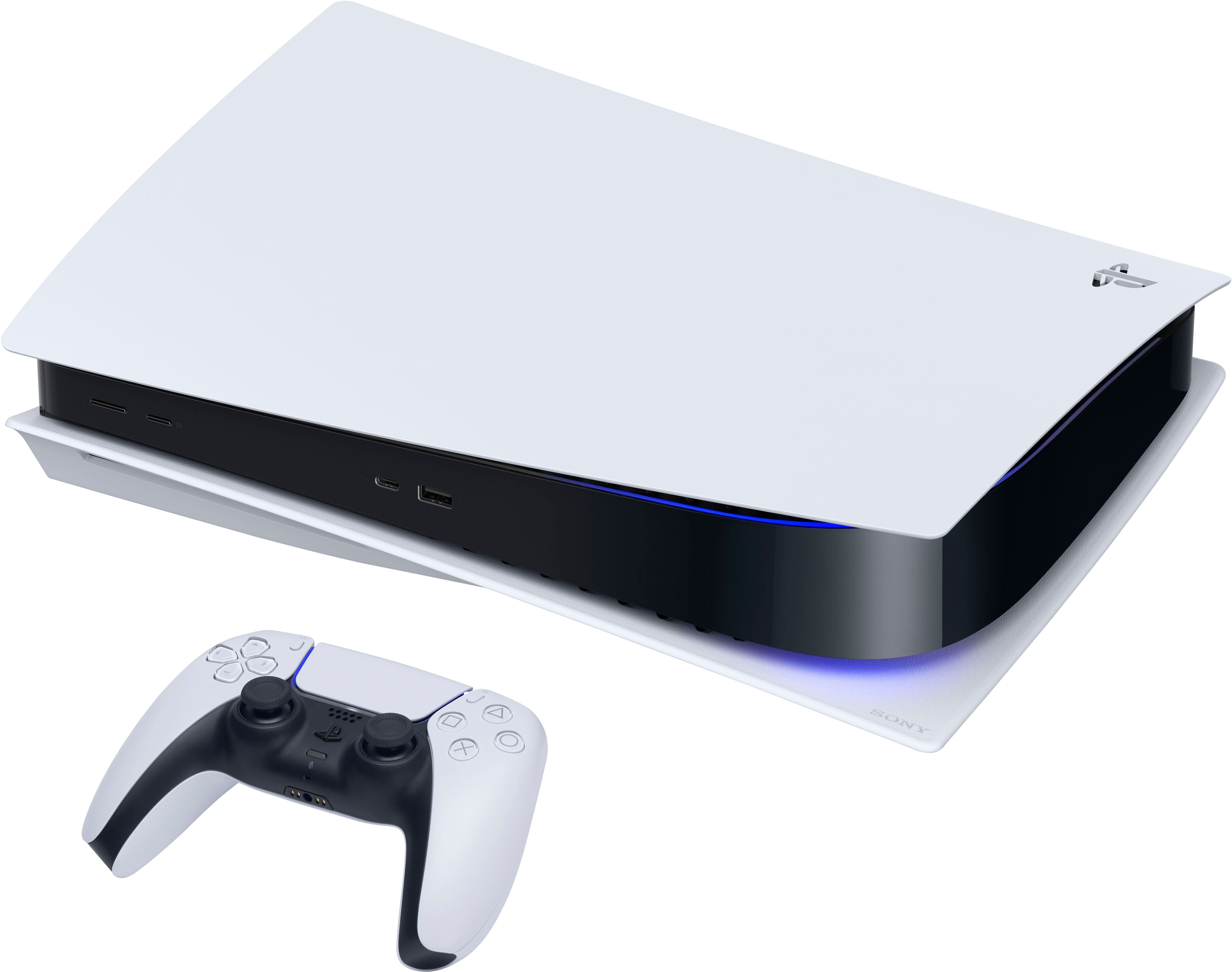
Deciding between the PS5 Slim and the PS5 Pro comes down to balancing raw graphical muscle against a steep price tag. If you want high-end ray tracing and steady frame rates without compromising visual fidelity, the Pro delivers a major hardware leap. If you just want a reliable machine to play current games without breaking the bank, the Slim remains the practical choice for most living rooms.
The base PlayStation architecture has evolved significantly since its 2020 debut, splitting into distinct tiers. Understanding how these two mid-generation options differ in performance, storage, and cost helps you spend your money wisely.
Performance and Graphical Power
The core difference between these two systems lives in their graphics processors. The PS5 Slim features an AMD RDNA architecture pushing roughly 10.3 teraflops, matching the capabilities of the original launch console while shrinking the physical chassis. It handles standard 4K gaming at 60 frames per second reliably across most modern titles.
The PS5 Pro steps up to a GPU with roughly 67 percent more compute units, pushing about 16.7 teraflops. Sony paired this upgrade with PlayStation Spectral Super Resolution (PSSR), an AI-driven upscaling tool designed to sharpen images while maintaining high frame rates.
Ray tracing also sees a massive improvement on the Pro model. While the Slim handles basic reflections and shadows, it often requires visual compromises. The Pro features dedicated ray-tracing hardware that runs complex lighting calculations up to three times faster, letting games keep fidelity settings active while maintaining smooth motion.
Storage and Hardware Extras
Storage capacity separates the two units out of the box.
- PS5 Slim: Ships with a 1TB SSD, giving you about 820GB of usable space after system software is installed.
- PS5 Pro: Doubles that baseline to a 2TB SSD, which is vital given how quickly modern AAA titles consume hundreds of gigabytes.
Both consoles let you expand storage yourself using an M.2 NVMe SSD, but starting with double the space on the Pro saves you an immediate hardware upgrade.
Connectivity also gets a bump on the Pro, which includes support for Wi-Fi 7. If you have a compatible home router, downloads and online multiplayer traffic move with lower latency compared to the Wi-Fi 6 standard found on the Slim.
The Disc Drive and Accessories Debate
A major financial factor in this comparison is physical media support.
- The PS5 Slim is available in a version that includes a pre-installed Ultra HD Blu-ray disc drive, or as a digital-only edition where you can attach a drive later.
- The PS5 Pro launches as a strictly digital-only console. If you want to play physical PS4 or PS5 discs, you must purchase a separate snap-on disc drive as an extra accessory, adding to the total cost.
Neither console includes a horizontal stand in the box, meaning you'll need to lay them flat carefully or buy a separate vertical stand if you prefer upright placement.
Pricing and Value Proposition
Price is where the two consoles diverge sharply. The PS5 Slim positions itself as the mainstream entry point, while the PS5 Pro targets enthusiasts willing to pay a premium for peak performance.
Because the Pro commands a much higher retail price—and frequently faces fluctuating market costs or supply constraints—you need to evaluate whether a 45 percent rendering boost and sharper reflections justify the extra expense for your specific gaming habits. Check current availability directly on the PlayStation Official Site to compare up-to-date retail packages.
Common Mistakes to Avoid
Buyers often make a few avoidable errors when choosing between these systems:
- Expecting non-patched games to look radically different: Older games that do not receive a specific "Pro Enhanced" patch will run similarly on both machines. Don't expect an automatic graphical overhaul for every backlog title.
- Forgetting the disc drive cost: If you own a large physical game collection, remember to factor the price of the separate disc drive into your total budget for the Pro.
- Ignoring display limitations: If your TV or monitor only supports 1080p at 60Hz, you won't see the benefits of the Pro's advanced 4K rendering, high frame rates, or complex ray tracing.
Frequently Asked Questions
Can the PS5 Pro play all standard PS5 games?
Yes. Every game in the existing PlayStation 5 library works on both the Slim and the Pro. The Pro simply enhances performance and visual fidelity for games optimized to use its extra hardware.
Is a vertical stand included with either console?
No. Current hardware packages for both the Slim and Pro require you to purchase a vertical stand separately if you don't want to use them in the default horizontal position.
Do I need a special TV to benefit from the PS5 Pro?
To get the most out of the Pro, a 4K display that supports high refresh rates (120Hz) and HDR helps showcase the improved frame pacing and ray-tracing effects. On a standard 1080p screen, the differences are much harder to notice.
How hard is it to install extra storage?
Adding more space is straightforward on both models. You can pop off the side cover and install any compatible M.2 NVMe SSD with a standard screwdriver.



