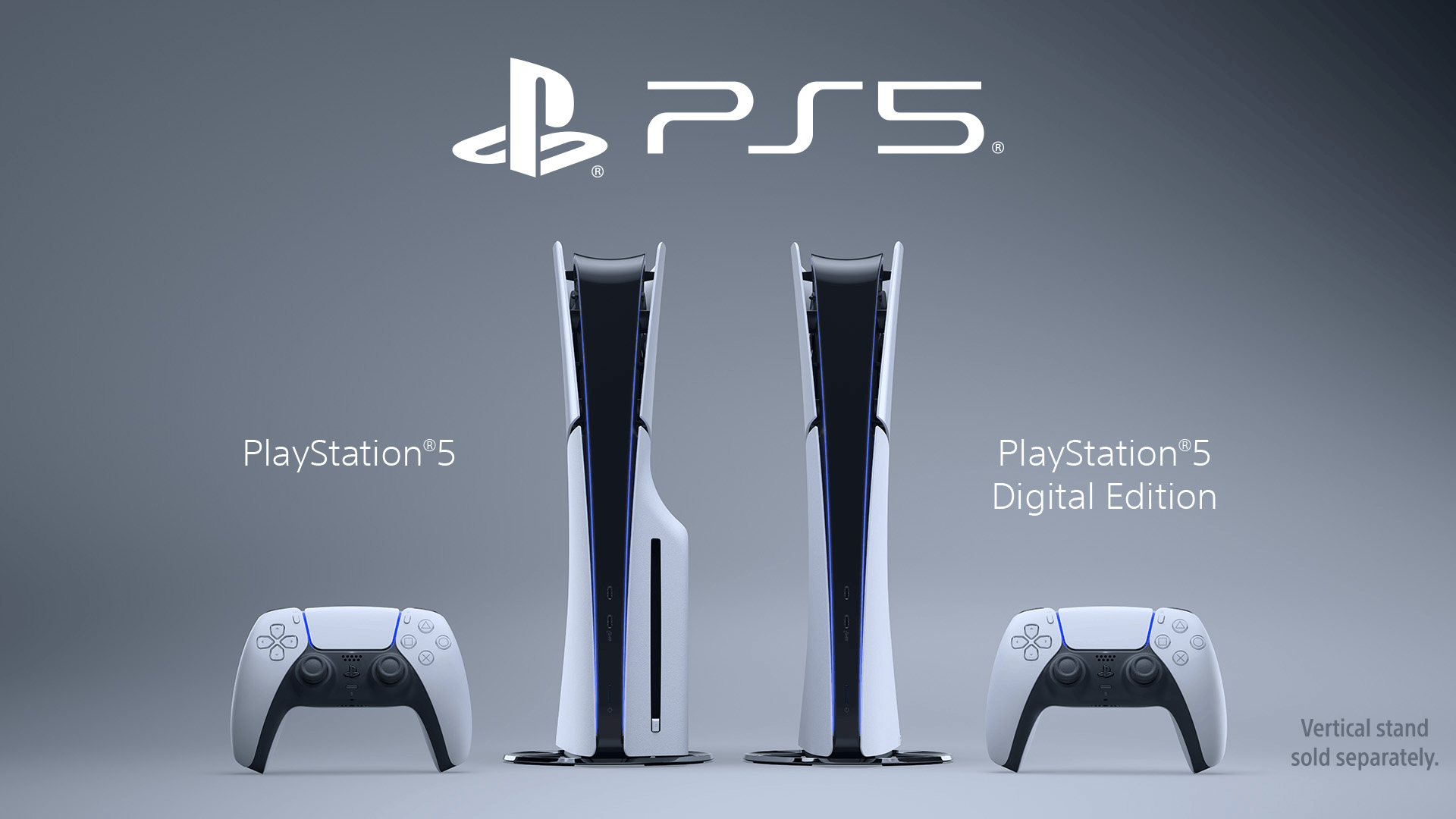
Sony released the PlayStation 5 in two distinct waves starting on November 12, 2020, for major markets including North America, Australia, New Zealand, Japan, Mexico, and South Korea. A second wave followed a week later on November 19, 2020, bringing the console to Europe, the UK, South America, and the Middle East. This staggered rollout was designed to manage crowd safety and logistics during the COVID-19 pandemic, preventing massive midnight queues at retail stores worldwide.
The console debuted at a recommended retail price of $499.99 for the standard Ultra HD Blu-ray disc version and $399.99 for the Digital Edition. Behind this launch lay years of hardware iterations, architectural announcements, and pandemic-era supply hurdles that fundamentally altered how players secured next-generation hardware.
The Road to the Reveal
Sony began quietly engineering its next-generation platform years before it hit shelves. In April 2019, lead system architect Mark Cerny revealed technical specifications to Wired, confirming a custom AMD Zen 2 processor and a high-speed solid-state drive (SSD) designed to eliminate loading screens.
The official name, PlayStation 5, was confirmed in June 2019, though the physical console design remained hidden until an online showcase event in June 2020. Sporting a futuristic, tall white-and-black chassis, the console broke away from the traditional matte-black box aesthetic of previous generations. Sony also debuted the DualSense wireless controller, which swapped traditional rumble motors for advanced haptic feedback and adaptive triggers.
Staggered Rollout and Pandemic Realities
Releasing a massive piece of consumer hardware during a global health crisis presented unprecedented obstacles. Sony chose a strictly online-only pre-order strategy in September 2020 to discourage physical queues. However, erratic retailer rollouts caused stock to vanish within minutes, creating a global shortage that lasted for over two years.
The regional launch schedule occurred as follows:
- November 12, 2020: United States, Canada, Mexico, Australia, New Zealand, Japan, and South Korea.
- November 19, 2020: United Kingdom, Europe, South America, Middle East, and the rest of the world.
- Later Dates: Rolling releases followed in regions like the Philippines, Indonesia, and China through early 2021.
Because retail stores were restricted or closed in many territories, digital storefronts carried the brunt of the traffic. Scalpers utilizing automated bots quickly swept up available inventory, leading to inflated resale prices on secondary markets.
Launch Day Lineup and Backward Compatibility
To anchor the hardware debut, Sony and third-party partners released several high-profile titles on day one. Notable launch games included:
- Demon's Souls (Bluepoint Games remake)
- Marvel's Spider-Man: Miles Morales (Insomniac Games)
- Sackboy: A Big Adventure
- Assassin's Creed Valhalla
- Call of Duty: Black Ops Cold War
Unlike previous console transitions, the system supported backward compatibility for over 99 percent of the PlayStation 4 software library. This feature allowed early adopters to immediately play their existing libraries with faster load times and improved frame rates. You can read more about the system architecture on the official PlayStation Blog.
Common Misconceptions About the Launch
Many casual observers assume the console launched simultaneously worldwide. In reality, the division between November 12 and November 19 meant that international gaming communities experienced different waves of availability.
Another frequent mix-up involves pricing expectations. While the Digital Edition dropped the price point to $399.99, its lack of a disc drive meant owners were locked into purchasing digital games exclusively through the PlayStation Store, restricting access to secondhand physical media.
Frequently Asked Questions
Why did the console launch on two different dates?
Sony split the release dates to manage global supply chains and mitigate crowd gatherings at retail storefronts during the pandemic.
How much did the console cost at launch?
The standard model with a disc drive retailed for $499.99 USD, while the Digital Edition cost $399.99 USD. Regional pricing varied based on local taxes and currency exchange rates.
Were there hardware revisions right after launch?
Yes, Sony released a minor internal revision in 2021 that updated the heatsink design to reduce weight, followed by the physical redesign known as the PS5 Slim in late 2023.
Can the console play PS4 discs?
Only the standard model equipped with the Ultra HD Blu-ray disc drive supports physical PS4 discs. The Digital Edition cannot play physical media. Official hardware specifications and announcements are tracked directly by Sony Interactive Entertainment.



