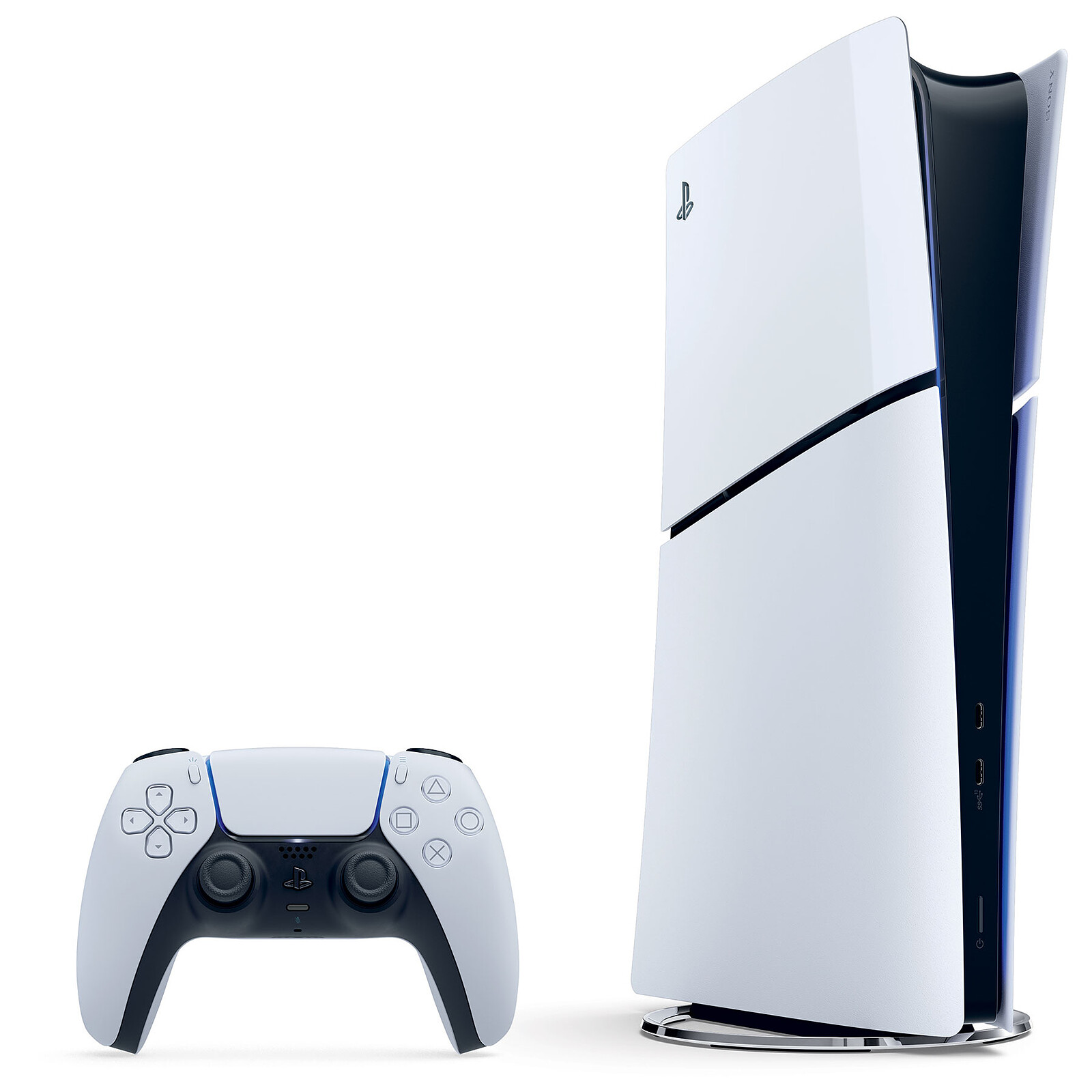
The PlayStation 5 release date arrived on November 12, 2020, in North America, Australia, New Zealand, Japan, South Korea, and Singapore, followed by a wider global rollout on November 19, 2020. This launch shattered traditional console paradigms by introducing lightning-fast custom storage architecture and advanced haptic feedback during a period of unprecedented global disruption. Sony Interactive Entertainment structured the rollout to balance a standard console equipped with an Ultra HD Blu-ray disc drive alongside a streamlined Digital Edition, setting a new commercial standard for hardware tiering.
Understanding this hardware milestone requires looking past the marketing slogans to examine how logistics, engineering choices, and supply constraints shaped the ninth generation of video games. The transition away from mechanical hard drives to solid-state architecture altered game design mechanics permanently, eliminating hidden loading corridors and transforming pacing across major franchises.
The Launch Timeline and Global Rollout
Sony staged the rollout into two distinct waves. The first wave hit shelves on November 12, 2020, covering key markets like the United States, Japan, and Australia. Exactly one week later, on November 19, 2020, the console debuted across Europe, the Middle East, South America, and the rest of the world. Subsequent regional launches followed into early 2021, including the Philippines, India, and mainland China, as manufacturing output gradually ramped up.
Demand immediately outstripped available inventory. The global semiconductor shortage, factory shutdowns, and spikes in home entertainment demand created persistent retail bottlenecks. Scalper bot networks compounded the scarcity, making standard retail purchases nearly impossible for months. Consumers had to rely on unpredictable online restock trackers, turning the acquisition of a console into an exhausting digital endurance test. Despite these distribution hurdles, Sony shipped 7.8 million units by the end of its first fiscal year, establishing a strong baseline for the platform.
Architectural Shifts: Why the Custom SSD Mattered
Previous console generations relied heavily on mechanical hard disk drives (HDDs), which introduced severe bottlenecks in asset streaming. Developers had to design intricate tricks—such as winding corridors, elevator rides, and forced slow walks—to mask asset loading times. The PlayStation 5 replaced this mechanical limitation with a custom-designed integrated PCIe 4.0 NVMe Solid State Drive (SSD) paired with a high-throughput hardware decompression block.
- Throughput Speeds: Raw data transfer rates reached 5.5 GB/s, scaling up to 8-9 GB/s for compressed data.
- Asset Streaming: Instantaneous loading eliminated texture pop-in and allowed open-world streaming engines to render complex geometry at high speeds.
- Memory Management: Developers could load assets dynamically into the system's 16GB of GDDR6 RAM on demand, freeing up processing overhead for physics and AI calculations.
This hardware shift altered game design philosophy. Studios no longer needed to duplicate asset files across a slow storage platter to reduce seek times, which streamlined file sizes and accelerated development workflows for next-generation titles.
The DualSense Controller and Sensory Immersion
The hardware upgrade extended beyond internal processing power to redefine physical player input. Sony retired the legacy DualShock line in favor of the DualSense controller, introducing two defining technological pillars: haptic feedback and adaptive triggers.
Traditional rumble motors relied on unbalanced weighted rotors that produced a blunt, uniform vibration. The DualSense substituted these with dual voice-coil actuators that generated precise, nuanced physical sensations. Players could physically feel distinct surface textures—such as trudging through deep snow, splashing through rain puddles, or grinding across metallic rails.
Meanwhile, adaptive triggers featured dynamic resistance mechanisms controlled by internal motors. Developers could program the triggers to push back against the player's fingers, simulating the heavy tension of drawing a bowstring, the mechanical jamming of an assault rifle, or the resistance of brake pedals during tight turns. This tactile integration created a deeper layer of immersion that rival hardware manufacturers subsequently adopted in their own peripheral designs.
Commercial Success and Subsequent Iterations
Over the years, Sony refined the console's physical footprint and internal layout. In late 2023, a redesigned "Slim" model launched, featuring a modular detachable disc drive and a reduced volume profile that lowered shipping and manufacturing costs. By mid-2026, cumulative hardware sales surpassed 95 million units, positioning the platform closely behind the historical trajectory of the PlayStation 4 while navigating shifting economic landscapes.
To maintain momentum, Sony expanded the hardware ecosystem with specialized variations, including the high-performance PS5 Pro introduced to deliver higher frame rates without sacrificing ray-tracing fidelity. These revisions kept the platform competitive as consumer expectations shifted toward higher resolutions and smoother performance targets.
Common Misconceptions Regarding the Launch
Public perception surrounding the early years of the console often conflates supply chain failures with lack of consumer demand.
- Myth: The console sold poorly at launch. Reality: It was actually the fastest-selling console in Sony's history during its initial launch window, but sales velocity was artificially throttled by component shortages rather than weak consumer interest.
- Myth: The Digital Edition was unprofitable from day one. Reality: While initial hardware configurations were sold at a slight manufacturing deficit, digital software purchases quickly offset hardware subsidies, transforming the digital tier into a high-margin product line.
- Myth: Backward compatibility was an afterthought. Reality: Engineering the system to natively support nearly the entire PS4 library required complex silicon-level adjustments to handle legacy instruction sets efficiently.
Frequently Asked Questions
What was the original launch price of the console?
The standard model with an Ultra HD Blu-ray disc drive launched at $499 USD, while the Digital Edition launched at $399 USD. Regional pricing varied based on local taxes and import tariffs.
How much storage space does the base model include?
The launch model featured an 825GB custom SSD. Because the system software and reserved cache occupy a portion of that space, users had roughly 667GB of usable storage for games and media apps.
Can you expand the internal storage?
Yes. The console features an accessible expansion slot under the faceplate, allowing users to install a certified PCIe 4.0 M.2 NVMe SSD that meets Sony's minimum read-speed requirements of 5,500 MB/s.
Why were units so difficult to find during the first two years?
A combination of pandemic-related factory closures, soaring demand for home electronics, a worldwide semiconductor deficit, and automated scalper purchasing bots drained retail inventories instantly upon restock.



