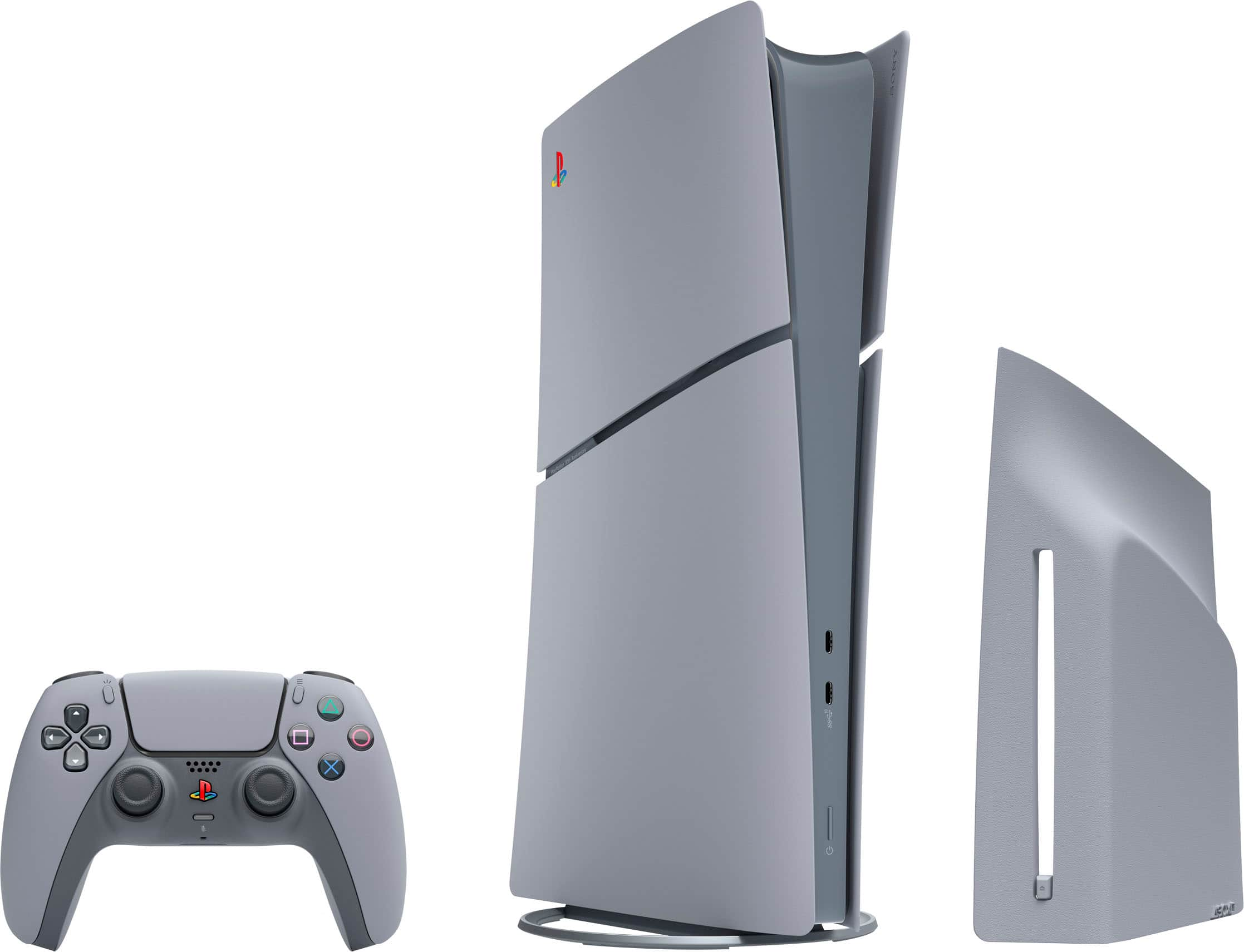
The PlayStation 5 arrived on November 12, 2020, changing home console architecture through custom ultra-high-speed solid-state drive integration. Sony designed the hardware around precise data-streaming throughput rather than incremental processing bumps. This shift eliminated mechanical hard drive bottlenecks that had restricted game design for decades, setting a technical benchmark for the ninth generation of video games.
Behind this hardware leap lay a calculated industry strategy. Releasing a flagship device during global supply chain shifts and high-demand holiday windows presented immediate manufacturing hurdles, but it positioned Sony to capture an expanding digital audience. We'll examine how custom input systems, structural SSD speeds, and architectural planning redefined interactive entertainment.
The Architectural Shift: Moving Past Mechanical Limits
For generations, console developers designed games around the slow rotational speed of mechanical hard disks. Developers used clever asset streaming, elevator rides, and long corridor squeezes to mask loading screens while data pulled from the disk. The custom storage controller inside the PS5 bypassed these workarounds entirely.
By pairing a custom NVMe SSD architecture with a dedicated hardware decompression block, the system achieved raw data transfer rates capable of feeding the main processor without delay.
- Instant Asset Loading: Textures and geometry stream directly into memory in milliseconds.
- Complex World Design: Open-world titles render dense object density without pop-in artifacts.
- Seamless Transitions: Fast travel screens shrink into brief animations or disappear completely.
This technical shift meant developers could pack entire game worlds with high-fidelity assets without worrying about streaming lag. Studios rebuilt their pipelines to exploit this throughput, changing how players move through virtual spaces.
DualSense Innovation and Haptic Feedback
Hardware value extends beyond raw processing power into how players interact with digital environments. The DualSense wireless controller replaced traditional rumble motors with dual actuators, offering dynamic resistance and localized tactile sensations.
Adaptive triggers let software developers program physical tension directly into the buttons. Pulling a heavy bowstring feels different from squeezing a pistol trigger or driving a car over rough terrain.
- Tactile Textures: Walking through sand, rain, or ice transmits distinct vibrations to your palms.
- Resistance Profiles: Triggers push back against your fingers based on in-game actions.
- Audio Integration: Integrated microphones and refined speaker elements complement physical feedback.
These additions transformed sensory immersion from a visual-only medium into an active physical experience, creating deeper connections between player inputs and on-screen events.
Navigating Supply Constraints and Global Scale
The release window faced severe component shortages, high global demand, and logistical bottlenecks. Early production runs struggled to match consumer interest, turning the device into a rare commodity for many months.
Sony adapted by scaling manufacturing partnerships and optimizing distribution channels. By mid-2022, inventory stabilized across major retail markets. This stabilization shifted the console from a scarce collector's item into an accessible platform, expanding the active user base and encouraging third-party publishers to commit fully to current-generation projects.
For more context on hardware milestones, you can review official details on the PlayStation Blog.
Software Library Evolution and Ecosystem Growth
Hardware success requires a steady stream of compatible software. Sony and its global network of studios leaned into narrative-driven blockbusters alongside diverse independent releases.
Over the years, system updates introduced crucial quality-of-life additions. M.2 SSD storage expansion allowed users to slot in off-the-shelf drives to grow their game libraries easily. Social features like Share Screen and Share Play enabled remote co-op and streaming connections across millions of active accounts.
You can track historical system updates and ongoing platform features directly through Sony Interactive Entertainment.
Frequently Asked Questions
Why was the custom SSD architecture considered more important than raw GPU power?
Traditional hard drives forced developers to duplicate game assets across disks to speed up read times. The custom SSD's high throughput allowed developers to stream assets instantly, freeing up system memory and removing design constraints tied to slow loading speeds.
How do adaptive triggers work on the DualSense controller?
Adaptive triggers use internal gear mechanisms and small motors to restrict or release trigger movement dynamically. Software commands alter resistance in real time, simulating physical weight, tension, or mechanical resistance.
What storage options are available if the internal drive fills up?
Players can install compatible high-speed M.2 NVMe SSDs into the internal expansion slot. Sony and hardware manufacturers outline specific read-speed requirements and heatsink dimensions to ensure proper thermal performance.
Did the console launch with backward compatibility support?
The system supported the vast majority of the previous-generation PlayStation 4 game library at launch, letting users carry over digital purchases and physical discs with performance boosts where patched by developers.



