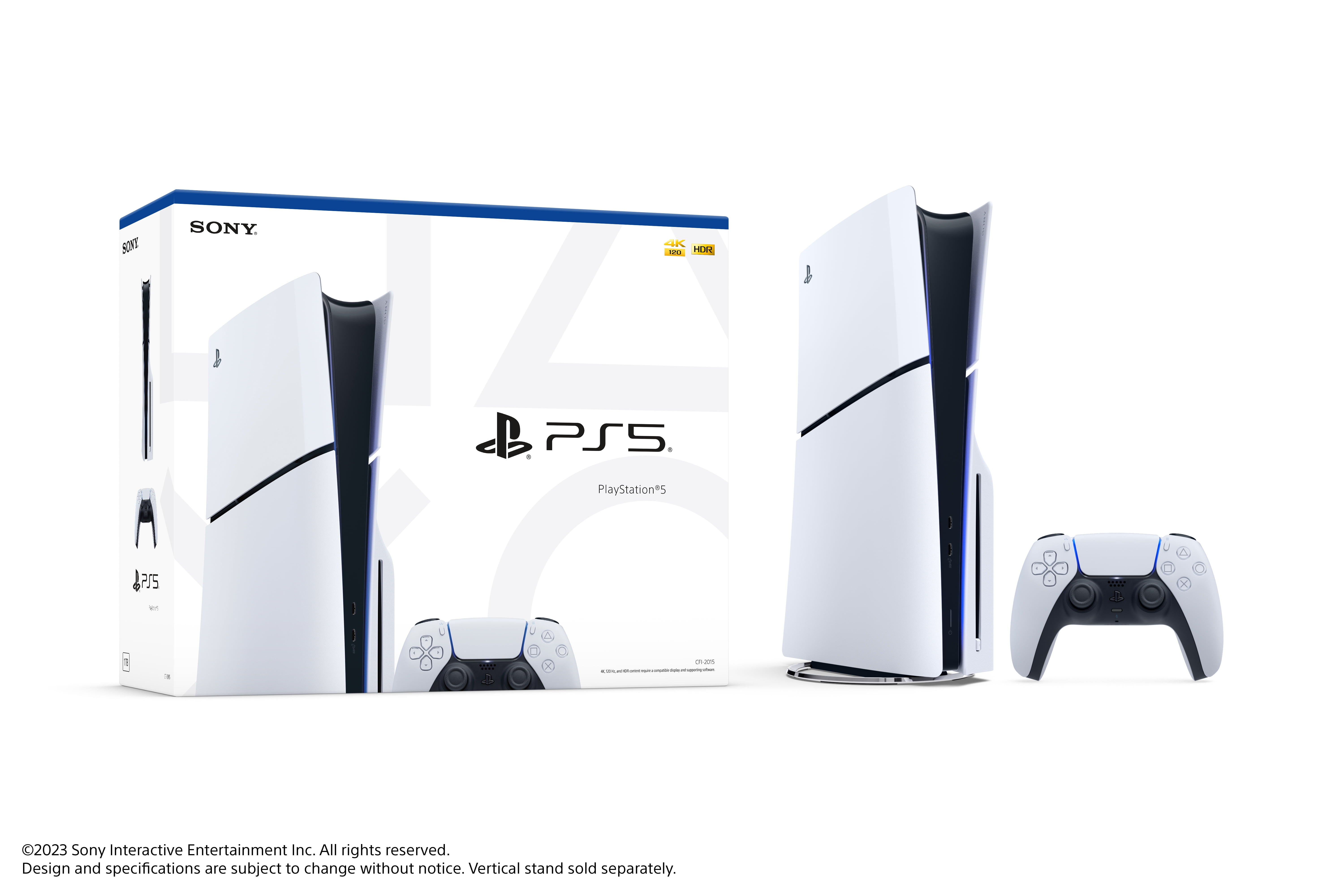
Navigating file format compatibility on the PlayStation 5 comes down to two entirely separate functions: expanding your storage for games or playing media files from a USB drive. If you plug an incompatible drive or format into your console, you'll run into error messages or blank folders. Sony's hardware demands specific file systems and strict codec parameters, and missing these details will stop your media or storage dead in its tracks.
The console relies entirely on the exFAT and FAT32 file systems for external USB drives, with exFAT taking priority because FAT32 blocks single files larger than 4GB. NTFS, the standard format for Windows computers, won't work on a PS5 at all. Understanding how the console reads these file structures ensures you don't waste hours transferring files that the system can't open.
USB Drive Formats for PS5 Storage
When you connect an external hard drive or solid-state drive to your PS5, you face a choice between using it for extended game storage or using it for media playback. The console treats these two jobs differently.
For storing and playing PS5 and PS4 games, the drive must be formatted directly by the console as USB Extended Storage. When you plug a blank or wiped drive into a rear USB port, you navigate to your system settings, locate storage options, and trigger the format sequence. The console formats the drive into a proprietary format that Windows PCs cannot read. You can't store movies or music on an extended storage drive alongside your games.
If you want to use a flash drive for movies, music, or photos, you format the drive on a computer instead.
- Insert your USB drive into a Windows or Mac computer.
- Open your disk utility tool and select the USB drive.
- Choose the exFAT file system option.
- Name your volume and execute a quick format.
Avoid FAT32 unless you're dealing with older, low-capacity drives, as modern video files routinely exceed the 4GB threshold. Once formatted to exFAT, your drive can interface cleanly with the console's media player.
Supported Video and Audio Codecs
Playing media files off a USB stick sounds simple, but the PS5 rejects common codecs like AVI or HEVC if they fall outside its narrow specifications. Even if a file extension matches, the internal encoding dictates whether the media player will boot it.
According to official PlayStation Support documentation, the console handles specific video and audio containers:
- MP4: Video encoded in H.264/MPEG-4 AVC High Profile (Level 4.2 or lower) paired with AAC LC audio.
- MKV: Video utilizing H.264/MPEG-4 AVC High Profile (Level 4.2) with AAC LC or MP3 audio.
- WebM: Video using VP9 encoding with Opus audio.
- Audio-only files: Native support for FLAC, MP3, and AAC (M4A) containers.
If you download an MKV file coded with modern HEVC (H.265) parameters, the PS5 media player will throw an unsupported file error. You'll need to transcode those files on a PC before transferring them to your USB stick.
Directory Structure and Media Playback Steps
The PS5 won't scan your entire USB drive for media files automatically. It looks for specific folder hierarchies in the root directory, and if you drop files loosely onto the drive, the media gallery might show an empty folder.
Create a clean folder layout on your exFAT drive before loading your media:
- Create a folder named Music in the root directory for your MP3 and FLAC tracks.
- Create folders for videos, or place video files directly into a designated root folder since the media player lets you browse directory trees.
- Keep image files (.jpg, .png) organized in a separate photo folder if you plan to view screenshots or personal pictures.
Plug the drive into one of the high-speed USB ports on the back of the console to ensure stable power delivery and data transfer rates. Press the PlayStation button on your controller, navigate to your media gallery or media player app, select your USB source, and choose the file you want to play.
Common Mistakes to Avoid
Users frequently run into avoidable roadblocks when managing storage and file formats on the console.
- Using front USB ports for extended game storage: The front USB-A port on older models or standard ports on some variants don't always meet the SuperSpeed USB criteria required for running games smoothly. Always use the rear USB ports for game drives.
- Forgetting data backups: Formatting a drive wipes every sector clean. Always back up important computer files before selecting the exFAT format option.
- Expecting NTFS compatibility: Windows defaults to NTFS for large external drives. Plugging an NTFS drive straight into a PS5 results in a failure to recognize the hardware. You must reformat or partition the drive first.
- Ignoring audio channel limits: Multi-channel audio tracks embedded in obscure video containers can crash the media app or play with missing dialogue tracks. Stick to standard stereo or AAC LC layouts for smooth playback.
Frequently Asked Questions
Can I play PS5 games from an exFAT USB drive?
No. While exFAT is used for USB media drives and PS4 game storage on the PS5, native PS5 games must run from the internal ultra-high-speed SSD or an approved M.2 NVMe internal SSD expansion slot. You can store PS5 game backups on an external exFAT drive, but you have to move them back to the internal SSD to play them.
Why won't my PS5 play my downloaded MKV movie?
The PS5 only supports MKV files if they use specific H.264 video encoding and AAC LC or MP3 audio. If your movie uses HEVC (H.265) or DTS audio streams, the console's media player will reject it, requiring you to convert the file on a computer first.
What is the maximum size USB drive the PS5 supports?
The console supports USB drives up to 8TB for extended storage. For exFAT media playback drives, the partition size can scale much higher, though formatting very large drives on Windows may require third-party disk management tools since Windows restricts native FAT32 formatting past 32GB (though exFAT has no such practical limit).
Do I need to safely remove my USB drive from the PS5?
Yes. Pulling a drive out while data is actively transferring can corrupt the file system table, rendering your exFAT drive unreadable on both your PC and your console. Always go to your system settings, locate the storage menu, and select the safe removal option before unplugging the hardware.



