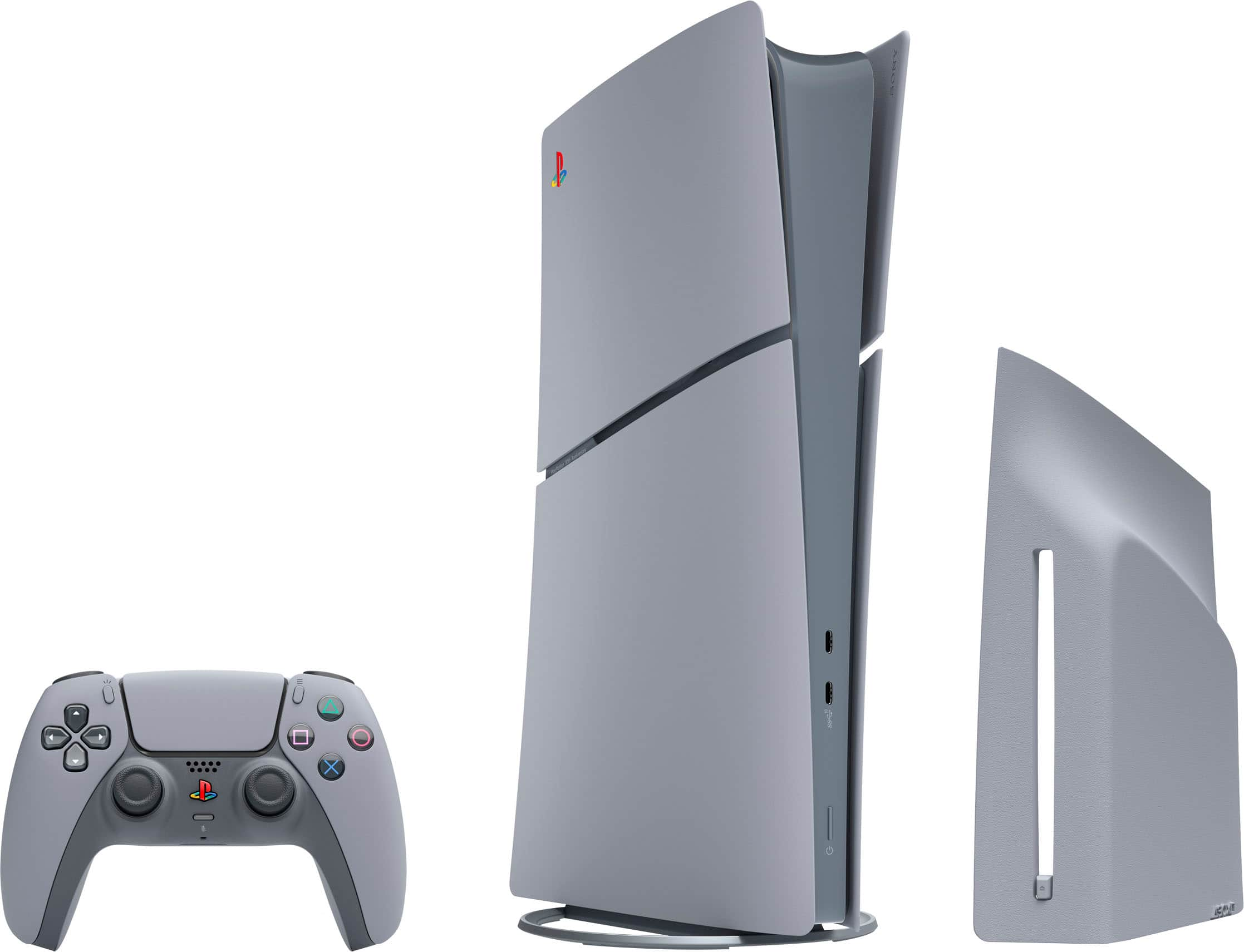
Competitive gaming in Canada has long been dominated by PC setups, but console ecosystems have steadily carved out their own competitive territory. When looking at how hardware adoption shapes regional competition, the arrival of modern hardware shifted what tournament organizers could achieve outside traditional desktop setups. Fast internet infrastructure and widespread broadband access across provinces created an environment where high-framerate console play could support serious regional brackets.
Console-based competitive gaming relies heavily on hardware accessibility, local community events, and integrated software support. While personal computers remain the standard for high-end tactical shooters and massive multiplayer titles, home consoles anchor distinct communities around fighting games, sports simulations, and racing titles. Understanding how these hardware ecosystems function requires looking past casual play to examine tournament structures, hardware constraints, and player development paths across the country.
Hardware Evolution and Competitive Readiness
The transition from older hardware generations to modern systems changed the technical baseline for console competition. Input latency, frame stability, and rendering speeds dictate whether a system can support high-level tournament play. Modern solid-state drives and improved processing cores eliminated the long loading screens and frame drops that previously plagued console brackets.
For tournament organizers running multi-title events, hardware footprint matters. Consoles offer a plug-and-play simplicity that lets venues set up dozens of stations quickly compared to configuring individual tower PCs. This logistical advantage helps local tournament organizers run smoother events in community centers, university campuses, and dedicated gaming lounges.
- Standardized Performance: Every competitor plays on identical hardware specifications, removing hardware disparity arguments from tournament matches.
- Rapid Setup Times: Compact hardware footprints allow venues to deploy rows of competitive stations in hours rather than days.
- Integrated Network Architecture: Native support for online matchmaking and party systems simplifies remote qualifier structures.
Core Game Genres Driving Console Competition
Different platforms attract distinct competitive communities. On home consoles, titles with deep roots in arcade traditions or licensed sports leagues command the largest player bases. Fighting games represent a massive pillar of console brackets, where precise frame data and local multiplayer traditions thrive.
Racing simulators also find a natural home on console hardware, especially when paired with specialized steering wheels and pedal accessories. These titles demand intense mechanical precision and long-term practice, mirroring the dedication found in traditional PC esports.
"Console esports thrive where local offline communities meet robust online matchmaking, bridging the gap between casual couch play and professional brackets."
Fighting Game Communities
Fighting games have anchored console competitive scenes for decades. Titles like Street Fighter and Tekken rely on offline local sessions, often called weeklies, where players gather in person to test matchups. Console hardware serves as the universal standard for these gatherings because major offline tournaments use them exclusively for official brackets. Canadian players frequently travel between regional hubs in Vancouver, Toronto, and Montreal to compete in these live circuits.
Racing and Sports Simulations
Racing titles benefit immensely from specialized peripheral support on modern consoles. Competitors invest heavily in force-feedback steering rigs to shave milliseconds off lap times. Because these games closely mirror real-world motorsport physics, they attract dedicated leagues with structured seasons, broadcast commentary, and official manufacturer sponsorships.
Infrastructure and Regional Hubs
Canada's vast geography presents unique challenges for competitive gaming infrastructure. High population density in specific urban centers contrasts with vast rural distances, making hybrid online-offline models essential for national growth. Major urban areas act as anchor points for talent incubation.
- Toronto: Serves as a central eastern hub for major LAN events, media production, and brand sponsorships.
- Vancouver: Acts as a primary gateway for Western Canadian talent, connecting local players to Pacific Northwest circuits.
- Montreal: Combines a thriving game development industry with active collegiate and amateur tournament scenes.
Post-secondary institutions across these regions also integrated competitive gaming into student life. Collegiate leagues give players structured environments to hone teamwork and communication skills before entering open professional brackets. For more details on broader regional industry shifts, check out resources from Deloitte regarding digital platform evolution.
Common Pitfalls in Console Tournament Training
Players transitioning from casual play to competitive console circuits often run into specific operational roadblocks. Recognizing these errors helps competitors structure their practice more effectively.
- Neglecting Offline Practice: Relying solely on online matches introduces variable network latency that distorts reaction times for timing-sensitive genres.
- Ignoring Ergonomics: Long practice sessions on standard controllers can lead to repetitive strain injuries without proper hand placement and stretching breaks.
- Failing to Analyze Replays: Grinding matches without reviewing mistakes prevents players from identifying bad habits in high-pressure situations.
- Disregarding Hardware Maintenance: Neglecting clean ventilation for hardware units during intense tournament conditions can cause thermal throttling and sudden frame drops.
For a broader perspective on how digital entertainment and competitive markets are tracking nationwide, industry data from sources like Market Research Future highlights ongoing economic expansion across the sector.
Frequently Asked Questions
What makes console esports different from PC esports?
Console esports rely on standardized hardware where every competitor uses identical system specifications. This eliminates hardware performance gaps, though consoles traditionally feature fewer real-time strategy and complex tactical shooter titles compared to PC platforms.
How do local offline tournaments impact player growth?
Local offline events, or LANs, provide zero-latency environments and face-to-face interaction. This setting builds community ties, exposes players to high-level competition, and prepares talent for larger regional championships.
Are steering wheel peripherals required for competitive racing games?
While top-tier competitors use high-end force-feedback wheels for maximum precision, many players start with standard controllers. Success depends more on track knowledge and throttle control than expensive hardware setups.
How do Canadian players qualify for major international console events?
Players typically advance through a mix of regional online qualifiers, localized LAN events, and circuit point systems that award berths based on consistent placement across multiple tournaments throughout the year.



