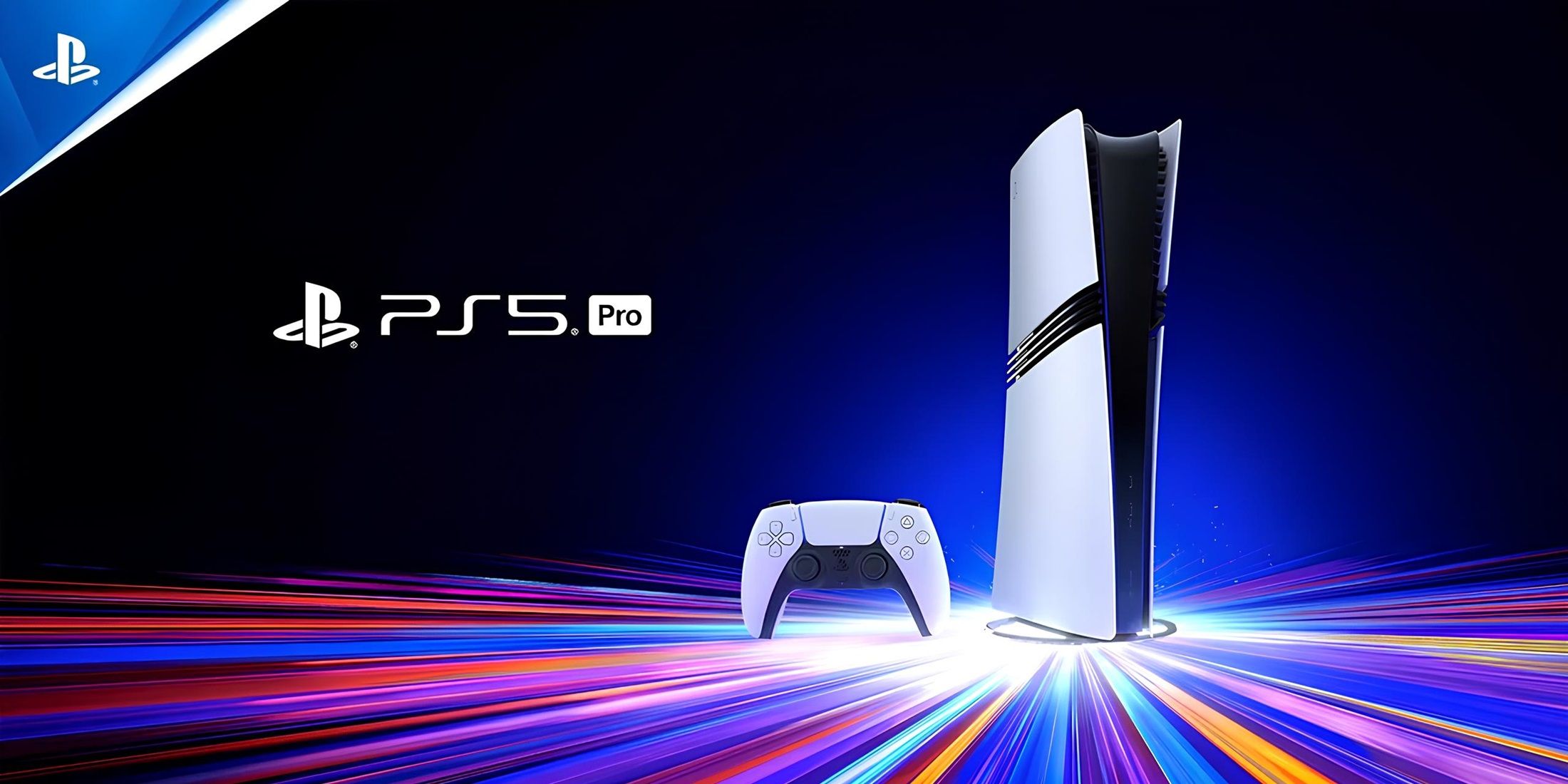
PlayStation 5 dominance stems from a potent mix of robust hardware engineering, strategic brand loyalty, and a massive installed base that commands over seventy percent of the high-end console market. While competitors stumbled through mixed messaging and subscription model shifts, Sony secured a commanding lead by doubling down on premium single-player experiences, strong third-party publisher partnerships, and steady hardware refinements like the slim revision.
Understanding why the console keeps breaking sales records—nearing 95 million units shipped worldwide—requires looking past simple fan loyalty. It's about how supply chain execution, developer pipelines, and ecosystem lock-in created a runaway flywheel effect that's tough for rivals to disrupt.
The Hardware Foundation and Supply Chain Resilience
Sony didn't win this generation by accident; they won by stabilizing hardware distribution faster than anyone expected. Early launch bottlenecks caused by global component shortages tested consumer patience, but Sony adapted by redesigning internal layouts and securing long-term semiconductor contracts.
Custom Silicon and SSD Architecture
The custom storage controller remains one of the smartest engineering choices in modern hardware design. Instead of matching raw teraflop counts on paper, Sony built an input-output bottleneck breaker.
- Ultra-fast custom SSD: Eliminates traditional asset loading bottlenecks, allowing developers to stream dense worlds without clever hallway squeezes or hidden elevator rides.
- Tempest 3D AudioTech: Offloads spatial audio processing from the main CPU, delivering immersive soundstages without requiring expensive external receiver setups.
- DualSense integration: Haptic feedback and adaptive triggers moved the controller from a basic input device to a core gameplay differentiator that third-party developers readily support.
First-Party Studios and the Exclusivity Engine
Exclusives anchor the entire PlayStation ecosystem. Even as Sony experiments with selective multi-platform releases for live-service projects, marquee narrative blockbusters remain tethered to the console. Titles like God of War Ragnarök, Astro Bot, and Ghost of Yōtei give consumers a definitive reason to choose the hardware over a gaming PC or rival systems.
This software strategy creates a psychological safety net for buyers. When you purchase a PlayStation, you're buying a VIP pass to cultural touchstones that you can't play anywhere else at launch. Third-party publishers notice this concentration of active spenders, directing their marketing efforts and early promotional tie-ins straight to Sony's platform. According to industry tracking, the console frequently captures the lion's share of AAA single-player launch sales, reinforcing why developers prioritize optimization for the platform.
Digital Ecosystem and Service Evolution
Hardware sales are only half the battle; recurring digital revenue drives the long-term health of the division. The PlayStation Network operates like a well-oiled digital storefront, capturing a thirty percent cut of billions of dollars in microtransactions, add-ons, and third-party game sales.
Sony restructured its subscription tiers to counter aggressive subscription models elsewhere in the industry, offering a curated library of classic and modern titles through PlayStation Plus. Instead of putting major day-one blockbusters straight into a low-cost subscription service—which can cannibalize baseline software sales—Sony relies on timed trials, seasonal content drops, and high-value add-ons. This preserves the perceived value of games while securing steady, predictable monthly cash flow.
Common Misconceptions About Console Leadership
Market dominance often breeds myths about how and why a platform succeeds. Let's clear up a few persistent misconceptions:
- Myth: Raw hardware specs dictate winner status. In reality, ease of development and toolset maturity matter far more to studios than minor spec sheets. Developers prefer building for an architecture they understand deeply.
- Myth: Exclusives no longer matter. While porting older titles to PC brings extra revenue, the initial launch window exclusivity remains the primary engine driving console adoption.
- Myth: Price cuts are required to maintain momentum. Sony managed steady sales velocity even through hardware price adjustments because the perceived value of the ecosystem outweighs minor cost variations.
Frequently Asked Questions
How many PlayStation 5 consoles have been sold worldwide?
Lifetime shipments for the console are approaching 95 million units globally, keeping pace closely with historical trajectories of past market leaders.
Why do third-party developers focus so heavily on PlayStation?
Because the installed user base actively buys software at a higher rate per capita, particularly for single-player narrative games and blockbuster action titles.
Are PlayStation games still coming to PC?
Sony takes a calculated approach, keeping single-player blockbusters exclusive to the console during their crucial launch windows while occasionally bringing select titles to PC much later.
What makes the DualSense controller different from standard controllers?
Advanced haptic voice coils and adaptive triggers provide tactile feedback—such as tension pulling a bowstring or textures representing different terrain surfaces—that standard rumble motors can't replicate. You can learn more about official hardware specifications on the PlayStation Official Site.



