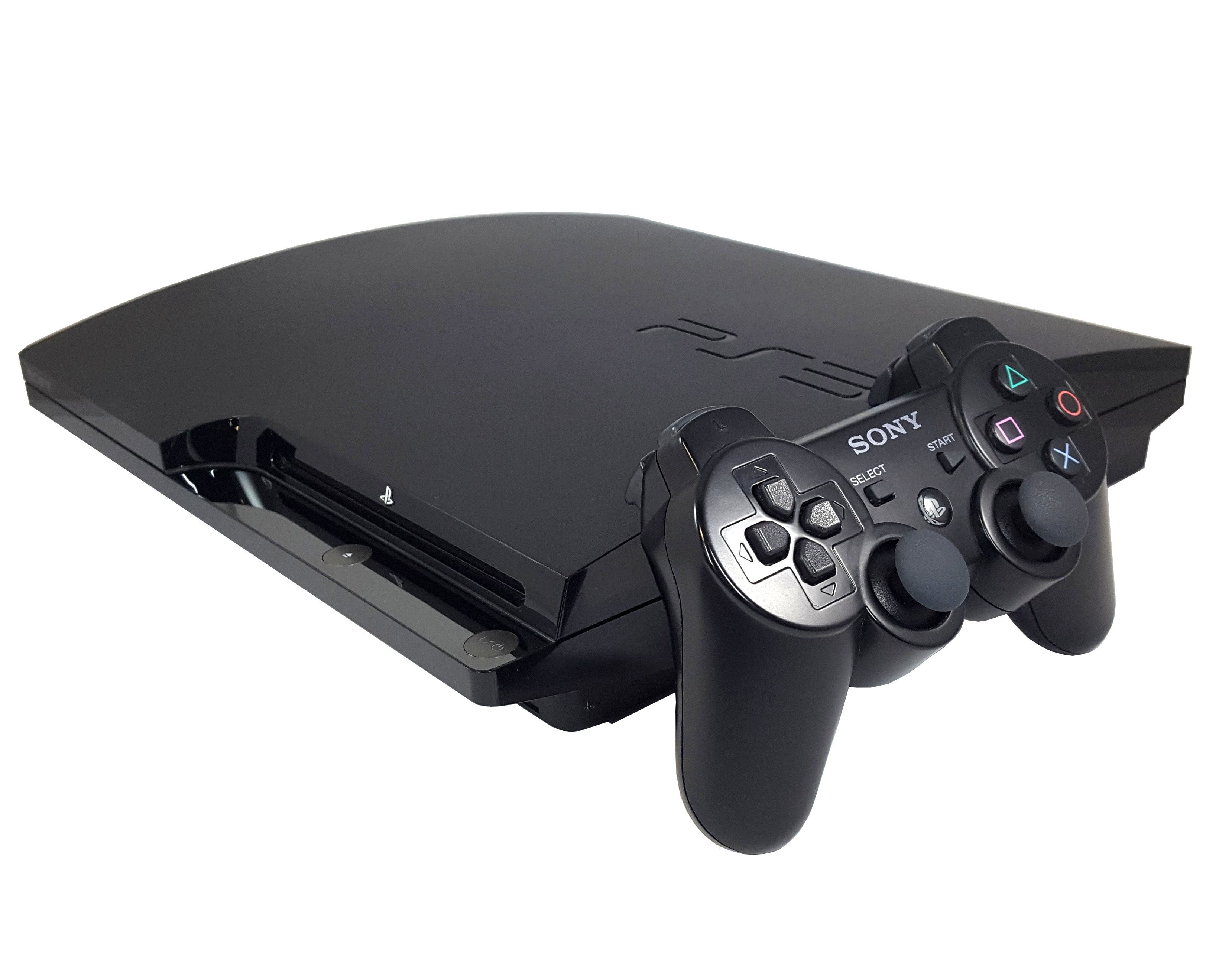
Managing your digital library on the seventh-generation console involves mastering directory hierarchies, specifically how the system reads directory structures. If you're tired of rigid default layouts, understanding PS3 game folder HEN customization gives you total control over file organization, dashboard titles, and storage management. Instead of wrestling with stock firmware restrictions, homebrew utilities let you tweak executables and directories directly on your hard drive.
Sony's seventh-generation console launched with strict security sandboxes designed to block unauthorized code. Over time, independent developers bypassed these checks using exploits like PlayStation 3 software updates and kernel patches, leading to the creation of hybrid firmware solutions. Within this ecosystem, folder management utilities emerged to give advanced users granular control over directory naming, attributes, and file paths without requiring complex command-line scripts.
Core Technical Mechanics
Modifying directory layouts on the console isn't just about dragging files around. The system relies on specific system files to recognize, boot, and display titles on the XrossMediaBar.
Every valid game directory contains core configuration files that dictate behavior:
- EBOOT.BIN: The primary executable file responsible for launching the game binary.
- PARAM.SFO: A small parameter file containing metadata like the title ID, region, parental control level, and the display name shown on the dashboard.
- PS3_GAME Directory: The parent container holding all asset files, updates, and system data.
Folder manipulation tools interact directly with these files. By editing the PARAM.SFO or adjusting directory attributes, you can alter how titles appear on your dashboard. This process doesn't break encryption or alter core game assets; instead, it leverages debug flags and filesystem permissions to let you organize your storage your way.
Step-by-Step Directory Reorganization
If you want to clean up your drive layout or group specific titles together, you'll need a structured approach. Follow these practical steps to modify your directory attributes safely.
- Prepare Your Environment: Ensure your console runs a stable version of hybrid firmware, such as PS3Hen, which enables homebrew execution and grants write access to internal storage directories.
- Access the File Manager: Open a trusted file manager utility or FTP client connected to your console's internal hard drive or external USB storage device.
- Locate the Target Directory: Navigate to your games directory, typically found under
dev_hdd0/game/or your designated external folder path. - Modify Metadata: Open the target directory, locate the PARAM.SFO file, and use a parameter editor to update the title string to your preferred display name.
- Adjust Folder Permissions: Ensure read, write, and execute permissions are properly set so the system can index the modified directory upon reboot.
- Refresh the Dashboard: Restart your console or refresh the dashboard cache to see your newly organized custom layout in action.
Practical Applications and Use Cases
Why go through the trouble of modifying directory paths? Beyond simple aesthetics, directory customization solves several common frustrations for retro enthusiasts and digital curators.
Customizing your file layout lets you streamline how you interact with your library every day. Instead of scrolling past messy debug IDs or redundant version numbers, you can assign clean, uniform names to every entry on your dashboard.
Furthermore, users managing large libraries across external hard drives benefit from consistent folder hierarchies. Keeping your directory structures standardized prevents indexing errors when swapping storage media or running backup managers. It also helps isolate game updates and patch files, ensuring that cleaning up obsolete data doesn't accidentally delete your saved progress.
Common Pitfalls and Troubleshooting
Modifying system files carries risks if you aren't careful. Watch out for these frequent mistakes when tinkering with your console storage.
Altering the wrong directory path can render titles invisible on your dashboard. Always double-check that your parent folder retains its exact alphanumeric Title ID (for example, BLUS12345). If you rename the root folder instead of editing the internal metadata, the system won't recognize the executable.
Another frequent error involves permission mismatches. If you transfer directories using a computer running a different file system, permission flags can get stripped or corrupted. Always verify that your file attributes allow read access for standard user accounts before launching software from the dashboard.
Frequently Asked Questions
Do I need custom firmware to use directory customization tools?
Yes, stock console software enforces strict sandboxing that blocks unsigned homebrew tools and prevents raw access to internal storage directories. You need a compatible exploit or hybrid firmware environment to execute file managers and modify system flags.
Will modifying folder names break my game saves?
Saved progress is tied to the unique Title ID folder located in a separate directory path, not the game's installation folder. However, changing internal system parameters incorrectly can occasionally disrupt save paths for specific titles, so always back up your saves first.
Can I organize my games into custom sub-folders?
While you can group backup folders on external USB drives using specific manager formats, internal storage paths require strict adherence to the console's default directory hierarchy to ensure proper indexing by the system dashboard.
Is it safe to edit PARAM.SFO files manually?
Manual hex editing can easily corrupt the file structure if you aren't careful. It's much safer to use dedicated graphical parameter editors designed specifically for console file management.



