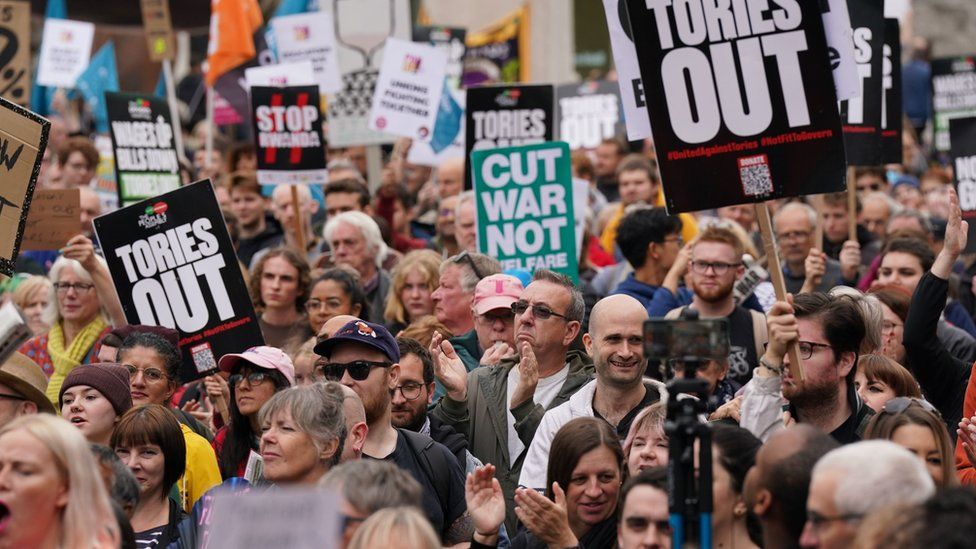
When thousands flood the streets of the UK capital, carrying handmade banners and chanting slogans past Whitehall, they aren't just making noise. They're engaging in a historic form of political pressure. A protest in London carries unique weight because it happens directly outside the seat of government, forcing policymakers to look out their office windows and confront public discontent face-to-face.
Measuring the true impact of these demonstrations goes far beyond counting heads on a Saturday afternoon. While media outlets fixate on crowd sizes and traffic disruption, genuine political influence is measured through legislative shifts, media framing, long-term coalition building, and changes in public opinion. Let's break down how grassroots movements mobilize in the capital and how political scientists actually evaluate whether a march achieves its goals.
The Anatomy of a London Mobilization
Organizing a major demonstration in central London requires months of planning, legal coordination, and logistical overhead. Groups don't simply show up at Trafalgar Square; they navigate a complex framework of public order laws and policing agreements.
Navigating Legal Frameworks and Policing
The Metropolitan Police manage thousands of demonstrations each year. Under UK public order legislation, organizers must give notice for static assemblies and marches, allowing authorities to impose conditions regarding routes, timings, and noise levels.
- The Notice Period: Organizers generally coordinate with police weeks in advance to agree on safety corridors.
- Public Order Restrictions: Recent legal updates grant police broader powers to restrict protests that cause serious disruption to community life or access to essential services.
- Marshaling and Safety: Activist groups deploy trained marshals wearing high-visibility vests to manage crowd flow, separate groups from counter-protesters, and liaise directly with police commanders.
How Public Impact is Actually Measured
Politicians often dismiss protests as temporary inconveniences, but behind closed doors, policy advisors track public sentiment shifts closely. We can categorize the impact of these events into four distinct pillars.
Legislative and Policy Shifts
The most direct form of success is a change in government policy. For instance, mass climate mobilizations and anti-racism rallies in recent years didn't achieve immediate legislative rewrites, but they forced opposition parties to adopt stronger manifesto commitments. When a march disrupts business as usual, it signals to lawmakers that the cost of inaction is rising.
Media Agenda Setting
If an issue doesn't make the evening news or trending feeds, it struggles to gain traction. A well-organized march acts as a magnet for journalists. By controlling the visual narrative with striking placards, unified messaging, and high-profile speakers, grassroots groups can hijack the national news cycle for days, shifting public debate toward their chosen issues.
Coalition Building and Resource Growth
Marches serve as physical nodes for disparate activist networks. Volunteers sign up, mailing lists grow, and smaller community groups pool resources. For example, major coalitions often see spikes in recurring donations and local chapter sign-ups in the weeks immediately following a high-visibility capital demonstration.
Shifting the Overton Window
The Overton Window defines the range of ideas tolerated in public discourse. Radical demands—such as sweeping economic reforms or strict environmental regulations—often start as fringe concepts chanted on London streets. Over time, repeated public pressure normalizes these ideas, pushing them from the political margins into mainstream parliamentary debates.
Common Mistakes That Weaken Activist Impact
Not every march achieves its aims. Poorly managed demonstrations often backfire, alienating potential allies and wasting valuable resources.
- Failing to Define Clear Demands: When a march lacks a specific legislative ask, media coverage focuses entirely on traffic chaos rather than the core grievance.
- Ignoring Coalition Politics: Purity tests among activist factions often lead to splintered groups marching separately, diluting their collective bargaining power.
- Neglecting Digital Amplification: Physical presence in London is only half the battle. Groups that fail to broadcast live updates, share high-res imagery, and sustain online discourse watch their momentum fade by Monday morning.
Frequently Asked Questions
Do protests in London actually change government policy?
Rarely overnight, but they play a critical role in long-term campaigns. They signal electoral risk to sitting MPs, force media coverage, and build organized pressure blocks that can influence upcoming elections or parliamentary votes.
Who pays for the policing of major London demonstrations?
Large-scale public demonstrations are policed using local and national law enforcement budgets. When repeated protests strain police resources, it often triggers public debates about the financial and operational costs borne by taxpayers and the Metropolitan Police.
How do organizers estimate crowd sizes?
Estimates often vary wildly between police forces and organizers. Police typically use aerial footage, CCTV analysis, and density calculations based on the square footage of the marching route, whereas organizers tend to base numbers on ticket sales, transport data, and the sheer volume of distributed campaign materials.
Can the UK government completely ban a protest?
Under human rights legislation, peaceful assembly is protected. While the Home Office and police can place strict conditions or temporary bans on specific routes or static assemblies to prevent severe public disorder, a blanket ban on all protesting is unlawful.


