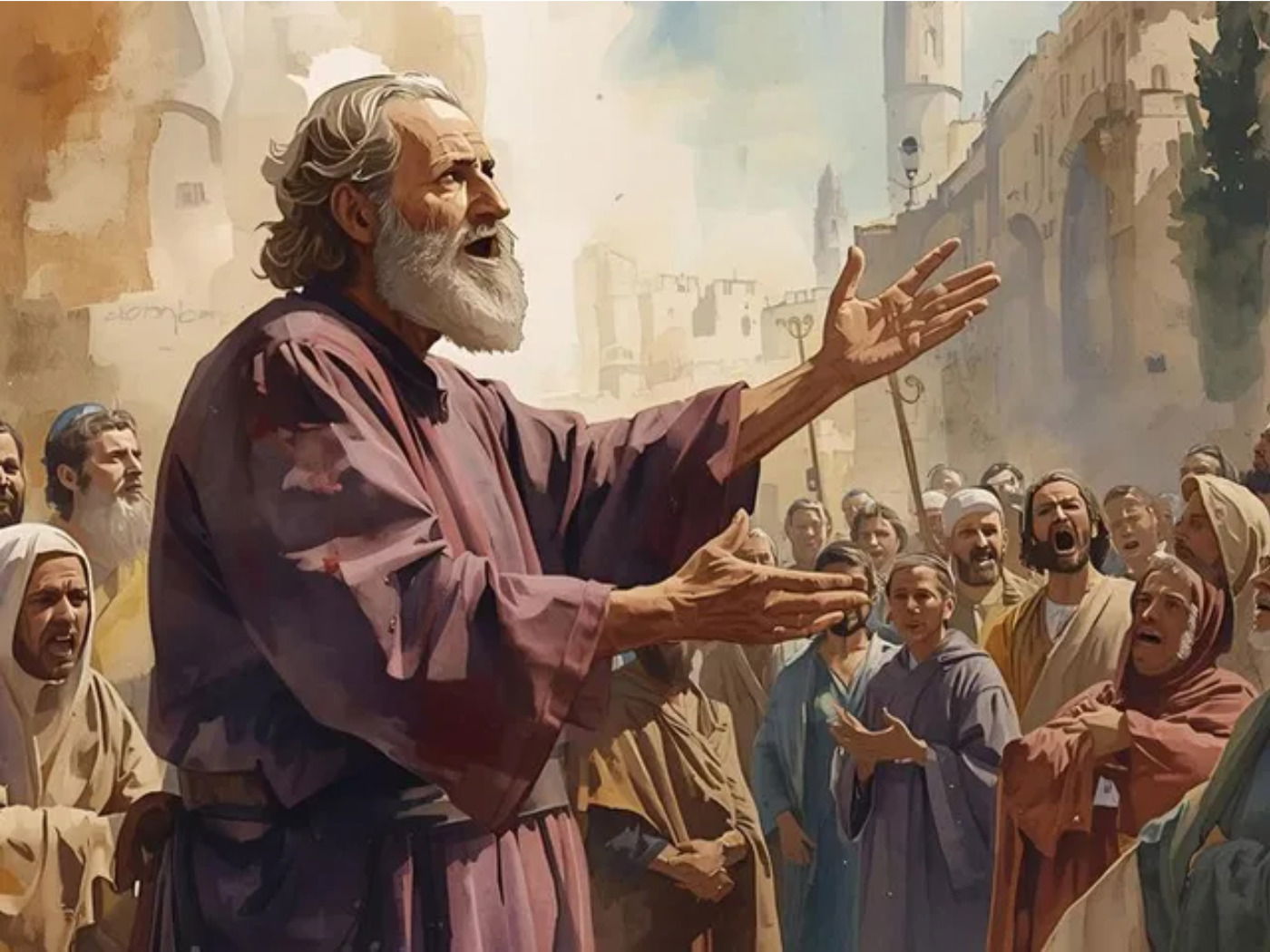
The legacy of Prophet Adam, recognized as the first human and the primordial prophet in Abrahamic traditions, stretches far beyond his creation from clay. Scholars, historians, and theologians have spent centuries exploring the narrative framework surrounding his time on Earth, his repentance, and the spiritual foundation he established for humanity. While popular culture often searches for physical artifacts or legendary relics associated with early antiquity, the true core of Adam's legacy lies in his theological framework: strict monotheism, personal accountability, and the mechanism of sincere repentance.
Understanding Adam's faith requires looking closely at primary religious texts rather than speculative archaeology. Across various traditions, his journey from the Garden of Eden to the terrestrial realm defined the relationship between Creator and creation. This exploration breaks down his core beliefs, the historical context of his mission, and why his spiritual blueprint remains central to billions of believers today.
The Theological Framework of Prophet Adam
Adam's worldview was shaped by direct communion with the divine. Unlike later prophets who received revelations through intermediaries or scriptures, Adam's initial understanding of existence was experiential. According to traditional exegesis, he was endowed with language, the capacity for reason, and an innate recognition of divine sovereignty.
His faith centered on pure monotheism, known in Islamic theology as Tawhid. This belief system rejects any intermediaries in worship and establishes that human purpose is tied to stewardship (khalifah) on Earth.
- Direct Divine Instruction: Adam was taught the names and properties of creation, giving him a framework to understand the physical world not as something to worship, but as a resource to manage responsibly.
- The Concept of Free Will: His narrative introduces moral agency. The capacity to choose obedience over transgression made human history possible.
- Accountability and Repentance: When Adam transgressed by eating from the forbidden tree, his immediate reaction was remorse, setting a precedent that human error can always be resolved through direct repentance without sacrificial intermediaries.
Historical Traditions and the Search for Relics
The phrase "lost relics" often draws imagination toward physical items like clothing, altars, or tools from the dawn of humanity. However, mainstream theology and historical documentation treat physical relics of Adam as legendary rather than historically verifiable.
Ancient and medieval chroniclers, such as the Syriac scholar Ephrem the Syrian, documented extensive narratives concerning Adam's grief after leaving paradise and his reliance on divine mercy. Over centuries, various locations became associated with his later life and final resting place. For instance, traditions place his grave variously in the Abu Qubays cave near Mecca or linked to Jerusalem and Najaf.
Rather than surviving physical artifacts, the "relics" left behind by Adam are conceptual and spiritual:
- The Blueprint of Law: Basic moral codes regarding family structure, justice, and the prohibition of murder—highlighted early in the accounts of his sons Cain and Abel.
- The Tradition of Supplication: Specific phrases of repentance taught to Adam became foundational templates for prayer in subsequent Abrahamic practices.
- The Succession of Knowledge: Before his passing, Adam passed his knowledge and spiritual mantle to his son Seth (Shiith), ensuring continuity of monotheistic guidance.
You can read more about foundational historical perspectives on early prophetic narratives through resources like Wikipedia's entry on Adam in Islam.
Common Misconceptions About Early Prophetic Beliefs
When analyzing the history of the first prophet, several common errors surface in modern commentary. Clearing these up helps separate folklore from textual reality.
- Confusing Mythology with Scripture: Many popular internet theories conflate Mesopotamian creation epics with the specific narrative found in the Quran and canonical hadiths, assuming they share identical theological mechanics.
- The Nature of Relics: Unlike later religious traditions that preserve physical hairs, cloaks, or staff relics (such as those associated with later prophets), no authentic institutional framework verifies any physical object belonging to Adam.
- The Timeline of Civilization: Traditional accounts do not depict early humans as primitive cave dwellers devoid of intellect; rather, Adam is described as fully articulate, intelligent, and possessing sophisticated moral awareness from day one.
For official theological clarifications on how relics and historical sites are viewed within traditional jurisprudence, consult institutions such as Egypt's Dar Al-Ifta.
Frequently Asked Questions
What are the primary beliefs attributed to Prophet Adam?
Adam's core beliefs centered on strict monotheism, recognition of divine omnipotence, moral accountability, and the acceptance of human free will paired with personal responsibility for mistakes.
Are there any authentic physical relics of Prophet Adam left on Earth?
No. Mainstream historians and theologians agree that no verified physical artifacts, tools, or personal items belonging to Adam exist today. References to relics are largely folkloric or symbolic.
How do Abrahamic traditions view Adam's mistake and repentance?
His transgression in the garden is viewed as a human lapse in memory or judgment under temptation, rather than an inherited permanent stain on humanity. His immediate, sincere repentance was accepted, establishing the principle that individuals are responsible solely for their own actions.
Who succeeded Adam after his passing?
According to historical and traditional accounts, Adam appointed his son Seth (Shiith) to guide his family, preserve moral laws, and continue teaching monotheism to future generations.



