Transcription in prokaryotes takes place directly in the cytoplasm. Because bacteria and archaea lack a membrane-bound nucleus, their genetic material floats freely in a region called the nucleoid. This structural absence changes how gene expression works, setting prokaryotic systems apart from eukaryotic cells.
Without a nuclear envelope blocking access, cellular machinery interacts with DNA instantly. RNA polymerase binds straight to the template strand in the cytoplasm, allowing transcription and translation to happen at the same time. This direct setup speeds up cellular responses to changing environmental conditions.
The Cellular Environment of Prokaryotic Transcription
Prokaryotic cells rely on a streamlined interior. Bacteria like Escherichia coli contain their entire genome within the cytoplasm. When a gene needs to be expressed, RNA polymerase doesn't wait for export signals or nuclear transport.
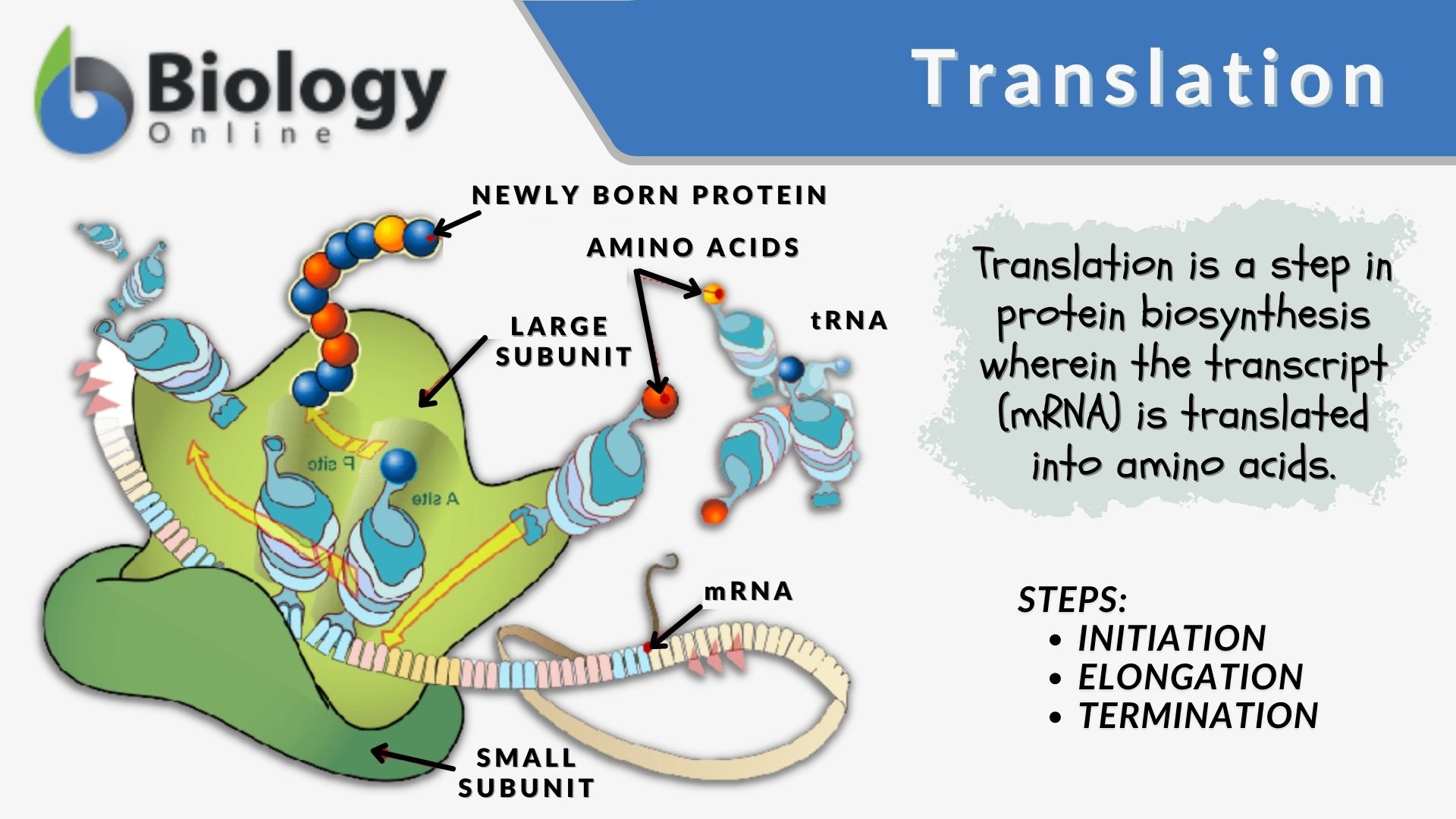
The cytoplasm provides an open workshop. Ribosomes can attach to the messenger RNA strand while it's still being synthesized by RNA polymerase. This coupling prevents delays found in eukaryotes, where transcripts must be modified and shipped out of the nucleus before protein synthesis begins.
- The DNA template resides in the unsecured nucleoid region.
- RNA polymerase moves freely through the cytoplasm to locate promoters.
- Ribosomes dock on nascent RNA transcripts immediately.
For a detailed look at structural differences in cellular organization, visit the National Center for Biotechnology Information.
Core Stages of Transcription in Prokaryotes
The mechanism of transcription follows three distinct phases: initiation, elongation, and termination. Each phase relies on precise molecular interactions within the cytoplasmic environment.
Initiation
Initiation begins when the RNA polymerase holoenzyme recognizes specific DNA sequences upstream of the gene. These regions, known as the -10 and -35 consensus sequences, guide the enzyme to the correct starting point. The sigma subunit helps the core enzyme anchor securely to the promoter. Once bound, the DNA strands part to form an open transcription bubble.
Elongation
During elongation, the sigma subunit detaches, leaving the core enzyme to travel along the template strand. RNA polymerase synthesizes the RNA transcript in the 5' to 3' direction. The speed of this process reaches roughly 40 nucleotides per second. As the enzyme moves forward, the DNA behind it rewinds into a double helix.
Termination
Termination signals stop the process once the full transcript is built. Prokaryotes use two primary methods for stopping transcription:
- Rho-dependent termination: A protein called rho tracks behind the RNA polymerase and forces dissociation when it catches up at specific sequences.
- Rho-independent termination: The newly formed RNA folds into a stable hairpin structure that causes the polymerase to stall and release the transcript.
To explore biochemical pathway details, check resources from the Nature Publishing Group.
Common Misconceptions About Prokaryotic Gene Expression
Several errors pop up when studying where and how prokaryotic transcription functions. Clearing these up helps prevent confusion with eukaryotic models.
- Assuming a hidden membrane: Some learners assume the nucleoid acts like a miniature nucleus. It has no membrane; it's simply an aggregated zone of DNA.
- Confusing timing: Believing that transcription must finish before translation starts. In prokaryotes, they run concurrently.
- Overcomplicating factors: Thinking complex multi-protein transcription factor complexes are always required. Prokaryotes rely heavily on simpler sigma factors for promoter recognition.
Frequently Asked Questions
Why can transcription and translation happen simultaneously in prokaryotes?
Because prokaryotes lack a nuclear membrane, ribosomes can bind to the messenger RNA strand while RNA polymerase is still transcribing it from the DNA template in the cytoplasm.
What enzyme is responsible for prokaryotic transcription?
RNA polymerase handles the entire synthesis process in prokaryotes, utilizing different sigma subunits to locate specific promoters.
Does prokaryotic mRNA require splicing?
Most prokaryotic mRNA transcripts do not undergo the extensive splicing and capping modifications seen in eukaryotic systems. They are translated almost immediately.
How fast does RNA polymerase work in bacteria?
During the elongation phase, RNA polymerase moves at an average rate of about 40 nucleotides per second.