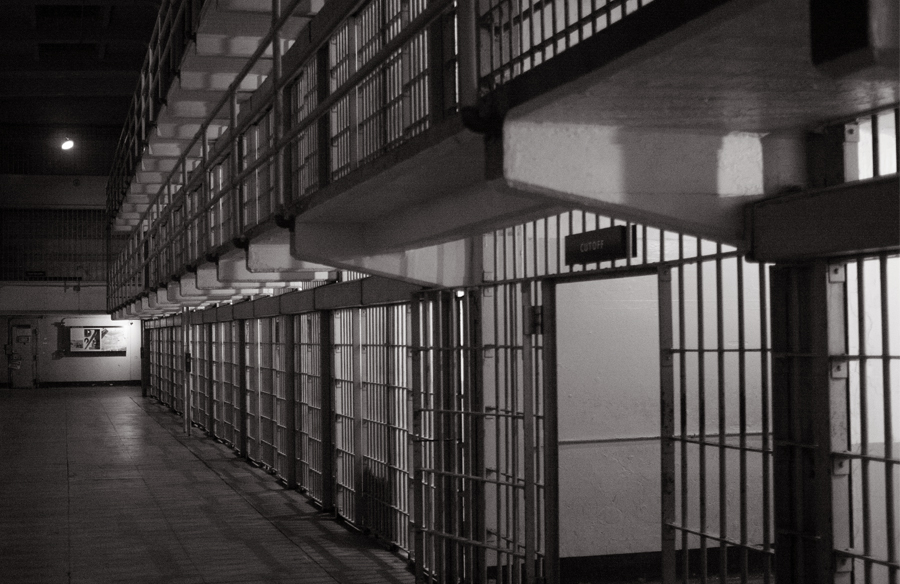
When mail call happens behind thick steel doors, the arrival of an envelope offers a rare anchor to the outside world. For individuals serving time, prison pen pals provide more than a casual chat—they establish a vital bridge to a society that often feels completely detached. While critics sometimes misunderstand these correspondences, structured letter-writing initiatives offer profound psychological benefits, foster personal accountability, and play a measurable role in long-term rehabilitation.
Maintaining social bonds during incarceration changes the trajectory of a sentence. Research consistently indicates that individuals who stay connected to supportive networks outside prison walls face lower hurdles upon release, experiencing reduced rates of recidivism. Writing letters requires introspection, empathy, and consistency, transforming isolated confinement into an active period of personal growth.
The Psychological Impact of Inmate Correspondence
Isolation is one of the most destructive elements of the carceral environment. Chronic loneliness erodes cognitive function, spikes anxiety, and hardens emotional defenses. When a pen pal writes a thoughtful letter, it interrupts that cycle of isolation.
- Restoring Human Identity: Inside a system defined by numbers, institutional uniforms, and strict rules, an incarcerated person is easily stripped of individuality. A letter addresses them by name, asks about their thoughts, and validates their existence as a thinking, feeling human.
- Encouraging Accountability: Meaningful correspondence relies on honesty. When an inmate writes regularly to someone who expects self-reflection, they are forced to confront their past choices, articulate future goals, and practice constructive communication.
- Alleviating Institutional Stress: Simple routines like checking for mail and drafting replies give structure to days that otherwise blur together, significantly improving day-to-day mental health and reducing institutional violence.
How Pen Pal Programs Support Real-World Reintegration
Rehabilitation isn't just about avoiding trouble inside a facility; it's about preparing for the massive shock of re-entering the community. Pen pals act as a stabilizing force during this transition. According to studies highlighted by organizations like the National Institute of Justice, external social support serves as one of the strongest predictors of successful post-release employment and housing stability.
Writing partners often discuss career aspirations, educational pursuits, and coping strategies for life after release. Knowing someone on the outside is waiting to hear about your progress creates a psychological incentive to enroll in vocational classes, finish a GED, or maintain sobriety. This gentle accountability helps bridge the gap between institutionalized life and civic participation.
Establishing Safe and Meaningful Boundaries
Entering a pen pal relationship requires clear expectations and sensible boundaries to protect both parties. Whether you use established registries like Prison Fellowship or independent platforms, smart guidelines keep the correspondence safe and rewarding.
- Protect Personal Information: Never share your home address, workplace, financial details, or phone number in early letters. Use a PO box or an organizational address when possible.
- Set Clear Intentions: Be upfront about the scope of the relationship from day one. Define whether you are offering friendship, moral support, or academic encouragement, and stick to those parameters.
- Understand Facility Rules: Every correctional facility enforces strict rules regarding mail content, photo sizes, and allowable enclosures. Always verify local mailroom policies before sending packages or specialized stationery.
- Manage Time and Frequency: Agree on a realistic correspondence cadence—such as one letter a month—so neither party feels pressured or overwhelmed by unreturned mail.
Common Mistakes to Avoid
Many well-meaning individuals jump into writing inmates without realizing the emotional dynamics at play. Avoiding common pitfalls ensures the correspondence remains healthy and sustainable.
- Overcommitting Emotionally: It's easy to romanticize a pen pal's situation or try to play amateur therapist. Maintain healthy emotional distance and focus on peer-level friendship rather than trying to "fix" someone.
- Ignoring Red Flags: If a correspondence shifts toward requests for money, gifts, or inappropriate boundary-crossing, step back immediately. Legitimate pen pals respect established limits.
- Inconsistency: Disappearing abruptly can cause significant psychological distress for someone relying on regular communication. If you need to end the correspondence, send a final closing note explaining your decision.
Frequently Asked Questions
Can prison pen pals lead to dangerous situations?
While millions of letters are exchanged safely every year, risks do exist because you are interacting with individuals convicted of crimes. Protecting your personal information, maintaining strict boundaries, and utilizing secure mailing addresses minimize these risks entirely.
Do inmates have to pay to send letters?
Yes, incarcerated individuals must purchase writing supplies, envelopes, and postage using funds from their prison jobs or money sent by family and friends. Some facilities now offer digital messaging tablets, though physical letters remain the traditional standard.
What do you actually talk about in prison letters?
Conversations usually start with basic introductions—hobbies, favorite books, daily life, and general interests. Over time, discussions often evolve into deeper topics like personal philosophy, goals, career dreams, and overcoming past mistakes.
Are prison pen pal relationships legally monitored?
Yes. Correctional staff inspect incoming and outgoing mail to ensure facility security, meaning letters are not private in the traditional legal sense. Both writers should keep this institutional oversight in mind.



