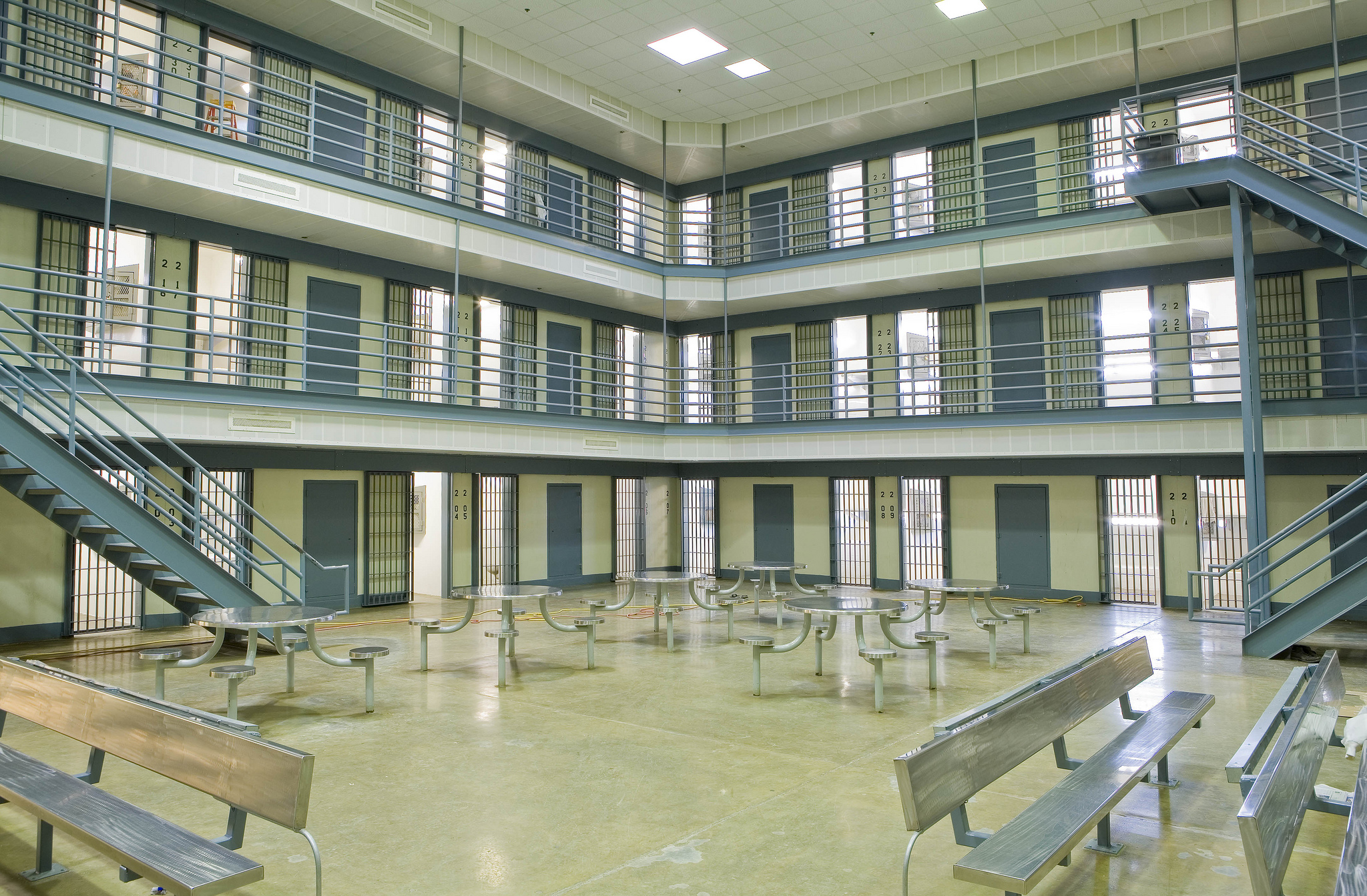
Humor has always served as a coping mechanism in high-stress, closed environments. When individuals face institutional control, strict routines, and isolation, absurdity becomes a shield. Prison memes and dark correctional humor capture this reality, translating the monotonous, harsh, and surreal aspects of the justice system into inside jokes shared by inmates, ex-offenders, correctional officers, and the public.
Understanding this subculture requires looking past the shock value of dark jokes. These memes expose the institutional realities, administrative quirks, and psychological coping strategies embedded within modern correctional facilities.
The Psychology Behind Correctional Dark Humor
Stress requires an outlet. Inside carceral facilities, tension runs high due to overcrowding, lack of autonomy, and constant surveillance. Gallows humor functions as an emotional release valve. By laughing at situations that are fundamentally bleak, individuals regain a sense of agency over their environment.
- Emotional Defiance: Making light of a severe restriction strips the rule of its absolute psychological power.
- Shared Identity: Inside jokes build solidarity among groups experiencing the same systemic pressures.
- Reality Check: Humor highlights the absurdities of institutional bureaucracy, from administrative delays to restrictive facility policies.
According to research on coping mechanisms in high-stress environments, shared laughter reduces acute anxiety and builds communal resilience. In carceral settings, this translates into a unique subgenre of satire that mocks both the system and the daily grind of serving time.
Common Tropes in Prison Memes
Digital platforms have given people on both sides of the bars a way to distribute commentary about institutional life. While incarcerated individuals usually lack direct internet access, letters, phone calls, and recently released citizens fuel the creation of these digital artifacts. Several recurring themes dominate the genre.
Bureaucracy and Commissary Economics
Institutional rules often defy logic, creating fertile ground for satire. Memes frequently target commissary pricing inflation, where a simple ramen packet or a bar of soap commands exorbitant trade value. Content creators contrast real-world inflation with prison yard economics, highlighting how a handful of stamps functions as a stable currency.
Institutional Food and Routine
The culinary monotony of correctional facilities is a universal touchstone. Jokes about mystery meat, institutional grade peanut butter, and rigid meal schedules appear repeatedly across social media feeds. These posts connect current inmates' families with formerly incarcerated individuals who recognize the specific brand of culinary despair.
The Guard and Inmate Dynamic
Interactions between staff and the population offer another major source of material. Memes often highlight the mundane friction of daily counts, random shakedowns, and conflicting interpretations of rulebooks. Correctional officers also participate in or create parallel humor focusing on long shifts, administrative paperwork, and the strange requests they field daily.
How Corrections Staff and Inmates View the Humor
The reception of dark correctional humor varies depending on who's looking at the screen. To the general public, these memes often look shocking or deeply cynical. Yet, insiders view them differently.
For formerly incarcerated people, a well-placed joke acts as shorthand for shared trauma and survival. It says, "I understand what that specific kind of cold concrete feels like." For correctional officers, humor about shift work and institutional red tape provides a shared language to process a high-burnout profession.
Organizations like the National Institute of Justice track institutional culture and the various ways individuals adapt to confinement, noting that informal communication networks—now digitized—shape morale and behavior across facilities.
The Ethics of Carceral Satire
When humor intersects with the justice system, ethical lines blur quickly. Critics argue that turning systemic dysfunction, violence, or overcrowding into punchlines trivializes severe human rights concerns. Mass incarceration is a serious policy issue, and reducing prison conditions to a viral image risks sanitizing structural flaws.
Conversely, defenders argue that satire draws attention to conditions that might otherwise remain invisible to the public. A viral post about substandard medical care or mailroom delays can spark broader conversations about institutional transparency.
Common Mistakes When Analyzing Carceral Subculture
- Treating It as Monolithic: Inmates, guards, and advocates all use humor differently; attributing one viewpoint to everyone oversimplifies a diverse ecosystem.
- Ignoring the Human Cost: It's easy to view memes purely for entertainment while forgetting the underlying systemic issues driving the humor.
- Assuming Direct Access: People often wonder how inmates post memes directly; in reality, much of this content is generated by recently released individuals, families, or observers interpreting carceral culture.
Frequently Asked Questions
Where do prison memes originate?
They stem from a mix of formerly incarcerated individuals, family members of those inside, and correctional staff who share stories about the daily realities of the system.
Why is dark humor so prevalent in correctional environments?
Dark humor acts as a psychological coping mechanism to manage chronic stress, loss of autonomy, and bleak physical environments.
Do current inmates have access to social media?
Most facilities strictly prohibit unauthorized communication devices. Content usually reaches the digital world via letters, phone calls, or individuals who have completed their sentences.
How does the public consume this content?
Audiences often encounter these jokes on short-form video platforms and image boards, where carceral subculture intersects with broader trends in absurdist internet humor.
Can humor lead to actual institutional reform?
While memes rarely drive direct policy change on their own, they raise awareness about mundane administrative frustrations and spark public curiosity regarding correctional conditions.


