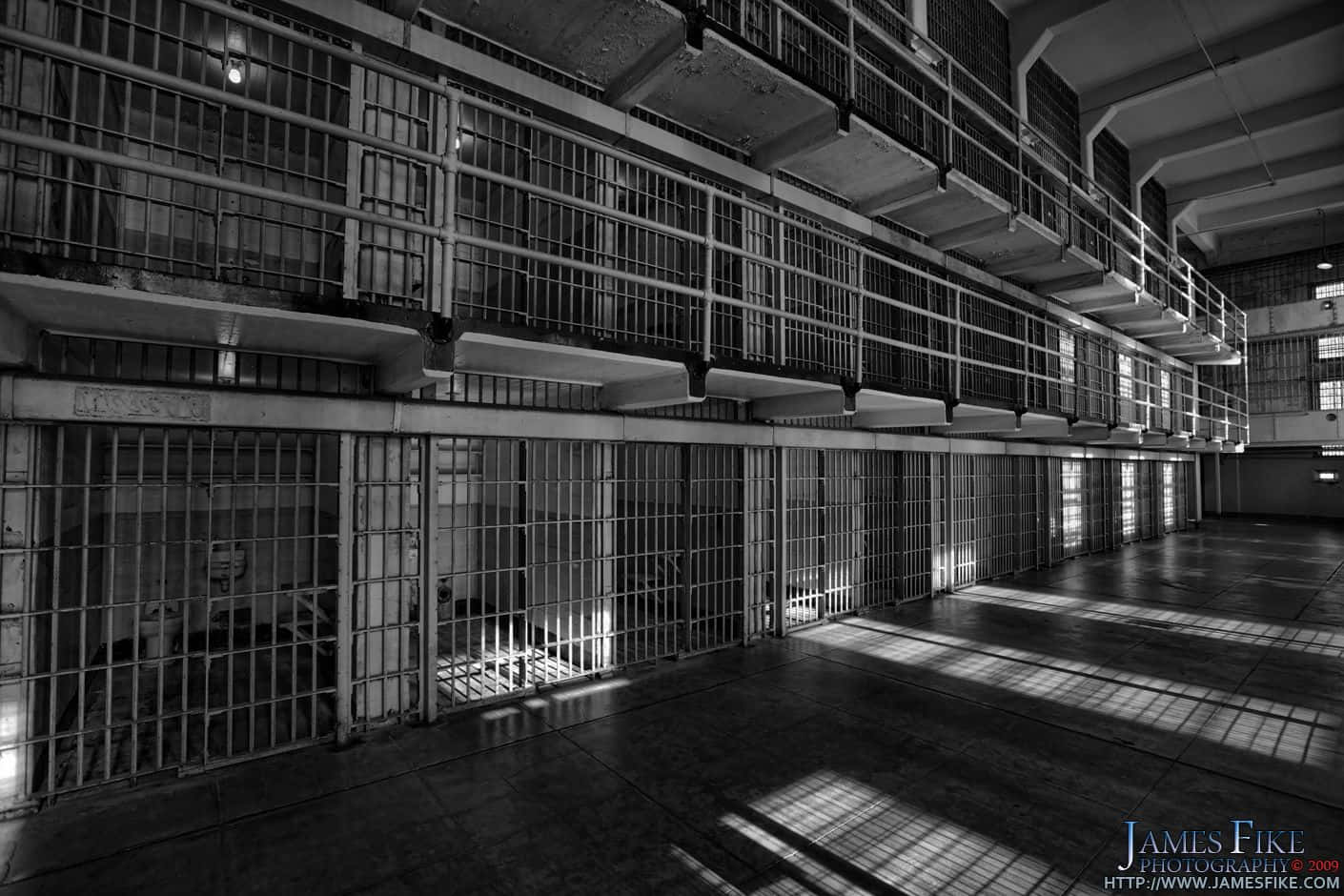
When a correctional facility operates smoothly, it's easy to overlook the massive layer of planning, vigilance, and physical infrastructure keeping everything secure. We rarely see the specialized operations and daily security routines that stop breaches before they start. Behind thick concrete walls and automated gates, specialized correctional security units work constantly to prevent escapes and maintain institutional order.
Understanding how high-security institutions prevent unauthorized departures requires looking past fictional television tropes and examining the real procedures, specialized personnel, and structural layers that define modern correctional security. It's a complex system built on intelligence, perimeter control, and split-second response protocols.
The Reality of Correctional Security and Perimeter Defense
Prisons don't rely on a single locked door to keep inmates inside. Instead, modern institutions use a defense-in-depth model where multiple independent security layers must fail simultaneously for a breach to occur. The primary keyword, prison guard security, sits at the heart of this operational matrix, bridging human observation with physical barriers.
Perimeter security starts well before the outer fence line. Facilities incorporate clear zones, motion-sensing ground radar, microwave intrusion sensors, and high-resolution thermal cameras. Correctional staff stationed in elevated control towers maintain constant visual oversight of these zones. When an alert triggers, designated response teams move immediately to neutralize the threat long before any physical barrier is compromised. To understand the complete picture, we recommend the detailed article by The New York Times.
Inside the secure perimeter, day-to-day operations depend on rigorous accountability. Staff conduct random and scheduled counts multiple times per day. If a single count is off, the entire facility goes into lockdown immediately, freezing all movement until every individual is accounted for and verified against institutional manifests.
Core Responsibilities of Specialized Security Staff
While every correctional officer contributes to overall safety, specialized security and tactical units focus entirely on high-risk deterrence, tactical intervention, and intelligence gathering. Their day-to-day duties involve several critical functions that keep facilities secure.
- Cell and Common Area Interdiction: Officers perform unannounced shakedowns to locate and confiscate contraband, ranging from makeshift cutting tools to communication devices that could facilitate unauthorized coordination.
- Electronic Surveillance Oversight: Dedicated monitoring stations track live feeds from hundreds of security cameras, watching for suspicious loitering, blind spots, or tampering with facility infrastructure.
- Intelligence and Informant Networks: Security intelligence units analyze internal communication patterns, mail correspondence, and visitor logs to uncover planning or conspiracy long before an attempt takes shape.
- Emergency Response Drills: Tactical squads run frequent simulations for hostage scenarios, roof intrusions, and perimeter breaches to ensure muscle memory remains sharp during high-stress crises.
Preventing escapes isn't just about reacting to physical force; it's about disrupting plans during the early ideation phase. When an institution maintains active intelligence channels, potential plots are identified and neutralized through administrative reassignments or targeted cell transfers.
Structural and Technological Enhancements in Modern Facilities
Physical security infrastructure has evolved dramatically over the last few decades. Older facilities relied heavily on heavy steel bars and manual locking mechanisms, which were vulnerable to wear and manual tampering. Today's high-security prisons utilize advanced engineering to eliminate common points of failure.
Reinforced composite walls incorporate layers of high-strength steel mesh and specialized concrete formulations designed to resist cutting, thermal lances, and hydraulic breaching tools. Locking systems are centrally controlled via hardened digital terminals with mechanical override backups, ensuring that a power failure or cyber disruption won't leave cell blocks unsecured.
Furthermore, biometric access controls limit movement between sensitive zones. Staff members must verify their identity using fingerprint or retinal scanners to pass through critical security checkpoints, preventing unauthorized access or credential theft from compromising internal security gates. According to guidelines from the National Institute of Justice, integrating modern technology with traditional supervision significantly reduces institutional incidents and improves officer safety.
Common Vulnerabilities and Operational Challenges
Running a secure correctional environment comes with severe operational hurdles. Facilities often face chronic staffing shortages, which increase fatigue and lower the ratio of officers to inmates during peak movement hours. When staff are stretched thin, response times can drift, creating potential windows of vulnerability.
Another major challenge involves managing aging infrastructure. Many regional and federal facilities were built decades ago, requiring costly retrofits to support modern digital surveillance and automated locking systems. Budget constraints frequently mean that older physical barriers must be monitored more intensively by human staff rather than automated sensors.
Staff retention also impacts long-term institutional stability. High turnover rates mean newer, less experienced officers frequently rotate into high-security posts. Facilities combat this by expanding initial academy training and implementing mentorship programs where veteran staff guide rookies through high-stress scenarios.
Frequently Asked Questions
What happens immediately during a prison count discrepancy?
When a headcount doesn't match official logs, the facility initiates an immediate lockdown. Inmates return to their assigned cells or stay put in common areas, and all movement stops. Staff conduct a recount. If a person is confirmed missing, regional law enforcement and state agencies are notified instantly to establish perimeter checkpoints.
How do correctional officers detect hidden escape tunnels?
Officers look for subtle physical signs such as unexplained soil displacement, hollow sounds when tapping concrete floors, or power anomalies. Specialized teams also use ground-penetrating radar and acoustic sensors during routine audits of sub-floors, utility tunnels, and recreational yards.
What is the role of technology in modern perimeter defense?
Modern perimeters rely on integrated sensor arrays, including fiber-optic fence vibration detectors, microwave motion sensors, and automated PTZ (pan-tilt-zoom) cameras paired with thermal imaging. These systems alert control rooms to physical disturbances instantly, even in total darkness or heavy fog.
Are maximum-security prisons completely escape-proof?
No facility is entirely escape-proof, but modern high-security and supermax designs make unauthorized departures statistically rare. Security relies on layered redundancy, meaning an inmate must defeat multiple independent physical, electronic, and human barriers in succession to succeed.



