Long before modern animated features embraced gritty anti-heroines and complex geopolitical subplots, Walt Disney Animation Studios introduced a character who shattered traditional royal molds. Princess Kidagakash, known simply as Princess Kida, debuted in the 2001 feature Atlantis: The Lost Empire. While the film underperformed at its initial box office, Kida evolved over the decades into a cult icon. She redefined what it meant to hold royal grace in entertainment, trading fragile glass slippers for combat readiness, linguistic mastery, and a fierce dedication to her people's survival.
Understanding Kida's enduring appeal requires looking past standard animation tropes. She isn't a passive damsel waiting for rescue; she is a millennia-old warrior, a critical thinker, and a cultural custodian who carries the weight of a dying civilization on her shoulders. This examination explores how Kida broke conventional animation molds, why her character design and narrative depth stood apart from her contemporaries, and how her legacy continues to influence modern media.
Breaking the Mold: Beyond Traditional Animation Tropes
When Atlantis: The Lost Empire hit theaters, the animation industry was emerging from the height of the Renaissance era, which had popularized singing princesses constrained by domestic duties or romantic quests. Kida operated on an entirely different frequency. Voiced by veteran actress Cree Summer, Kida possessed a commanding presence that blended raw physical strength with sharp intellectual curiosity.
- Fierce Pragmatism: Unlike royals who accepted declining traditions, Kida actively questioned her father's isolationist policies. She recognized that preserving a culture under a glass bell meant letting it slowly die.
- Multilingual Scholar: Far from being confined to a single linguistic worldview, Kida spoke multiple ancient and modern languages, serving as a bridge between the forgotten world of Atlantis and surface linguist Milo Thatch.
- Warrior Ethos: Kida engaged in physical combat, scaled ruins with ease, and protected her people with weapons and tactical awareness, setting a blueprint for future action-oriented heroines like Merida or Moana.
For a deeper look into the historical context of the studio's stylistic shifts during this period, you can read more via Disney Animation History. Additional details into this topic are detailed by Associated Press.
The Visual Identity and Design Philosophy
Kida's visual design departed radically from the standard Disney princess archetype. Helmed by visionary creators, the film's aesthetic drew heavily on a distinct geometric, sharp-edged style inspired by comic artist Mike Mignola.
Her iconic look featured stark white hair, weathered tribal tattoos, and apparel that reflected an ancient, utilitarian culture rather than European court fashion. This ambiguity in her appearance sparked decades of fan discussions regarding her racial and cultural inspirations. The creators integrated elements spanning diverse global traditions—ranging from Indigenous American and Mesoamerican patterns to Polynesian and African design cues—creating a truly universal ancient aesthetic.
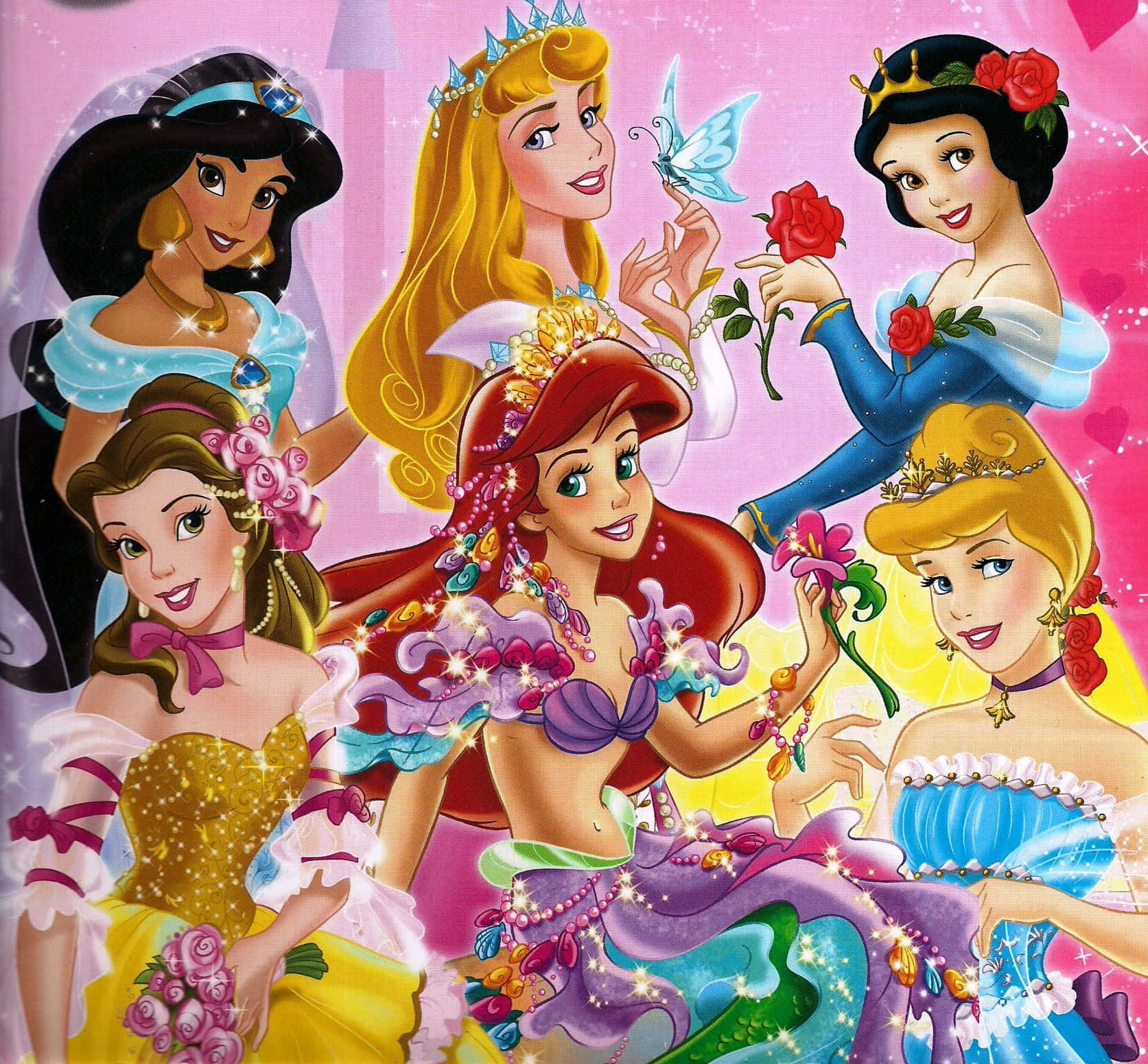
This deliberate ambiguity meant Kida didn't fit neatly into corporate marketing boxes. Disney famously omitted her from the official Disney Princess franchise lineup, citing her mature thematic elements, older canonical age, and lower initial box office returns. Yet, this exclusion only elevated her status among fans who viewed her as an independent icon unburdened by commercial homogenization.
Cultural Impact and Modern Relevance
Kida's influence on pop culture rests on her subversion of colonial narratives. Atlantis: The Lost Empire directly confronted imperialism, treating the surface explorers not as heroic saviors, but as outsiders whose intrusion threatened a fragile ecosystem. Kida stood at the center of this moral conflict.
When she discovers that the Heart of Atlantis is not just an energy source or a tool for wealth, but the literal life force of her ancestors, her character arc shifts from a local guardian to a global protector. Her ability to merge ancient wisdom with new perspectives offers a masterclass in character writing. Modern fantasy and sci-fi series frequently borrow this template: a fierce royal leader of a hidden, technologically advanced society who must decide whether to open their borders to a turbulent outside world.
To explore academic perspectives on animation and cultural representation, reference articles hosted on the Library of Congress Film Registry.
Common Misconceptions About Princess Kida
Fans and casual viewers often misinterpret key aspects of Kida's narrative and status within the entertainment landscape.
- Misconception: Kida is a standard teenage princess. In reality, because of the life-prolonging properties of the Atlantean crystal, Kida is several thousand years old, giving her a stoic maturity that separates her from younger animated leads.
- Misconception: She was created solely as a love interest. While her dynamic with Milo Thatch drives the romantic sub-plot, Kida's primary motivations are political survival, cultural preservation, and protecting her father's legacy. Milo serves as a translator for her goals, not the instigator of them.
- Misconception: She belongs to the official Princess lineup. Despite heavy fan petitions, corporate brand guidelines exclude her due to merchandise categorization and the film's non-traditional structure.
Frequently Asked Questions
Why isn't Kida an official Disney Princess?
Disney restricts the official franchise lineup based on specific commercial criteria, movie performance, and whether a character fits neatly into fairy-tale marketing. Because Atlantis was an action-adventure sci-fi film that underperformed in theaters, Kida was left out of the corporate branding loop.
What is the origin of Kida's name?
Her full name is Kidagakash Nedakh. In the fictional Atlantean language developed for the film, her name carries royal lineage markers, with "Nedakh" serving as her royal family surname.
How old is Princess Kida?
Canonically, Kida is estimated to be over 8,500 years old. She lived through the cataclysm that sank Atlantis and maintained her youth through the power of the glowing crystal.
Who voiced Princess Kida in Atlantis: The Lost Empire?
Cree Summer provided her distinctive voice for the adult Kida, infusing the character with authority, warmth, and sharp comedic timing. Natalie Strom voiced Kida during flashback sequences as a young child.



