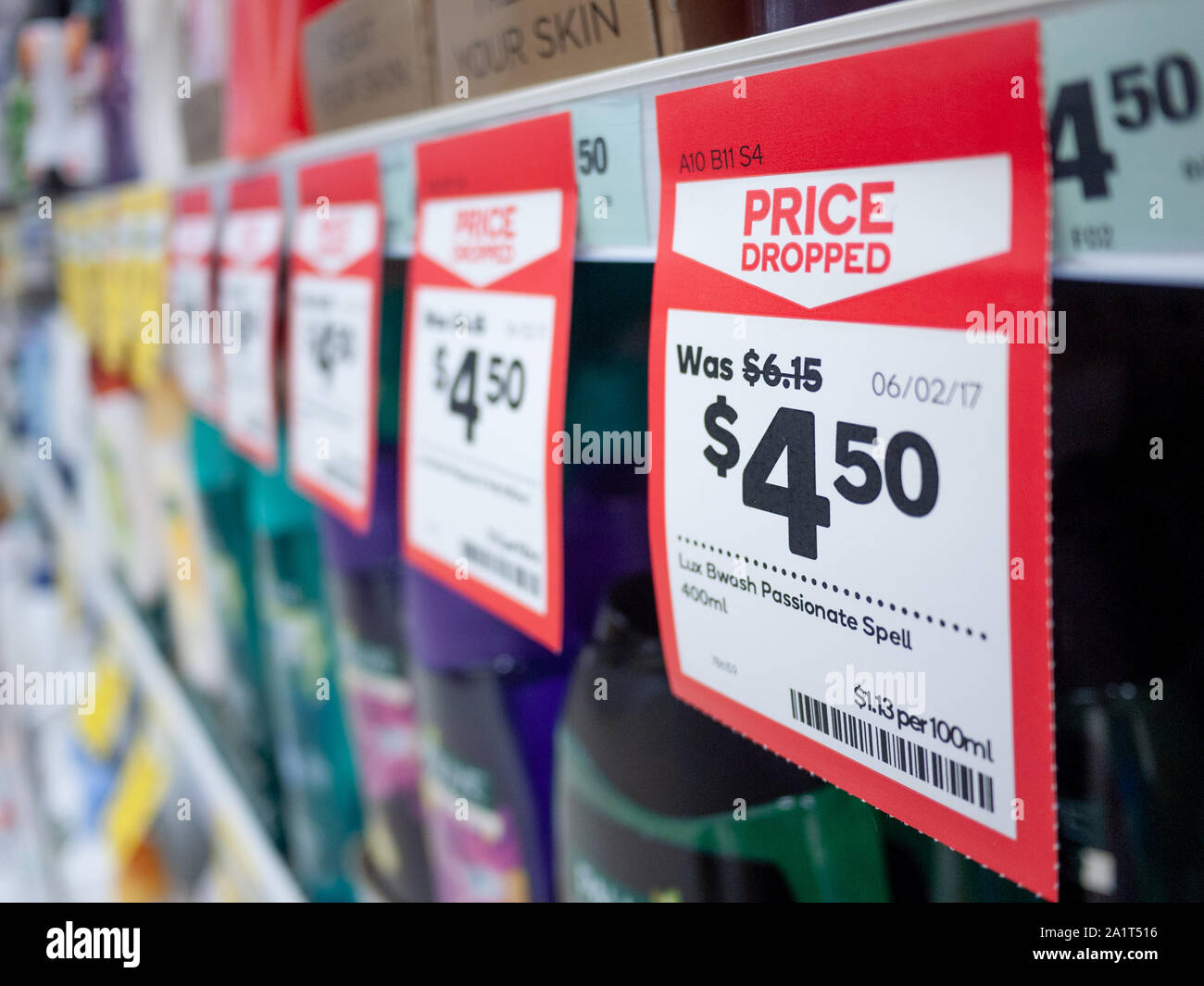
When companies alter their pricing structures, shoppers react in ways that dictate market outcomes. Two opposing forces drive these purchasing shifts: the price effect and the quantity effect. The price effect dictates that a higher unit cost brings in more revenue for each item sold, whereas the quantity effect dictates that a higher tag discourages volume, leading to fewer units moving off shelves. Understanding how these two forces shape consumer behavior allows businesses to optimize pricing while helping buyers recognize how market shifts influence their purchasing habits.
Market dynamics rarely follow a straight line. If you run a retail shop or study microeconomic trends, you'll find that raising prices doesn't automatically boost revenue. Shoppers weigh the cost against their perceived value, altering their buying habits immediately. We'll examine how price changes trigger these dual responses, how elasticity dictates the winner between the two, and what this means for modern consumer choices.
Understanding the Core Definitions
To grasp how pricing shifts alter consumer patterns, we need to isolate the two main components of revenue changes. Both concepts operate simultaneously whenever a tag changes on a shelf or an online cart.
The price effect represents the change in revenue driven purely by the new cost per unit. When a store hikes the price of a coffee mug from ten dollars to twelve dollars, every mug sold brings in an extra two dollars of revenue. For the business, this feels like an immediate win.
The quantity effect represents the change in volume resulting from that same price adjustment. Because the mug now costs twelve dollars, certain shoppers walk away or choose a cheaper alternative. The total number of mugs sold drops. If you sold one hundred mugs at ten dollars, your revenue was one thousand dollars. If the price hike drops your sales volume to seventy mugs at twelve dollars, your new revenue sits at eight hundred forty dollars. In this scenario, the quantity effect heavily outweighs the price effect.
Shoppers don't calculate these exact equations consciously, but their aggregate behavior responds directly to them. When prices climb, individual purchasing power feels compressed, leading to substitution and scaled-back consumption.
The Role of Demand Elasticity
Price sensitivity determines which force wins. Economists use the concept of price elasticity of demand to measure how drastically shoppers alter their buying habits when costs shift.
When demand is elastic, shoppers care deeply about price changes. A small hike sends them looking for substitutes or causes them to drop the item entirely. In this range, the quantity effect dominates. Businesses that raise prices on elastic goods see a sharp drop in total revenue because the lost volume hurts more than the higher margin helps.
When demand is inelastic, shoppers treat the item as a necessity. Think of prescription medications or basic utilities. If a company raises the price, consumers keep buying nearly the same volume because they don't have viable alternatives. Here, the price effect dominates. The extra money collected from each remaining sale easily covers the minor dip in volume, driving overall revenue upward.
For a deeper dive into how market elasticity models work in academic settings, check out the LibreTexts Economics Library.
How Consumers React to Pricing Shifts
Consumer behavior under shifting pricing structures involves psychological triggers and real budget constraints. When individuals encounter a price hike, they experience a drop in real purchasing power. This phenomenon forces three distinct behavioral adaptations:
- Substitution behavior occurs when buyers abandon the more expensive item and purchase a cheaper alternative. If premium butter doubles in price, shoppers switch to standard margarine.
- Volume reduction occurs when consumers keep buying the same product but purchase fewer units. If gasoline prices spike, commuters combine errands to save fuel.
- Complete abandonment occurs when the price crosses the consumer's internal reference point, leading them to drop the category entirely from their budget.
Brands must anticipate these reactions. If a brand ignores the quantity effect, a poorly timed price increase can permanently alienate its customer base. You can review standard market structures and monopoly pricing behaviors via the Pearson Economics Study Guide.
Common Mistakes in Pricing and Consumer Analysis
Businesses and analysts often misread how these dual forces interact. Avoiding these errors ensures clearer market forecasting:
- Assuming higher prices always equal higher revenue. Failing to account for the quantity effect leads to severe sales slumps.
- Treating all consumer segments identically. Budget-conscious shoppers and luxury buyers experience price adjustments differently.
- Ignoring competitor positioning. If rivals keep their prices steady, your quantity effect will be much harsher when you hike yours.
- Focusing solely on short-term gains while ignoring long-term brand loyalty erosion.
Frequently Asked Questions
What is the main difference between the price effect and the quantity effect?
The price effect refers to the financial gain or loss driven by the change in the unit price itself. The quantity effect refers to the financial gain or loss driven by the change in the total number of units sold following that price adjustment.
Can both effects happen at the exact same time?
Yes. Every single time a price changes, both effects trigger simultaneously. One increases revenue per unit while the other decreases the volume of units sold.
How does elasticity determine which effect wins?
If demand is elastic, the quantity effect wins because volume drops faster than price rises. If demand is inelastic, the price effect wins because volume remains relatively stable while the unit price climbs.
Do these effects apply to price drops as well as price hikes?
Yes. When a business lowers its prices, the price effect reduces revenue per unit, but the quantity effect increases total sales volume. Businesses lower prices when they expect the quantity effect to dominate and drive higher overall revenue through increased volume.



