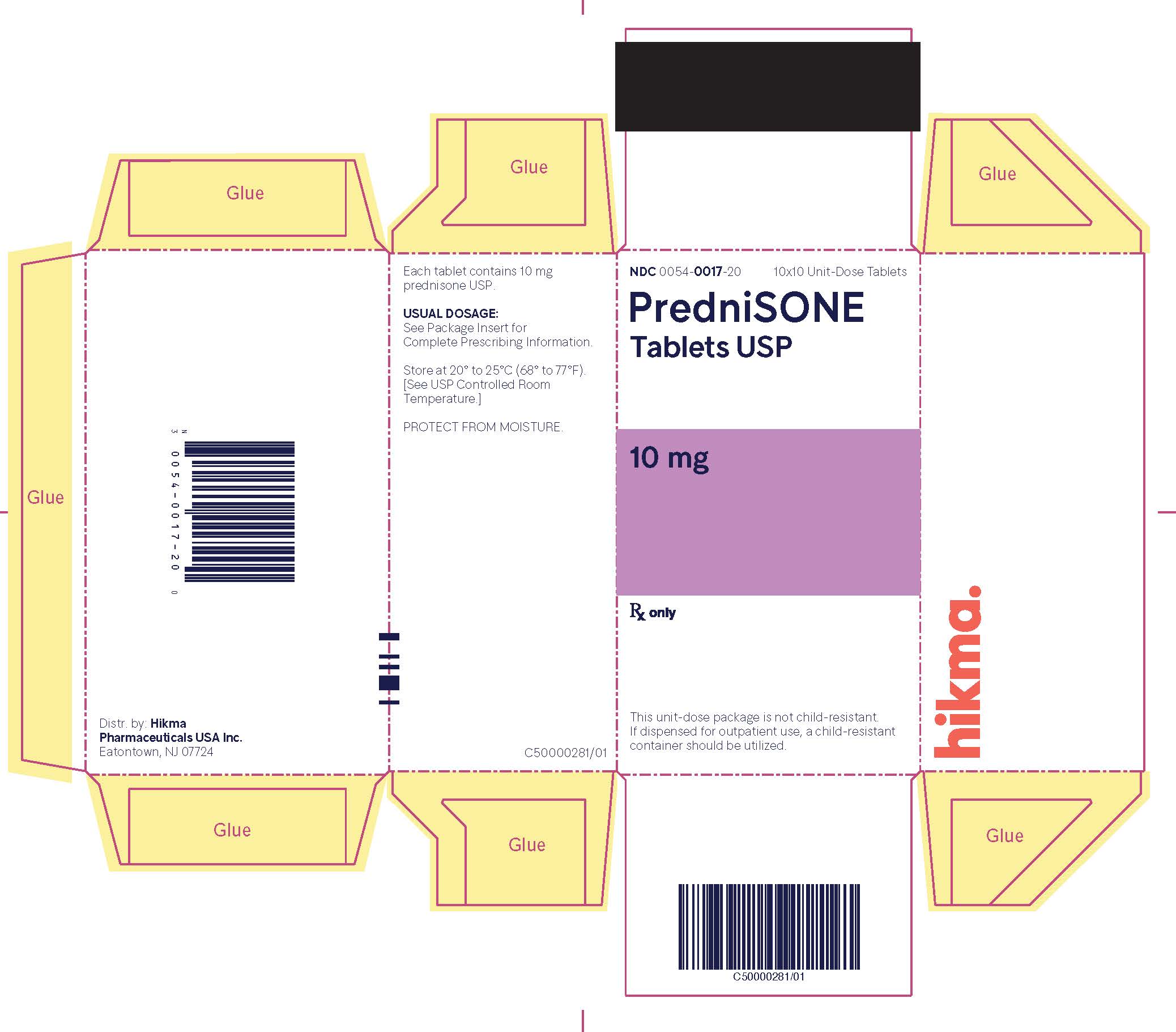
When managing severe chronic inflammatory skin conditions, medical professionals often debate the utility of systemic medications. Using oral corticosteroids like prednisone for psoriasis remains one of the most controversial topics in clinical dermatology. While systemic steroids can rapidly suppress acute inflammation, they carry significant long-term risks and historically earned a reputation for triggering severe withdrawal flares.
The primary clinical challenge involves balancing rapid symptom relief against the hazard of a rebound effect once the prescription ends. Decades of traditional dermatology guidelines taught practitioners to strictly avoid oral steroids in psoriasis patients due to fears of converting mild plaque disease into unstable, dangerous forms like pustular or erythrodermic psoriasis. However, modern clinical data offers a more nuanced perspective on how these drugs function, when they are safe to use, and why alternative therapies are usually preferred for long-term management.
Understanding the Mechanism of Systemic Steroids
Prednisone is a synthetic oral corticosteroid that mimics the natural hormone cortisol produced by the adrenal glands. When ingested, it circulates throughout the entire body via the bloodstream, dampening the immune system and blocking specific inflammatory pathways that drive rapid skin cell overproduction.
In a healthy skin cycle, cells mature and shed over the course of roughly a month. For individuals with plaque psoriasis, immune signaling accelerates this turnover to just a few days, creating thick, silvery scales and inflamed red plaques. By suppressing white blood cell activity and inflammatory cytokines, prednisone can flatten lesions and relieve intense itching within days.
Despite this potent short-term efficacy, systemic delivery means the drug affects multiple organ systems simultaneously. This lack of targeted delivery creates a wide profile of systemic side effects that topical treatments—such as medicated creams or ointments applied directly to lesions—largely avoid.
The Rebound Flare Controversy: Myth vs. Reality
For generations, skin specialists maintained a rigid stance against prescribing oral steroids to psoriasis patients. The core fear centered on the "rebound flare"—a phenomenon where stopping the medication causes the underlying disease to return with amplified severity, occasionally transforming stable plaque psoriasis into generalized pustular psoriasis or erythroderma.
Recent epidemiological and retrospective cohort studies published in dermatological literature have re-evaluated this risk. Data indicates that while mild flares can occur after systemic steroid exposure, the incidence of severe, life-threatening rebound flares is statistically low across the general psoriasis population.
Even so, clinicians generally avoid using prednisone as a primary, chronic management strategy. The risks associated with prolonged systemic steroid exposure—such as bone density loss, blood sugar spikes, and adrenal suppression—outweigh the temporary benefits for a chronic condition that requires lifelong control. According to guidelines from organizations like the American Academy of Dermatology, modern treatment plans prioritize targeted biologics, retinoids, or phototherapy for systemic management instead of oral glucocorticoids.
Short-Term Use Cases and Clinical Scenarios
While chronic use is heavily discouraged, there are rare clinical scenarios where a short, tapered course of oral steroids may be considered by a specialist.
- Severe Joint Involvement: When a patient suffers from severe psoriatic arthritis flares that severely impair mobility, short courses of systemic agents may be utilized under strict rheumatological supervision.
- Acute Crises: In emergency settings where widespread inflammation threatens skin barrier integrity, temporary systemic suppression may be deployed while bridging the patient to safer long-term biologic therapies.
- Non-Dermatological Interventions: A patient with established psoriasis might receive an oral steroid course from a general practitioner for an unrelated issue, such as a severe allergic reaction or an asthma exacerbation, which requires close monitoring for subsequent skin changes.
When doctors do prescribe short courses, they typically implement a gradual tapering schedule. Slowly reducing the dosage allows the body's adrenal glands to resume natural cortisol production safely, preventing withdrawal complications and adrenal crisis.
Comprehensive Side Effect Profile
Because oral corticosteroids circulate systematically, patients must weigh potential skin improvements against a substantial list of systemic adverse effects. The severity of these effects correlates directly with dosage strength and the duration of the treatment window.
Short-term use can provoke acute changes, including sudden weight gain, increased appetite, fluid retention, sleep disturbances, mood fluctuations, and gastrointestinal irritation. Taking the medication with food and scheduling doses in the morning can mitigate some of these immediate discomforts.
Prolonged or repeated courses introduce severe long-term complications:
- Metabolic Shifts: Elevated blood sugar levels can complicate or induce diabetes, while increases in blood pressure and cholesterol heighten cardiovascular strain.
- Bone Health: Extended steroid exposure inhibits calcium absorption and bone formation, leading to osteoporosis and an elevated fracture risk.
- Immunosuppression: Suppressing immune function leaves the body vulnerable to opportunistic infections, and patients taking systemic steroids must generally avoid live vaccines.
- Hormonal Imbalance: Long-term use can induce Cushing's syndrome, characterized by fat redistribution, facial rounding, and muscle wasting.
Safer Modern Alternatives for Psoriasis Control
Advances in medical science have introduced targeted therapies that manage chronic plaque psoriasis with far greater safety and precision than systemic corticosteroids.
Topical formulations remain the frontline defense for mild-to-moderate cases. These include prescription-strength topical corticosteroids, vitamin D analogs, and calcineurin inhibitors, which act locally on the skin without flooding the bloodstream.
For moderate-to-severe disease, systemic non-steroid options provide consistent control. Conventional disease-modifying antirheumatic drugs (DMARDs) like methotrexate or cyclosporine target immune pathways specifically involved in skin cell proliferation. Furthermore, biologic therapies—engineered antibody treatments targeting specific immune proteins like tumor necrosis factor-alpha (TNF-alpha) or interleukins (IL-17 and IL-23)—offer high clearance rates with specialized safety profiles that avoid the broad metabolic drawbacks of oral steroids.
Patients seeking detailed comparisons of these modern options can consult clinical overviews provided by the National Health Service regarding chronic inflammatory skin disease management.
Frequently Asked Questions
Can I take prednisone for a sudden, severe psoriasis flare-up?
Generally, dermatologists try to avoid prescribing oral prednisone for psoriasis flares due to the historical risk of worsening the condition upon discontinuation. If systemic treatment is necessary, doctors prefer safer alternatives or specialized biologics designed for long-term control.
What happens if I stop taking prednisone abruptly?
Stopping oral steroids suddenly can trigger an adrenal crisis because your adrenal glands temporarily halt natural cortisol production while processing the medication. Doctors always prescribe a tapering schedule to lower the dose gradually.
Are topical steroids safer than oral prednisone?
Yes. Topical corticosteroids stay localized to the application site, minimizing the systemic absorption that causes widespread side effects like bone loss, weight gain, and blood sugar spikes. However, misuse of high-potency topicals can still cause local skin thinning.
Why do some doctors still prescribe oral steroids if they are risky?
Oral steroids may be utilized in emergency scenarios, severe joint flare-ups, or when treating co-occurring conditions that demand immediate anti-inflammatory intervention. These courses are typically short-lived and tightly monitored by a physician.