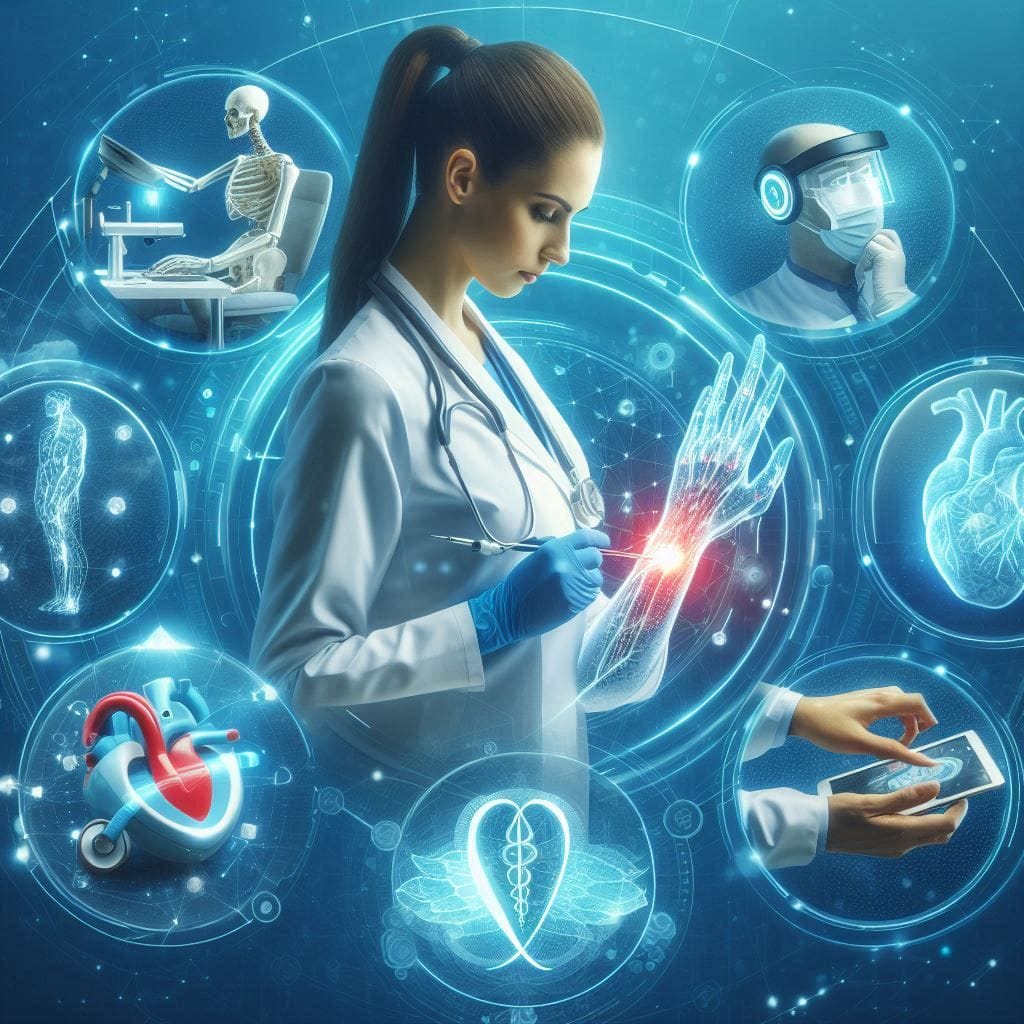
Healthcare is shifting away from standardized, one-size-fits-all treatments. Instead, modern medical biology centres use genomic sequencing, biomarker tracking, and molecular diagnostics to tailor therapies directly to an individual's unique biological makeup. This evolution transforms how clinicians detect, manage, and prevent complex diseases before symptoms escalate.
Precision medicine and diagnostics combine advanced laboratory technology with clinical data analytics to target the root causes of illness rather than just suppressing symptoms. By moving past generalized care models, researchers and clinicians can identify specific disease drivers, allowing for earlier interventions and significantly higher treatment success rates.
Core Pillars of Modern Diagnostics
Advanced diagnostic frameworks rely on multiple interconnected scientific disciplines. Understanding these components helps clarify how modern laboratories turn raw biological data into actionable clinical decisions.
- Genomics and Sequencing: High-throughput next-generation sequencing maps DNA and RNA variations, pinpointing genetic predispositions and actionable mutations.
- Translational Immunology: Analyzing immune system responses allows researchers to design targeted immunotherapies, such as monoclonal antibodies and cell-based treatments.
- Structural Biology: High-resolution imaging tools visualize proteins and cellular machinery at an atomic level, guiding rational drug design.
These divisions work together to bridge the gap between basic laboratory science and bedside patient care, ensuring discoveries move quickly from petri dish to clinical trial. For another angle on this event, check out the recent coverage from Reuters.
Transforming Oncology Through Molecular Profiling
Cancer treatment serves as the clearest example of precision medicine in action. Traditional oncology relied heavily on broad-spectrum chemotherapy, which attacks both cancerous and healthy cells indiscriminately.
Modern molecular profiling changes this dynamic completely. By sequencing a tumor's DNA, oncologists can identify specific genetic mutations driving unchecked cell growth. For instance, finding an epidermal growth factor receptor mutation in non-small-cell lung cancer allows physicians to prescribe a targeted inhibitor rather than standard chemotherapy.
"It's no longer about attacking cancer—it's about targeting its weaknesses."
Clinical data shows that molecularly guided regimens often yield higher progression-free survival rates and fewer adverse side effects compared to traditional cytotoxic therapies.
Overcoming Implementation Challenges
Despite clear clinical benefits, widespread adoption faces several structural hurdles. Scaling precision diagnostics requires overcoming significant logistical and financial barriers.
- Data Privacy and Security: Genomic data is deeply personal. Facilities must implement rigorous encryption, granular consent models, and transparent governance to protect patient confidentiality.
- Equitable Access: High costs and specialized infrastructure can limit availability. Expanding portable diagnostic tools and telehealth networks is essential for reaching rural or underserved populations.
- Biobank Management: Maintaining high-quality longitudinal repositories of biological samples requires strict temperature control, standardized protocols, and complex data tracking systems.
Institutions address these gaps by diversifying genomic databases to include underrepresented populations, ensuring that diagnostic algorithms remain accurate across diverse demographics.
The Integration of Multi-Omics and Artificial Intelligence
The next frontier of medical biology involves multi-omics integration. By combining genomics, transcriptomics, proteomics, and metabolomics with environmental data, researchers build comprehensive models of human health.
Artificial intelligence and machine learning algorithms process these massive datasets to predict disease progression before clinical symptoms appear. For instance, continuous learning systems can analyze electronic health records alongside wearable device telemetry to alert patients and doctors to early physiological shifts.
You can explore broader institutional efforts and research standards through resources provided by the National Institutes of Health and academic frameworks outlined by organizations like Ulster University.
Frequently Asked Questions
What is the difference between traditional medicine and precision medicine?
Traditional medicine relies on population averages and generalized guidelines to treat symptoms. Precision medicine analyzes an individual's genetics, lifestyle, and environment to customize prevention and treatment strategies.
How does next-generation sequencing improve diagnostics?
Next-generation sequencing allows laboratories to sequence millions of DNA strands simultaneously. This speed and scale make it possible to detect rare genetic mutations, viral variants, and cancer biomarkers quickly and accurately.
Is genomic data secure?
Medical facilities utilize strict compliance standards, advanced encryption, and transparent consent protocols to safeguard genetic information against unauthorized access or breaches.
Can precision diagnostics prevent chronic diseases?
While they don't stop disease entirely, multi-omics and genetic screening identify high-risk markers early, allowing patients and doctors to implement lifestyle changes or preventative therapies before conditions worsen.



