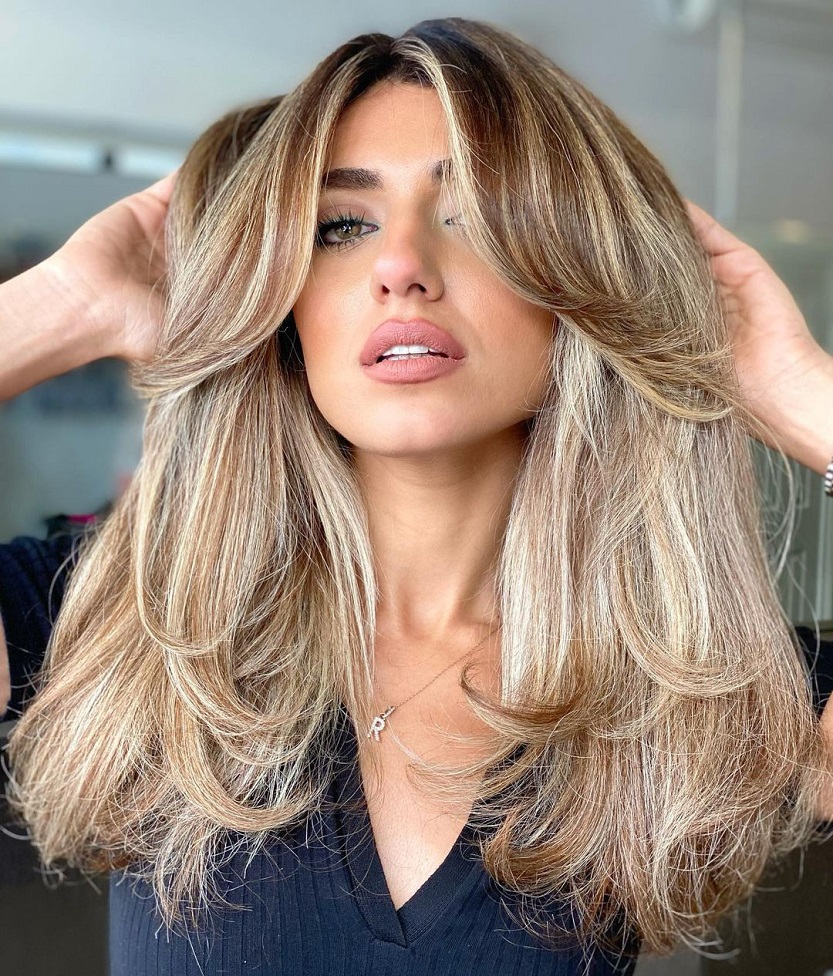
Modern hair styling has moved far past basic trims and generic box dyes. Today's top salons rely on structural geometry, color theory, and customized diagnostics to deliver looks that match individual bone structures. Standard salon visits often leave clients with cookie-cutter results that fade quickly or fail to grow out cleanly. True mastery in modern hairdressing requires a blend of rigorous technical training and bespoke artistic vision.
Precision hair cutting and artistic coloring form the backbone of advanced salon performance. Achieving industry-leading results means abandoning one-size-fits-all templates in favor of tailored mapping, structural analysis, and chemical integrity management. If you're looking to understand what separates an average salon experience from a top-tier transformation, you have to look closely at the mechanics behind the chair.
The Anatomy of Precision Cutting
Precision cutting is a structural discipline. Rather than relying solely on thinning shears to remove bulk or masking poor geometry with heavy styling products, a precision stylist treats hair like an architectural blueprint. Every section, tension angle, and elevation degree dictates how the hair falls, moves, and responds to natural wear.
Structural Mapping and Head Shape Analysis
Before a single drop of water touches the hair, a skilled cutter maps the client's cranial topography. Bone structure, cowlicks, density distribution, and natural growth patterns dictate the geometric foundation.
- Cranial Proportions: Cutting angles are adjusted based on whether a client has a round, square, oval, or heart-shaped face.
- Density Mapping: Thick sections require internal weight removal that doesn't compromise the perimeter line, while fine hair demands blunt, structured ends to create the illusion of fullness.
- Growth Trajectory: Ignoring a strong crown growth pattern or neckline cowlick guarantees the style will sit poorly once washed at home.
Dry Cutting Versus Wet Cutting
While wet cutting allows for clean lines and uniform tension, precision stylists often incorporate dry cutting details toward the end of a service. Dry cutting reveals how the hair actually lives and reacts. It exposes individual texture quirks, wave patterns, and how strands stack against one another. Combining both methods ensures clean structural lines during the cut and organic movement once it's dry.
The Chemistry and Artistry of Modern Coloring
Artistic coloring is far more than applying a single-process dye or placing standard highlights in a foil grid. It involves a deep understanding of underlying pigment stages, light reflection, and hair fiber chemistry.
Advanced Placement Techniques
Modern colorists utilize strategic placement methods to create dimension, shadow, and movement. Instead of uniform application, techniques like balayage, color melting, and custom color blocking require precise hand-painting or targeted sectioning.
- Shadow Rooting: Blurring the root area softens the grow-out phase, reducing harsh demarcation lines and extending the lifespan of lightening services.
- Dimensional Weaving: Varying the thickness and depth of lightened slices creates multi-tonal reflection rather than flat, uniform brightness.
- Placement Mapping: Color is placed to either accentuate or slim facial features, using light to draw the eye outward or shadows to create contour.
Protecting Structural Integrity
Bleach and permanent oxidative dyes break disulfide bonds within the hair shaft. Industry leaders protect hair health by integrating bond-multiplying additives during chemical processing. Monitoring developer volumes—ranging from gentle 10-volume deposits to controlled 30-volume lifts—prevents unnecessary damage and maintains elasticity. If the hair's structural integrity fails, even the most striking color will look dull and frizzy.
Common Salon Mistakes to Avoid
Choosing the wrong approach or failing to communicate effectively with a stylist can derail even the best haircut or color. Avoiding common pitfalls ensures long-lasting satisfaction and healthier hair.
- Chasing Fleeting Trends Over Suitability: Copying an internet trend without considering your unique hair density or maintenance commitment often leads to daily styling frustration.
- Skipping In-Depth Consultations: Rushing through the consultation phase leaves room for miscommunication regarding your daily routine, styling habits, and chemical history.
- Neglecting Home Maintenance: Using harsh supermarket shampoos instantly strips professional glosses and toners, fading expensive artistic color within weeks.
- Infrequent Maintenance Trims: Waiting too long between precision cuts splits the ends, causing the geometric line of the haircut to fray and lose its shape.
Essential Home Maintenance Routine
Protecting your investment in precision work requires a disciplined home care regimen. Professional results degrade quickly if paired with the wrong products or neglectful habits.
- Invest in Sulfate-Free Cleansers: Sulfates strip natural oils and artificial pigments, fading custom color treatments prematurely.
- Apply Thermal Protectants Every Time: High heat from blow dryers and flat irons breaks down protein bonds. Always use a professional-grade heat protectant spray before styling.
- Schedule Consistent Maintenance: Book precision trims every six to eight weeks to preserve the structural integrity of your cut.
- Use Weekly Conditioning Masks: Replenish moisture and protein balance using salon-exclusive deep treatment masks tailored to your hair's specific porosity.
For deeper insights into professional hair care and industry standards, you can explore resources provided by L'Oréal Professionnel and Wella Professionals.
Frequently Asked Questions
How often should I get a precision haircut to maintain its shape?
Most precision cuts require a refresh every six to eight weeks. Shorter styles, like bobs or pixie cuts, often need attention closer to the four-to-six-week mark to keep clean perimeter lines, while longer layered cuts can sometimes stretch to ten weeks depending on how cleanly they grow out.
What makes artistic coloring more expensive than standard salon color?
Artistic coloring involves advanced, multi-step techniques such as balayage, custom root smudging, and precise color correction. These methods require specialized product mixing, extended time in the chair, and advanced technical skill to protect hair health while achieving multi-dimensional results.
Can I transition from dark box dye to a bright blonde in one session?
Usually, no. Forcing dark artificial pigment to lift rapidly in a single day destroys the hair's disulfide bonds and leads to severe breakage. A responsible stylist will map out a multi-session corrective journey to lift the color safely while maintaining hair integrity.
How do I prepare for a major hair transformation consultation?
Bring reference photos that highlight what you like, but be realistic about your hair type, density, and daily styling commitment. Be completely honest about your hair history—including past box dyes, hennas, or chemical straighteners—so your stylist can accurately predict how your hair will react.



