When you call a plan "targeted," you're relying on a lazy adjective. It's a corporate filler word that tells your team to do better without explaining how. Sharp writing demands exact language. If your strategy focuses on a single customer segment, a specific data point, or a narrow geographical market, using the right substitute changes how people execute your orders.
Strategic precision starts with vocabulary. Swapping out a generic descriptor for a precise alternative removes ambiguity from your briefs, memos, and campaigns. Let's look at how to replace "targeted" with words that actually drive execution, and how to match those terms to your operational goals.
Why Generic Adjectives Fail Your Strategy
Words lose power through overuse. When every campaign, software patch, and budget request claims to be targeted, the word stops meaning anything. It becomes background noise.
Think about how teams react to vague instructions. If you tell a product team to build a "targeted feature," they have to guess whether you mean a niche tool for power users, an accessibility fix for a small demographic, or a localized update for one region. That ambiguity wastes weeks of engineering time.
Swapping the word out forces you to clarify your intent. If you describe the update as pinpoint, you're signaling microscopic accuracy. If you call it concentrated, you're talking about resource allocation. Language dictates action. Let's break down the best substitutes and when to use them.
Pinpoint: For High-Accuracy Interventions
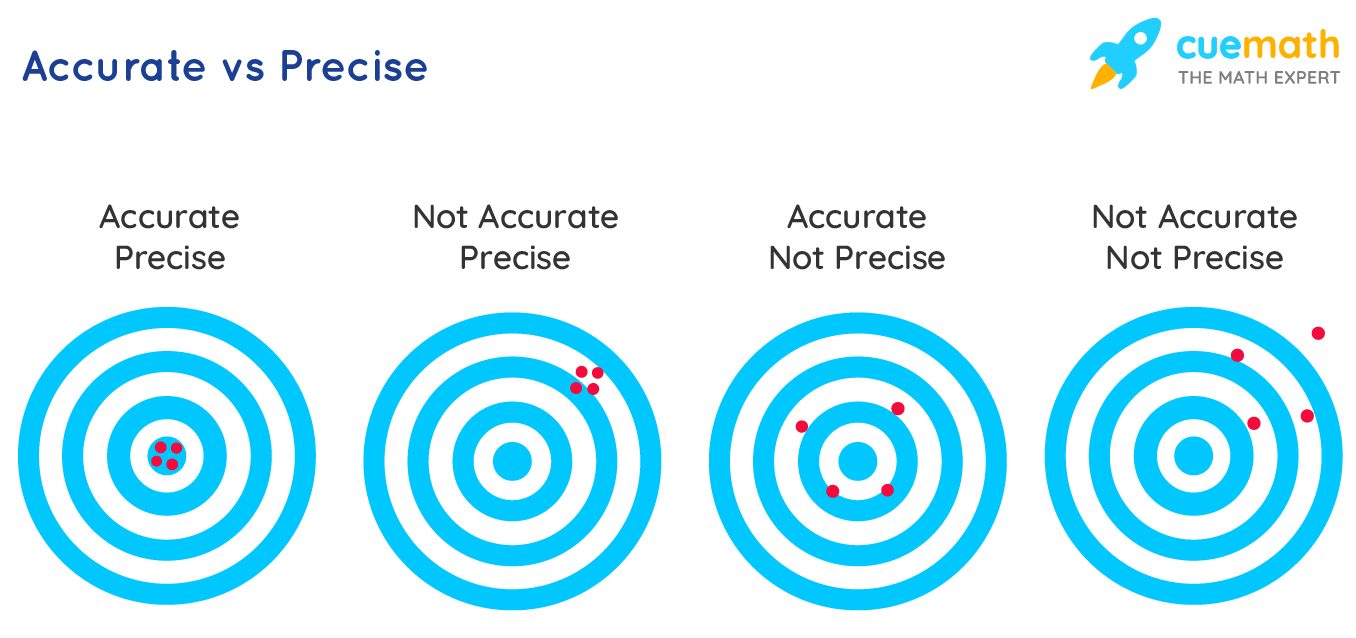
When your strategy zeroes in on an exact variable, pinpoint is your strongest substitute. It evokes the image of a coordinate on a grid. You aren't blanketing a market; you're hitting a specific bullseye.
Use this term when your execution leaves zero margin for error. For example, a data security team doesn't patch a "targeted vulnerability"—they apply a pinpoint patch to a single exposed API endpoint.
- When to use it: In data analysis, technical debugging, and surgical operations where precision prevents collateral damage.
- The operational impact: It signals to your team that they need to isolate the problem completely before taking action.
Focused: For Resource Alignment
Focused is the workhorse of strategic communication. While pinpoint implies accuracy, focused implies energy channeled in one direction. It tells your team to stop spreading themselves across ten different initiatives and put all their weight behind one.
Consider a marketing department managing a tight budget. Saying the ad spend is "targeted" doesn't stop people from scattering dollars across five social networks. Telling the team the budget is laser-focused on search intent channels every cent toward high-intent keywords.
- When to use it: During resource allocation, budget planning, and project scoping where you need to eliminate distractions.
- The operational impact: It justifies cutting secondary projects to protect the primary objective.
Specific: For Concrete Parameters
When you need to remove interpretation from a brief, use specific. It anchors your strategy in hard criteria—demographics, timestamps, file sizes, or geographical boundaries.
Vague strategies fail because people interpret requirements differently. A "targeted audience" means different things to a junior copywriter and a seasoned growth marketer. A specific cohort—say, users who dropped off during checkout in the last fourteen days—gives the copywriter exact constraints to write against.
- When to use it: In requirements gathering, user personas, and compliance documentation.
- The operational impact: It provides an objective baseline so you can measure whether the execution met the standard.
Granular: For Depth Over Breadth
Sometimes your strategy isn't just narrow; it goes deep into the layers of a problem. That's when you reach for granular.
A standard marketing report shows aggregate traffic. A granular analysis breaks that traffic down by device type, time of day, session duration, and referral source. It's the linguistic equivalent of zooming in from a satellite view to street level.
- When to use it: In research, financial modeling, and performance reviews where macro-level summaries hide critical failures.
- The operational impact: It prevents teams from making major decisions based on misleading averages.
Surgical: For High-Stakes Adjustments
When a strategy requires minimum disruption to surrounding systems, surgical is the right fit. It implies that you're removing or altering one specific element while keeping the rest of the organism healthy.
If you rewrite a core software function, you don't want a "targeted refactor." You want a surgical refactor that touches only the legacy dependencies without breaking downstream integrations.
- When to use it: In crisis management, legacy code updates, and organizational restructuring.
- The operational impact: It warns stakeholders to move carefully and monitor adjacent systems for unexpected side effects.
How to Choose the Right Strategy Word
Selecting the right synonym depends entirely on what kind of precision your project lacks. Match your vocabulary to your operational bottleneck by asking yourself three quick questions:
- Are we trying to hit an exact coordinate? Use pinpoint.
- Are we trying to stop wasting scattered resources? Use focused.
- Are we trying to remove ambiguity from requirements? Use specific.
- Are we trying to dig deeper into existing data? Use granular.
If your brief still feels fuzzy after swapping out the word, the strategy itself needs work. Clear language exposes weak thinking long before execution begins.
Frequently Asked Questions
Can I use these synonyms interchangeably in professional writing?
No. While they all relate to precision, they emphasize different mechanisms. Focused deals with energy and resources, while pinpoint deals with absolute accuracy. Using the wrong term miscommunicates your operational constraints.
How do I stop my team from relying on filler words like targeted?
Build a style guide that bans lazy adjectives in strategy documents. Require teams to specify the exact parameter—such as a specific demographic or a granular data subset—before approving a project brief.
Does using longer synonyms hurt readability?
Not if you match the word to the context. A short word like focused works well in headlines and quick Slack updates, while granular belongs in technical documentation and analytical reports.
What is the biggest mistake people make when trying to sound strategic?
Using buzzwords to mask a lack of clear metrics. Adding fancy modifiers doesn't fix a plan that lacks measurable outcomes or clear ownership.



