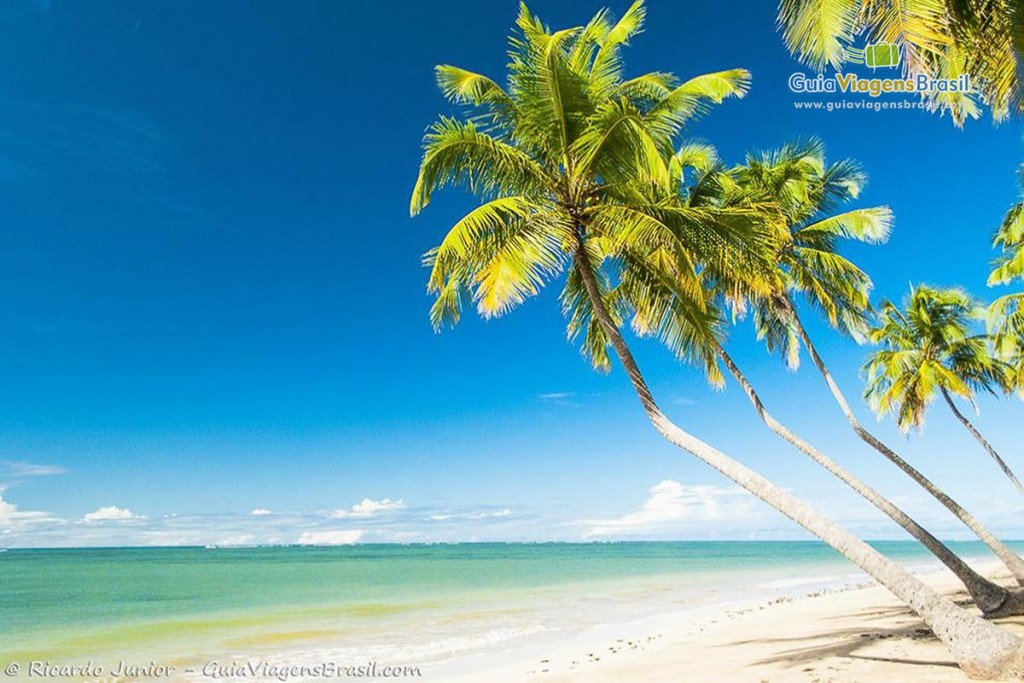
Praia do Forte is a premier coastal village in Bahia, Brazil, located roughly 50 miles north of Salvador along the scenic Coconut Road. Known for a unique blend of rustic fishing village charm and modern eco-tourism infrastructure, it offers a secure, walkable destination where families and solo travelers can explore calm tide pools, protected sea turtles, and rich Atlantic rainforest reserves. If you're looking for a sun-drenched coastal escape that balances natural conservation with reliable safety standards, this Bahian sanctuary delivers a rewarding experience.
Navigating Safety and Local Infrastructure
When planning a trip to Brazil, safety remains a primary concern for international visitors. Fortunately, Praia do Forte operates as a distinct enclave with low violent crime rates compared to major metropolitan centers. The local community relies heavily on tourism, which prompts strong municipal security efforts, well-lit pedestrian pathways, and active local policing throughout the village core.
The pedestrian-only main strip, known locally as Alameda do Sol, stays lively well into the evening. Because cars aren't allowed in the town center, you can stroll safely between open-air restaurants, artisanal shops, and local pizzerias without dodging traffic. Standard travel precautions still apply here, such as keeping an eye on your phone in crowded markets and avoiding unlit beaches late at night, but travelers generally report feeling entirely secure walking alone or with family.
Top Attractions and Marine Conservation
Praia do Forte centers around its commitment to marine life and coastal preservation, anchored by world-renowned ecological projects.
- Projeto TAMAR: Head to the village's sea turtle conservation headquarters to view several native turtle species up close. Interactive visitor centers, feeding tanks, and seasonal hatchling releases make this a standout stop.
- Natural Tide Pools: At low tide, coral reefs off Praia do Lord and Papa-Gente beaches emerge to form calm, crystalline pools filled with colorful reef fish. Bring a snorkel and mask to explore shallow aquatic life right off the sand.
- Garcia d'Ávila Castle Ruins: Located just inland, these historic stone ruins represent one of the earliest Portuguese fortifications in Brazil, offering panoramic views over the surrounding coastal vegetation.
- Sapiranga Reserve: Escape the sand for a few hours by hiking through the local Atlantic Forest reserve. Guided trails lead visitors past native bromeliads, streams, and local wildlife like capuchin monkeys.
Practical Logistics: Getting There and Getting Around
Reaching Praia do Forte from Salvador International Airport (SSA) takes roughly one hour by car. You can choose between several reliable transport options depending on your budget:
- Private Transfers: Pre-booked private cars provide the smoothest transition from the airport directly to your hotel.
- Rental Cars: A rental car isn't necessary once you arrive because the village is entirely compact and walkable, but it gives you flexibility if you plan to explore remote beaches further up the northern coast.
- Shared Shuttles: Regular vans and tourist buses run daily routes along the Coconut Road from Salvador.
Once you're settled in the village, getting around requires nothing more than a comfortable pair of walking shoes. For trips to nearby attractions like the Sapiranga Reserve or neighboring Imbassaí beach, local bike rentals, electric buggies, and authorized moto-taxis are readily available.
Common Mistakes to Avoid
Visitors often run into a few predictable pitfalls that can dampen an otherwise seamless trip. Keep these missteps in mind to protect your budget and your schedule:
- Ignoring the Tide Schedule: Swimming in the natural pools is only safe and rewarding during low tide. High tide brings rough surf and obscures the protective coral barriers. Always check the local tide chart before heading down to the shore.
- Visiting Only on Weekends: Salvador residents frequently flock to Praia do Forte for weekend getaways. If you prefer quiet beaches and uncrowded restaurants, plan your core village days between Monday and Thursday.
- Underestimating the Bahian Sun: The equatorial sun is intensely powerful year-round. Pack high-SPF reef-safe sunscreen, a wide-brimmed hat, and stay hydrated by taking breaks in shaded seaside bars.
To read more about regional travel advisories and official entry requirements, check the Official Brazil Tourism Portal.
Frequently Asked Questions
When is the best time of year to visit Praia do Forte?
The region stays warm and sunny throughout the year. The drier months run from April through October, making it ideal for hiking and outdoor exploration. If you want to witness sea turtle nesting or see humpback whales offshore, plan your trip between November and March.
Do I need to speak Portuguese to get around?
While Portuguese is the official language, staff at major hotels, pousadas, and popular restaurants in the village speak conversational English. Downloading a translation app on your phone helps when interacting with local market vendors or drivers.
Is Praia do Forte suitable for families with young children?
Yes, the calm shallow waters at low tide and the lack of vehicular traffic in the main village make it exceptionally safe and engaging for kids. Educational exhibits at the TAMAR project also provide great activities for children.
Can I withdraw cash easily or do merchants accept cards?
Major credit and debit cards are widely accepted at hotels, restaurants, and larger shops in the village. However, it's wise to carry some Brazilian Real in cash for small purchases, tips, or informal street vendors who may not process electronic payments.



