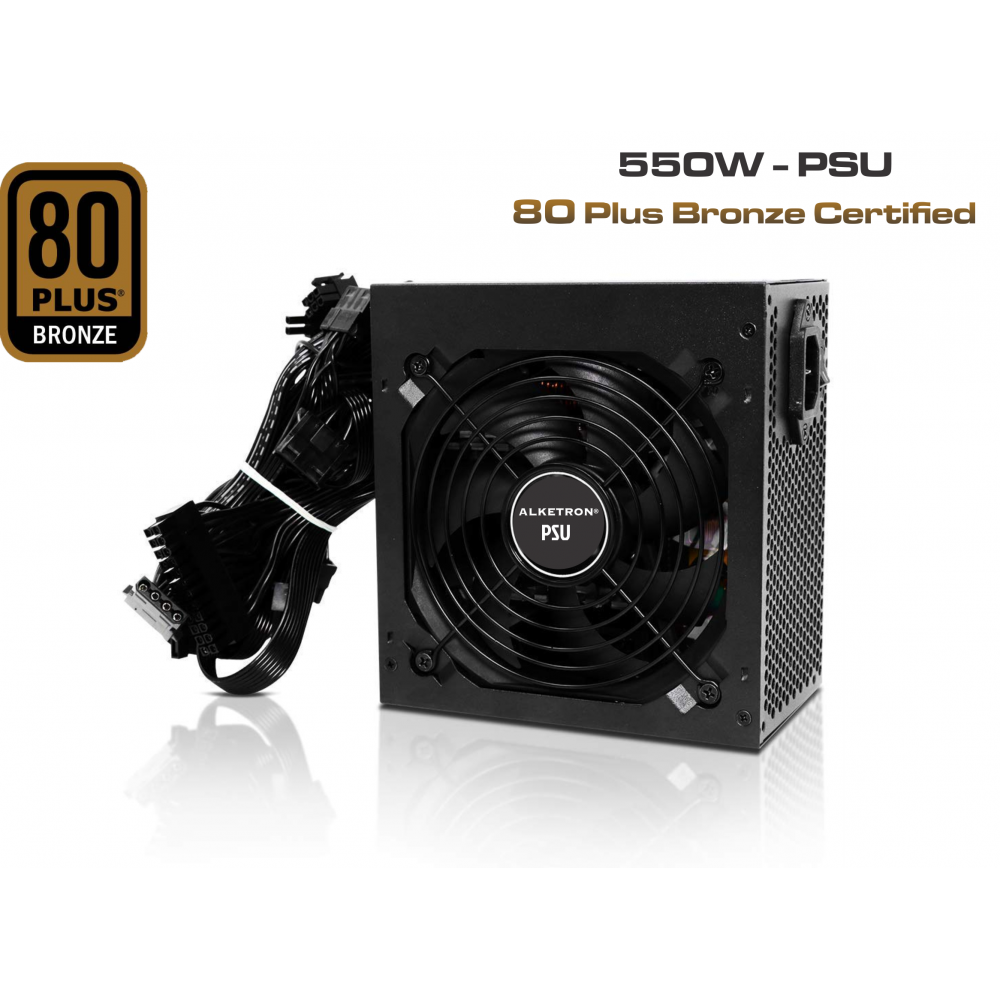
Modern hardware architectures demand clean, stable power delivery. The power supply unit (PSU) has evolved from a basic voltage converter into a smart, high-efficiency subsystem that dictates the performance ceiling of modern computing, data centers, and advanced electronics. As power densities climb and efficiency standards tighten, PSU engineering represents a critical frontier in modern technology.
Evolution of PSU Efficiency and Architecture
Historically, power conversion involved substantial energy losses, typically expelled as waste heat. Today, stringent environmental regulations and the sheer thermal output of high-performance processors have driven massive leaps in conversion topologies. Modern designs utilize advanced semiconductor materials like gallium nitride (GaN) and silicon carbide (SiC). These materials switch at significantly higher frequencies than traditional silicon counterparts, shrinking transformer sizes while minimizing switching losses.
Efficiency benchmarks have shifted dramatically. Standards like 80 PLUS and Cybenetics certifications evaluate units across extensive load matrices—ranging from low idle states to brief 110% overloads. Top-tier modern units achieve over 94% conversion efficiency under typical loads. This reduction in waste heat directly lowers cooling overhead in dense server racks and domestic desktop builds alike, improving overall system longevity.
Handling Transient Power Spikes
Modern graphics processors and artificial intelligence accelerators draw immense, instantaneous current surges. These transient spikes can trigger traditional over-current protections (OCP) falsely, causing sudden system shutdowns. Further analysis by Bloomberg delves into related views on the subject.
To combat this, recent PSU designs incorporate revised specifications like ATX 3.1 and PCIe 5.1 standards. These protocols dictate that a unit must withstand total power excursions up to twice its rated wattage for short durations. Native connectors like the 12V-2x6 interface feature dedicated sideband pins for real-time current monitoring. If a connector begins to seat improperly or experience dangerous thermal runaway, smart internal integrated circuits communicate directly with system management software to throttle or halt power before damage occurs.
Digital Monitoring and Smart Power Management
Analog regulation is giving way to digitally controlled power supplies equipped with internal microcontrollers (MCUs). These units monitor input voltage, output current, temperature, and fan speeds in real time.
Users and system administrators can interface directly with the PSU via internal USB or SMBus connections to log telemetry data, adjust fan curves, or configure rail profiles (switching between single-rail and multi-rail over-current protection). This level of software integration transforms a passive component into an active diagnostic tool, preventing hardware failures before they manifest.
Key Electrical Protections in Modern Units
- Over-Voltage Protection (OVP): Shields sensitive components if output voltage exceeds safe thresholds.
- Short-Circuit Protection (SCP): Instantly cuts power if a direct short is detected on any rail.
- Over-Temperature Protection (OTP): Shuts down the unit if internal temperatures exceed safe operating limits.
- Over-Power Protection (OPP): Prevents damage when total draw exceeds the rated capacity of the supply.
For deeper technical specifications on testing protocols, visit Cybenetics or review industry hardware standards outlined by Intel.
Form Factor Reductions and Modular Versatility
Space constraints in modern electronics—ranging from ultra-compact small form factor (SFF) desktop chassis to dense edge-computing enclosures—have forced dramatic physical redesigns. Planar magnetics and vertical component stacking allow high-wattage units to occupy a fraction of their historical volume without sacrificing thermal performance.
Cable management has also undergone an overhaul. Fully modular designs allow builders to attach only the specific cables required for a given setup. This eliminates interior cable clutter, optimizes internal airflow, and simplifies maintenance routines.
Frequently Asked Questions
What does efficiency certification actually mean for daily use?
Efficiency ratings indicate how well a unit converts alternating current (AC) from a wall outlet into direct current (DC) for internal components. Higher efficiency means less electricity is wasted as heat, resulting in lower operating costs and a quieter system.
Why are transient spikes causing issues with older power supplies?
Modern processors and GPUs can shift from low power to maximum draw in microseconds. Older PSU protection circuits misinterpret these lightning-fast spikes as short circuits, tripping safety shutdowns.
How do I choose the correct wattage for a high-performance build?
Calculate the combined peak draw of your central processor and graphics card, then add a 30 to 40 percent safety buffer. This ensures the unit operates in its peak efficiency window and easily absorbs transient load spikes.
Are digital power supplies worth the investment?
For standard office workstations, analog units are sufficient. For high-end gaming rigs, server environments, or overclocking builds, digital monitoring provides valuable telemetry and advanced safety protections that justify the cost.



