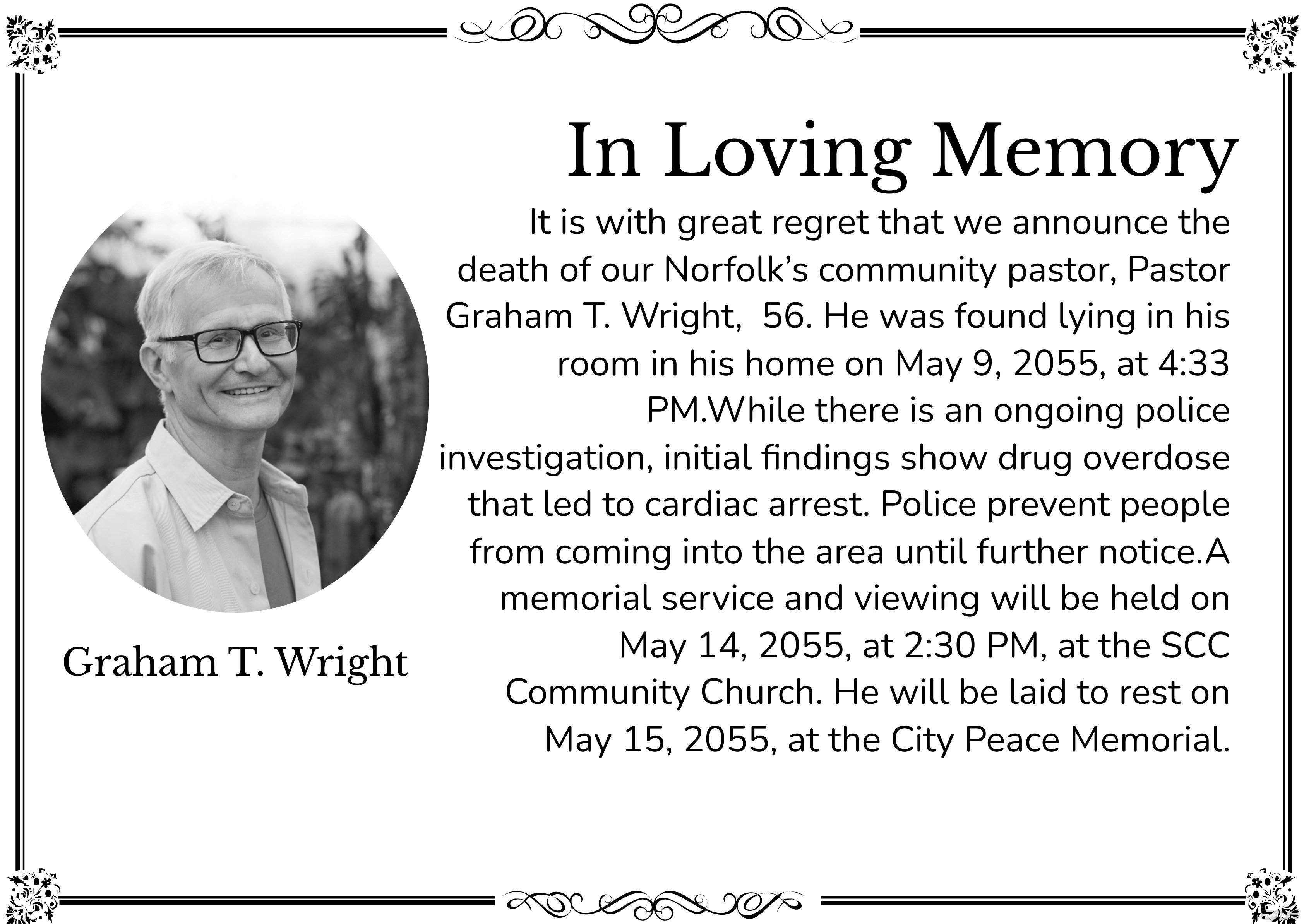
Traditional death notices serve a basic purpose. They announce a passing, list surviving family members, and note the time of a memorial service. Yet regional publications like The Post-Star offer something far deeper for local historians and families alike. Archives of regional newspapers preserve the texture of everyday life across upstate New York. When you look closely at these records, you find snapshots of community history that official vital statistics miss entirely.
Researching a post star obituary means navigating decades of local reporting, changing social customs, and evolving newspaper formats. You aren't just looking for a date of death. You're tracking how a person shaped their neighborhood, worked in local industries, or participated in civic life. Let's look at how these notices function, how to find them, and how to write a meaningful tribute yourself.
Understanding Regional Obituary Archives
Local newspapers operate differently than national outlets. They capture hyper-local details that reflect the economic and social backbone of a specific region. For generations, hometown papers recorded births, marriages, graduations, and deaths with an intimacy that larger metropolitan dailies couldn't match.
When families submit a notice to a regional publication, they often include personal anecdotes, club memberships, and career milestones. Over time, these daily entries accumulate into a massive genealogical database. If you're tracing ancestry or studying regional migration, these archives act as a primary roadmap. They connect names to places, employers, and social institutions.
Researchers often hit roadblocks because older records weren't digitized with modern search engines in mind. Microfilm reels, physical clipping files, and fragmented indexes require patience. Knowing what to look for changes everything. Instead of typing a name and hoping for an exact match, you need to understand how local newspapers structured their vital statistics sections across different eras.
The Evolution of the Newspaper Notice
Newspaper notices have transformed dramatically over the past century. Early 20th-century notices were brief, factual statements. Editors charged by the line, which kept descriptions sparse. You might only see a name, an age, a cause of death in broad terms, and the funeral arrangements.
By the mid-century mark, notices expanded. Families began including work histories, military service records, and surviving relatives. This shift turned simple death announcements into miniature biographies. People wanted a permanent record of a life well lived, not just a logistical notification of a funeral.
Today, digital platforms have changed the format once again. Online memorials often include photo galleries, guestbooks for condolences, and interactive candle-lighting features. Even so, the core archive remains tethered to the traditional newspaper format. Families still value the permanence of print alongside digital reach. This blend of old and new creates unique challenges for preservation and searchability.
How to Research Historical Records
Finding an older notice requires a strategic approach. If you're hunting through archives, you can't rely on a single database. Public libraries and historical societies hold keys that commercial genealogy sites miss.
Start with structured steps to narrow down your search:
- Gather known dates, maiden names, and likely residential towns before opening any archive.
- Check local library databases or historical society holdings that specialize in regional New York history. You can explore regional resources through the New York Public Library for general historical research methodologies.
- Search variants of spelling for surnames, as transcription errors are common in older digitized indexes.
- Cross-reference dates with cemetery records or Find a Grave entries to confirm the exact day of passing.
- Expand your date window by a week on either side. Newspapers often published notices days after the actual event due to printing schedules.
Don't ignore the social pages surrounding the obituary section. Weddings, club meetings, and local sports often feature the same individuals. These surrounding articles flesh out the person's story, turning a flat genealogical entry into a vivid portrait.
Writing a Compelling Modern Notice
If you're tasked with writing a notice for a family member today, you have more creative freedom than previous generations did. You don't have to stick to rigid, dry formulas. You can capture personality, humor, and individual quirks while still honoring the solemnity of the occasion.
Focus on storytelling rather than just listing chronological data. Mention passions, favorite pastimes, and defining characteristics. Did they bake the best apple pie in Warren County? Did they spend every weekend fixing classic cars? These details matter. They give readers a real sense of who the person was.
Avoid generic corporate language or overly dramatic clichés. Keep the tone authentic to the individual. If they hated formal events, a stiff, overly formal write-up might miss the mark. Balance the practical details—like service times and memorial contributions—with narrative elements that celebrate their unique journey.
If you need guidance on managing estate matters or official notifications alongside writing a tribute, the USA.gov portal offers practical checklists for dealing with the death of a family member.
Common Research and Writing Mistakes
Researchers and writers often stumble over a few recurring hurdles. Avoiding these mistakes saves time and prevents frustration.
Don't assume spelling was static. Census takers, typesetters, and local reporters frequently misspelled names. If you can't find a record, drop the vowels or search by initials and street addresses.
When writing, don't bury the practical information. Friends and distant relatives look at these notices primarily to find out when and where services take place. Make sure dates, times, and venue names stand out clearly, even if the rest of the text reads like a creative biography.
Another frequent error is relying entirely on keyword searches in optical character recognition software. OCR software struggles with faded ink, damaged microfilm, and old gothic fonts. If a digital search yields nothing, browse the page images manually column by column.
Frequently Asked Questions
How do I access archived regional notices from decades ago?
Local public libraries, regional historical societies, and state archives hold extensive microfilm collections. Many regional papers also partner with digital archiving services like Newspapers.com, though free access is often available through local library card accounts.
Why do some historical notices lack family details?
In the early and mid-20th century, newspapers charged fees per line or word. Families often kept notices short to manage costs. Social norms at the time also dictated a more formal, less personal tone for public announcements.
Can I update or correct an online memorial after it's published?
Digital platforms usually allow edits or additions, such as uploading new photographs or updating memorial donation information. Print editions, however, cannot be changed once printed, though families sometimes publish a follow-up correction or remembrance notice.
What information should I include besides the date of death?
Include full names, maiden names, birth locations, career highlights, military service, surviving family members, and details regarding charitable donations or memorial services. Personal hobbies and community involvement add meaningful depth.



