Port Huron sits at the Blue Water Bridge gateway where Lake Huron feeds into the St. Clair River, marking a profound shift from a fading Rust Belt town into a resilient economic and cultural hub. Decades of manufacturing shifts left empty storefronts and declining populations, forcing civic leaders, local business owners, and regional partners to rethink how a mid-sized lakeside community survives. Rather than waiting for heavy industry to return, the city leveraged its geographic advantages, waterfront access, and entrepreneurial spirit to spark a quiet urban revival.
This transformation relies on targeted downtown investments, green energy initiatives, and modernizing local workforce pipelines. Visitors and new residents now find a walkable central core, expanding recreational waterfronts, and emerging technology sectors that refuse to rely on past economic models. Understanding how Port Huron managed this turnaround offers a blueprint for other industrial towns facing similar demographic and economic pressures.
Downtown Revitalization and Public Space Investments
Economic renewal starts on the street level. For years, downtown Port Huron suffered from vacant commercial spaces and car-centric infrastructure that discouraged pedestrian foot traffic. City planners and community stakeholders addressed this by securing funding for major streetscape overhauls, pedestrian walkways, and public parks designed to draw people back to the core.
Projects like the central business district updates improved street lighting, added modern green infrastructure, and expanded outdoor dining spaces for local eateries. Public-private partnerships played a massive role here, allowing independent retailers and cafes to open without facing prohibitive zoning hurdles.
- Pedestrian Access: Widened sidewalks and traffic-calming measures make the shopping district safer for families and shoppers.
- Public Parks: Upgraded green spaces along the water give residents year-round access to outdoor recreation without leaving city limits.
- Historic Preservation: Restoring historic building facades preserves local character while providing modern, energy-efficient interiors for new businesses.
Independent businesses anchor this retail recovery. Gathering spots like local coffee shops and artisan bakeries act as social infrastructure, giving residents a reason to linger downtown. By fostering an environment where independent operators can afford commercial leases, the city avoided the sterile uniformity of suburban strip malls.
Waterfront Access and Eco-Tourism
Port Huron's greatest asset has always been its geography, yet for generations, industrial use cut residents off from the water. Reclaiming the shoreline became a central pillar of the city's reinvention strategy.
The development of the Bluewater Riverwalk transformed miles of industrial riverfront into a continuous recreational trail for walkers, cyclists, and anglers. Parks along the water now host community events, farmers markets, and outdoor concerts, turning the shoreline into an active social gathering space.
This pivot toward eco-tourism capitalized on the natural landscape. Kayaking, recreational boating, and sportfishing draw thousands of visitors from across Michigan and neighboring Ontario every summer. Local outfitters and hospitality businesses benefit directly from this seasonal influx, creating service-sector jobs that didn't exist twenty years ago. Protecting these natural assets requires careful environmental management, ensuring that increased tourist traffic doesn't compromise water quality or local wildlife habitats.
Economic Diversification and Tech Integration
Relying entirely on manufacturing made Port Huron vulnerable to broader economic downturns. The city's modern reinvention includes aggressive diversification into green technology, advanced materials, and logistics.
Sustainable manufacturers and recycling innovators established facilities in the area, drawn by access to major transportation corridors and a workforce eager for stable employment. These companies brought higher-paying technical roles, shifting the local employment base away from low-wage retail and service jobs.
- Advanced Manufacturing: Modern production facilities focus on sustainable goods, reducing environmental footprints while creating skilled trades positions.
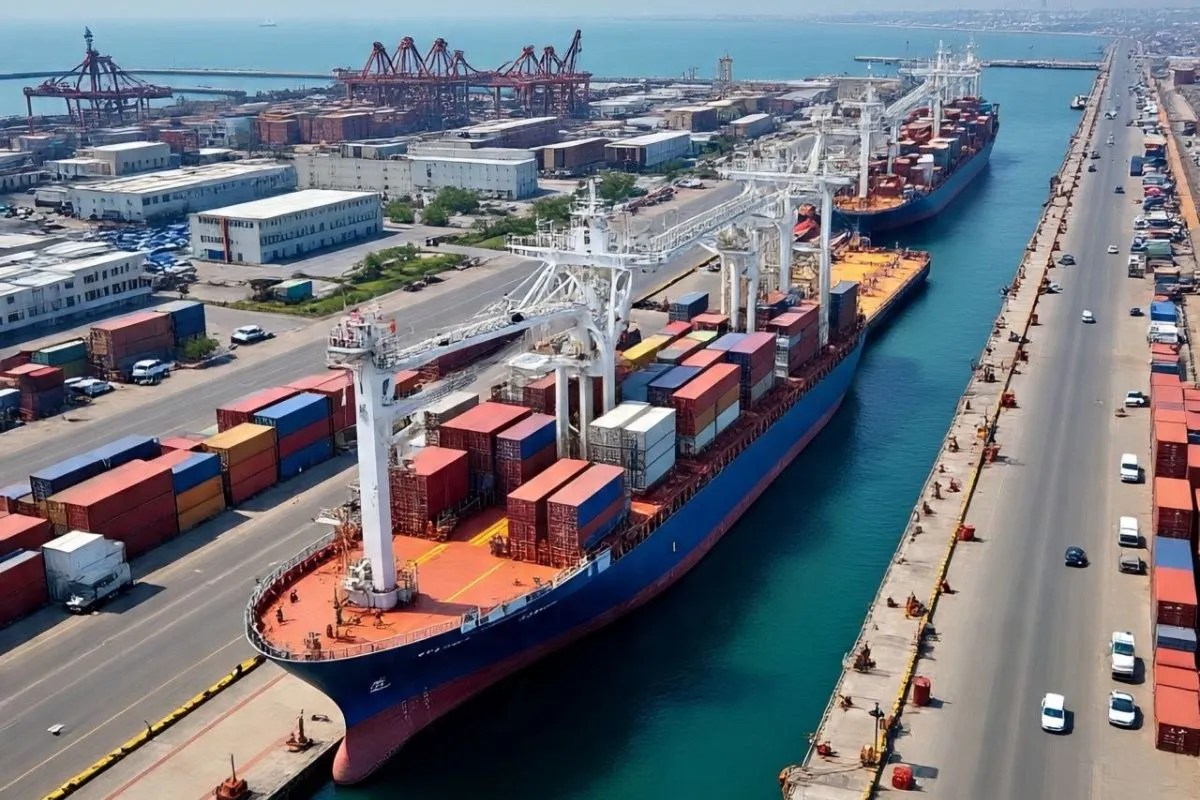
- Logistics Advantage: Proximity to the Canadian border via the Blue Water Bridge makes the city an attractive hub for cross-border freight and supply chain operations.
- Green Infrastructure: Municipal investments in energy-efficient street lighting and solar programs lower city operating costs while signaling a commitment to environmental stewardship.
Workforce Development and Education Pipelines
Attracting new industries means little if local workers lack the necessary technical skills. Port Huron addressed this bottleneck by aligning public education, vocational training, and higher education initiatives with the needs of modern employers.
The local school district integrated STEM programming and makerspaces early in the curriculum, encouraging problem-solving and technical literacy from a young age. Meanwhile, regional educational service agencies stepped up adult training programs, offering targeted courses in data analytics, digital marketing, and advanced manufacturing protocols.
When workers can upskill locally, companies don't need to import talent from major metropolitan areas. This closed-loop system keeps young professionals in the region, stabilizing housing markets and boosting local tax revenues.
Frequently Asked Questions
What caused Port Huron's economic decline initially?
Like many communities throughout the industrial Midwest, Port Huron experienced a sharp economic decline due to the contraction of heavy manufacturing, factory relocations, and regional population shifts toward larger metropolitan areas during the late 20th century.
How is the city funding these urban renewal projects?
Funding comes from a mix of municipal budget realignments, state economic development grants, federal infrastructure programs, and private investments from commercial developers and local business owners.
Are these changes making the city less affordable for long-term residents?
While downtown property values increased alongside the revitalization, municipal leaders and local housing advocates continue working on mixed-income housing initiatives to prevent displacement and ensure long-term residents benefit from the economic upswing.
What role does the Canadian border play in the local economy?
The Blue Water Bridge connects Port Huron directly to Sarnia, Ontario, making international trade, customs brokerage, and cross-border logistics major economic drivers for local employment and commercial transport.



