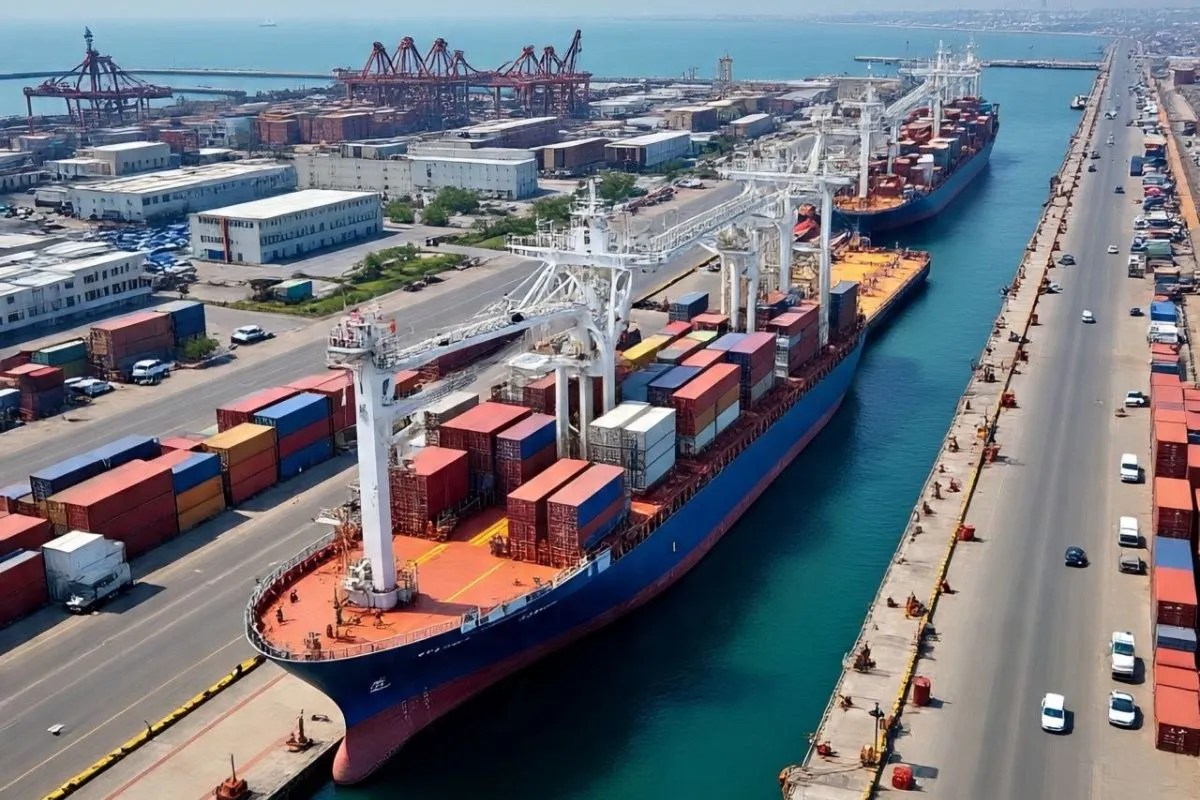
Port Elizabeth, officially renamed Gqeberha, sits along the sweeping shores of Algoa Bay as one of South Africa's most underrated coastal destinations. Known locally as the "Friendly City," it combines deep colonial history, expansive golden beaches, and immediate access to world-class wildlife reserves. Unlike the hyper-commercialized hubs of Cape Town or Johannesburg, this coastal gem offers a relaxed pace where you can explore 19th-century architecture in the morning and track wild elephants by the afternoon.
Understanding the Local Context and Geography
Port Elizabeth functions as the eastern anchor of South Africa's famous Garden Route. Its Mediterranean climate brings mild winters and warm summers, making it an accessible year-round stop. The city stretches along kilometers of pristine coastline, merging urban convenience with rugged natural beauty.
When you plan a visit here, don't treat the city as a mere transit point. It holds a distinct identity shaped by its maritime heritage, Xhosa culture, and Victorian architecture. Navigating the area is straightforward, but renting a car remains essential if you want to explore the surrounding nature reserves and coastal hidden spots beyond the central business district.
Core Attractions That Define the City
The Donkin Heritage Trail and Route 67
History buffs find their footing at the Donkin Reserve, an urban park overlooking Algoa Bay. Sir Rufane Donkin founded the city in 1820 and dedicated a stone pyramid monument here to his late wife, Elizabeth, after whom the city was named. Right beside it stands a striking 1861 lighthouse.
This site serves as the starting point for Route 67, a collection of public art pieces and historic structures. The number 67 represents the years Nelson Mandela dedicated to public service. Walking this trail exposes you to vibrant mosaic work, sculptures, and restored Victorian terrace homes along Alfred Terrace that showcase the artistic soul of the Eastern Cape.
Fort Frederick
Perched on a hill overlooking the harbor, Fort Frederick stands as the oldest stone building in the Eastern Cape. Built by the British in 1799 to defend against French naval attacks, it holds a unique claim to fame: its vintage cannons never fired a single shot in battle. Today, the grounds are free to enter, offering sweeping views of the port and an authentic look at early military fortification in South Africa.
Urban Beaches: King’s Beach and Hobie Beach
The coastline defines daily life in the city. King’s Beach features over a mile of wide, golden sand backed by calm swimming waters and tidal pools. Further down the shore, Hobie Beach acts as a hub for watersports, beach volleyball, and local events. It also features the iconic Shark Rock Pier, which extends out into the warm Indian Ocean and provides panoramic views of the entire bay.
Wildlife and Nature Reserves Near the City
Addo Elephant National Park
You can't visit the region without experiencing Addo Elephant National Park, located less than an hour's drive from downtown. As the third-largest national park in South Africa, it protects hundreds of African elephants alongside lions, leopards, black rhinos, and buffaloes.
- Self-Drive Safaris: Rent a standard sedan or SUV and navigate the well-maintained gravel roads at your own pace.
- Guided Game Drives: Book an open-vehicle tour with a ranger to spot nocturnal species and gain deeper ecological insights.
- Marine Extension: The park's boundaries stretch all the way to Algoa Bay, encompassing islands that host the world's largest breeding colony of Cape gannets.
Kragga Kamma Game Park
For a quick wildlife fix without leaving the municipal boundary, Kragga Kamma Game Park offers an intimate coastal forest setting. White rhinos, cheetahs, zebras, and giraffes roam freely through the lush vegetation. You can drive through independently or book a two-hour guided safari in an open-air vehicle for close-up viewing.
Common Traveler Mistakes to Avoid
- Skipping a Rental Car: Relying solely on rideshares or public transit limits your ability to reach coastal trails and nearby game parks. Rent a vehicle directly at Chief Dawid Stuurman International Airport.
- Underestimating Weather Changes: The coastal winds shift rapidly. Pack a windbreaker even on sunny summer days, especially if you plan to walk the ocean piers or visit exposed headlands like Cape Recife.
- Rushing the Garden Route: Many travelers treat Port Elizabeth as a quick 24-hour stopover. Give the city and its immediate surrounds at least three full days to experience both urban history and wilderness safaris.
Frequently Asked Questions
What is the current name of Port Elizabeth?
The city was officially renamed Gqeberha in 2021, derived from the Xhosa name for the Baakens River. Both names are still widely used by locals and international guidebooks.
Is Port Elizabeth safe for tourists?
Like any major urban center, standard safety precautions apply. Stick to well-lit tourist areas, secure your valuables, avoid walking alone on isolated beaches after dark, and ask your accommodation hosts for local security advice.
How many days do I need in the area?
Plan for three to four days. This allows one day for city heritage sites like Route 67, one day for Addo Elephant National Park, and a final day for coastal relaxation and beach walks.
Can you see marine wildlife from the shore?
Yes. During the winter months (typically June to November), humpback and southern right whales frequently breach in Algoa Bay. You can spot them directly from Summerstrand promenade or book a dedicated ocean eco-cruise from the harbor.



