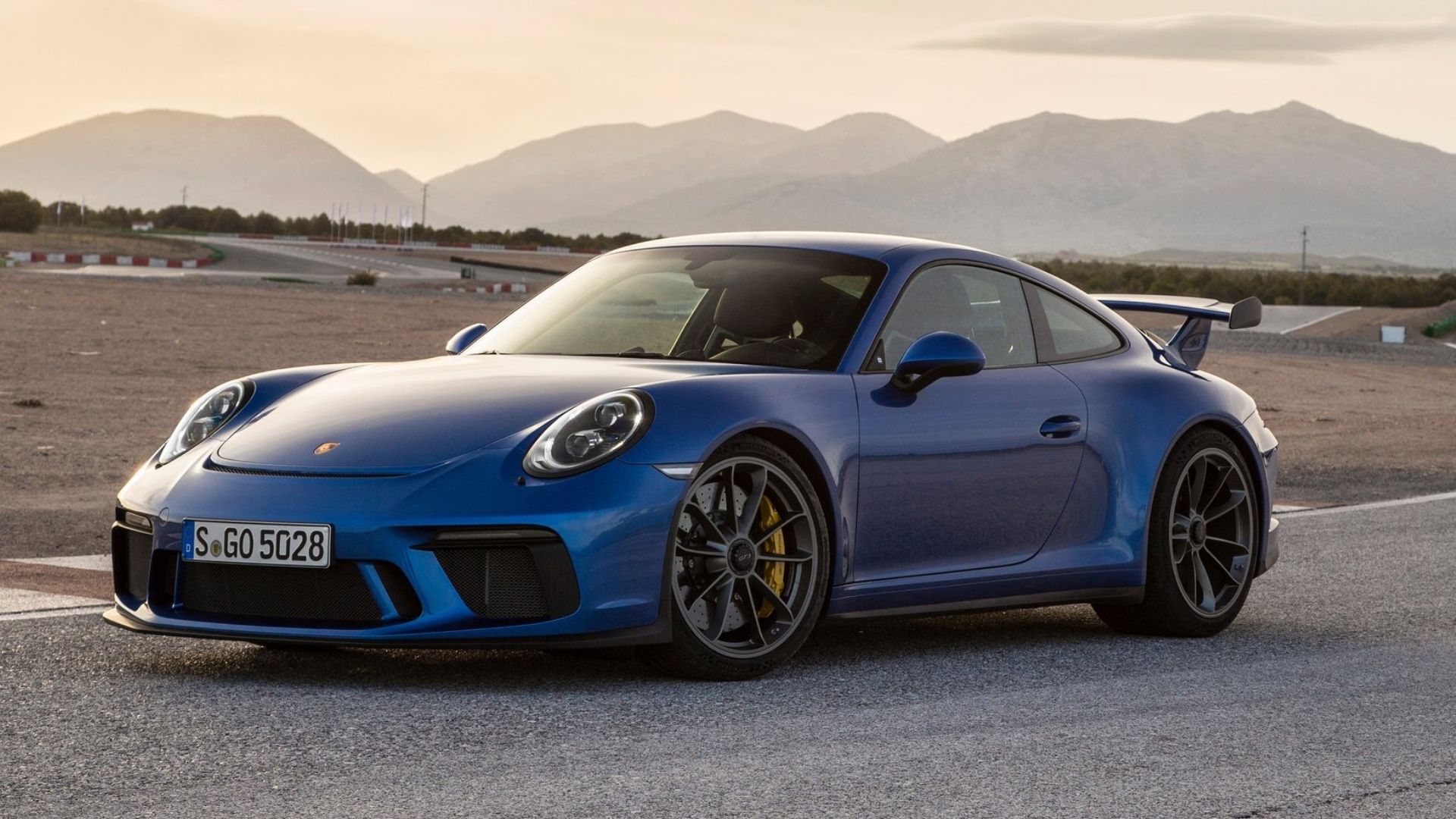
The Porsche 987 generation—encompassing the Boxster and Cayman built between 2005 and 2012—delivers hydraulic steering feel, balanced mid-engine handling, and analog driver engagement that modern sports cars routinely lack. If you want pure driving feedback without digital interference, you're looking at the right car.
Prices have stabilized, making these models exceptionally tempting alternatives to newer, heavier machinery. Yet, buying one requires sorting through distinct mechanical eras, engine quirks, and maintenance realities. Let's break down whether the 987 still deserves a spot in your garage.
Understanding the 987 Lineup: 987.1 vs 987.2
Porsche split this generation into two distinct phases. Knowing the difference between them dictates your maintenance budget and long-term ownership peace of mind.
The 987.1 Era (2005–2008)
The first-generation cars retain classic styling cues and raw mechanical feedback. However, they carry well-documented engine vulnerabilities that demand your attention.
- Engines: Base models used 2.7-liter flat-sixes, while S models upgraded to a 3.2-liter (switching to a 3.4-liter for 2007–2008).
- The IMS Fear: Early 2005 models feature the serviceable intermediate shaft bearing with a higher failure rate. Mid-2005 onward received a heavier, more robust bearing, and Caymans (introduced for 2006) dodged the early single-row design entirely.
- Bore Scoring Risk: The 3.4-liter engines found in 2007–2008 S variants carry a legitimate risk of cylinder bore scoring. Cold climates and short trips accelerate this issue, which manifests as a subtle ticking noise and increased oil consumption.
The 987.2 Era (2009–2012)
Porsche heavily revised the platform for the 2009 model year, introducing direct fuel injection (DFI) engines and permanently solving the intermediate shaft concern by eliminating it.
- Engines: Base models grew to 2.9 liters (retaining port injection and lower bore-scoring rates), while S variants received a direct-injected 3.4-liter.
- Transmissions: The old Tiptronic automatic was replaced by the lightning-fast seven-speed dual-clutch PDK transmission. Manual gearboxes remained standard and bulletproof.
- The Catch: Because of their improved reliability and lower production numbers, 987.2 models command a steep financial premium on the used market.
Driving Dynamics: Boxster Versus Cayman
Both body styles share a chassis architecture, but they offer distinct experiences behind the wheel.
The Boxster delivers open-top theater. Wind in your hair amplifies the flat-six mechanical wail behind your ears. Chassis rigidity on the 987 generation improved dramatically over the older 986, resulting in minimal cowl shake.
The Cayman adds a fixed steel roof, boosting torsional rigidity by roughly double compared to its open-top sibling. This extra stiffness sharpens turn-in response and makes the car happier on a racetrack.
Both cars utilize hydraulic power steering. You feel every texture of the asphalt through the steering wheel rim—a sensation modern electric power steering setups filter out completely. Weight distribution is near-perfect, allowing you to carry high cornering speeds with supreme confidence.
Common Mechanical Issues to Inspect
Even though these cars wear the Porsche badge proudly, they are aging machines. Expect standard rubber degradation and ancillary failures alongside headline engine concerns.
- Suspension Refresh: Rubber bushings, control arms, and coil springs tire out around 80,000 miles. A tired suspension makes the car wander on the highway; fresh components restore showroom crispness.
- Cooling System Failures: Radiators and A/C condensers sit low in the front bumper. They collect road debris and leaves, leading to corrosion and leaks. Check the footwells for dampness caused by blocked soft-top drains.
- Bore Scoring Inspection: If you look at any 3.4-liter S model, insist on a pre-purchase inspection (PPI) that includes borescoping the cylinders through the spark plug holes. Skipping this step is a massive gamble.
Practicality and Daily Usability
Sports cars usually demand heavy compromises, but the 987 layout provides clever utility. Because the engine sits in the middle, you get two trunks—a deep front well and a rear hatch space. You can easily pack grocery bags, gym gear, or weekend luggage for two.
Fuel economy hovers around 20 mpg in mixed driving, stretching to 28 mpg on highway cruises. Cabin ergonomics are straightforward, though early soft-touch dashboard plastics scratch easily. Upgrading the head unit to a modern Apple CarPlay or Android Auto touchscreen is a common weekend project that brings the interior tech into the current decade.
Frequently Asked Questions
Which 987 model year is the most reliable?
The 987.2 models (2009–2012) offer the highest reliability because they feature direct-injection engines without an intermediate shaft. For a tighter budget, a late 2005 or 2006 base model with the updated bearing represents a safer entry point.
Is the base model fast enough, or do I need an S?
The base 2.7-liter and 2.9-liter engines require you to wring out the revs to extract maximum power, which is part of the fun on twisty backroads. If you want straight-line punch, the S models deliver, but base cars let you use full throttle legally for longer periods on public streets.
How much should I budget for annual maintenance?
Set aside $1,000 to $2,000 annually for routine servicing, tire wear, and preventative care when using an independent Porsche specialist. Dealership labor rates will push these numbers higher.
Should I buy a manual or a PDK transmission?
Purists prefer the six-speed manual for absolute engagement. However, the PDK dual-clutch transmission shifts faster than any human can and transforms the car into an effortless daily commuter without sacrificing backroad thrills.



