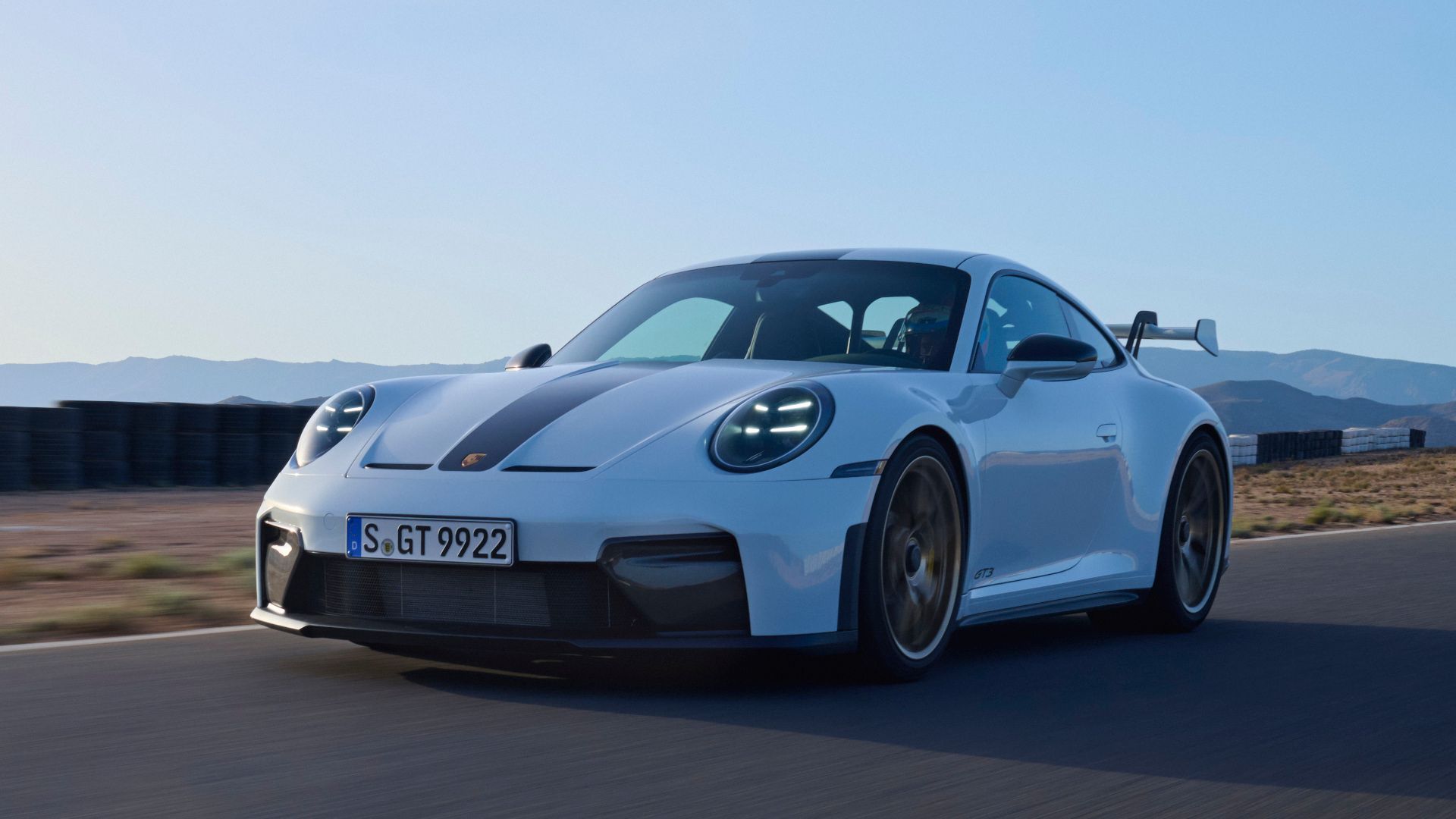
Porsche hasn't built a true flagship hypercar since the Porsche 918 Spyder wrapped up production in 2015. Automotive enthusiasts have spent over a decade tracking rumors, patents, and concept cars waiting for a successor. The official project—previewed heavily by the Mission X concept—aims to redefine what ultra-high-performance vehicles can achieve on both road and track.
The next-generation halo car is designed to claim the Nürburgring lap record for road-legal production vehicles, a title currently held by fierce rivals. Rather than relying solely on traditional combustion, Porsche is engineering a machine built around cutting-edge aerodynamics, extreme power-to-weight ratios, and advanced battery technology.
The Vision Behind the Next Porsche Hypercar
When Porsche debuted the Mission X concept, they outlined three explicit targets for the production vehicle: a 1:1 power-to-weight ratio in kilograms, significantly more downforce than a 911 GT3 RS, and charging architecture that outperforms anything currently on the market.
Unlike the 918 Spyder, which utilized a naturally aspirated V8 paired with dual electric motors, the structural blueprint for the successor focuses heavily on pure electric propulsion or highly specialized hybrid configurations depending on final platform adjustments. Porsche's engineering team wants to prove that battery-electric platforms can sustain punishing track conditions without immediate thermal degradation.
Core Performance Targets
- Power-to-Weight Ratio: Targeting roughly one horsepower per kilogram, which points to an output near 1,500 horsepower if the car hits target weight limits around 1,400 to 1,600 kilograms.
- Aerodynamics: Active aero elements integrated directly into the body shell, producing downforce levels that eclipse modern GT racing variants.
- Layout: A mid-mounted battery pack arranged "e-core" style behind the seats to mimic the handling and weight distribution characteristics of a mid-engine combustion supercar.
Powertrain and Charging Innovation
One of the biggest hurdles for electric performance vehicles is maintaining peak power over multi-lap stints. Porsche's development centers around a 900-volt system architecture. This setup allows the vehicle to draw massive current without overheating wiring harnesses or battery cells prematurely.
Charging speed is another major pillar. Engineers designed the electrical system to accept high-speed replenishment at roughly double the rate of a Taycan Turbo S. Drivers can expect a 10 to 80 percent charge cycle in approximately ten minutes, minimizing downtime during track days.
Design and Interior Layout
The exterior styling draws inspiration from historic endurance racers like the 917. Le Mans-style doors open upwards and forwards, exposing a minimalist carbon-fiber tub. Staggered wheels—20 inches up front and 21 inches at the rear—are optimized to channel cooling air directly into the carbon-ceramic brake assemblies while reducing drag.
Inside, the cabin strips away luxury clutter in favor of driver focus:
- A motorsport-derived steering yoke replaces traditional round wheels.
- Fixed carbon-fiber bucket seats are molded directly into the tub structure, using targeted padding and six-point harnesses.
- An integrated stopwatch mounted on the passenger dash pays homage to classic rally and endurance racing telemetry instruments.
Production Timeline and Market Position
While concept versions generated global attention, final production timelines point toward a rollout closer to 2027 or 2028. Porsche is taking its time to ensure the vehicle meets its lofty performance metrics before locking in assembly lines.
Pricing will easily clear the million-dollar threshold, positioning the car directly against ultra-exclusive offerings from Ferrari and McLaren in the upper echelon of the hypercar market.
Frequently Asked Questions
What will the official name of the 918 successor be?
Porsche hasn't confirmed a production moniker. While the concept was named the Mission X, historical naming conventions mean the final production car will likely receive a completely different numerical or alphabetic designation.
Will the 918 successor be fully electric?
Porsche designed the core platform as an all-electric vehicle, though evolving market demands and shifting corporate powertrain strategies mean engineering teams retain flexibility for alternative high-output configurations.
How fast will it charge?
The vehicle targets a 900-volt architecture capable of charging up to twice as fast as current production EVs like the Taycan, translating to a 10% to 80% top-up in about ten minutes.
How many units will Porsche build?
Production numbers haven't been finalized, but given the hand-assembled nature of carbon-fiber hypercars and Porsche's shift toward high-margin exclusivity, total volume will likely stay strictly limited, mirroring the 918-unit run of its predecessor.