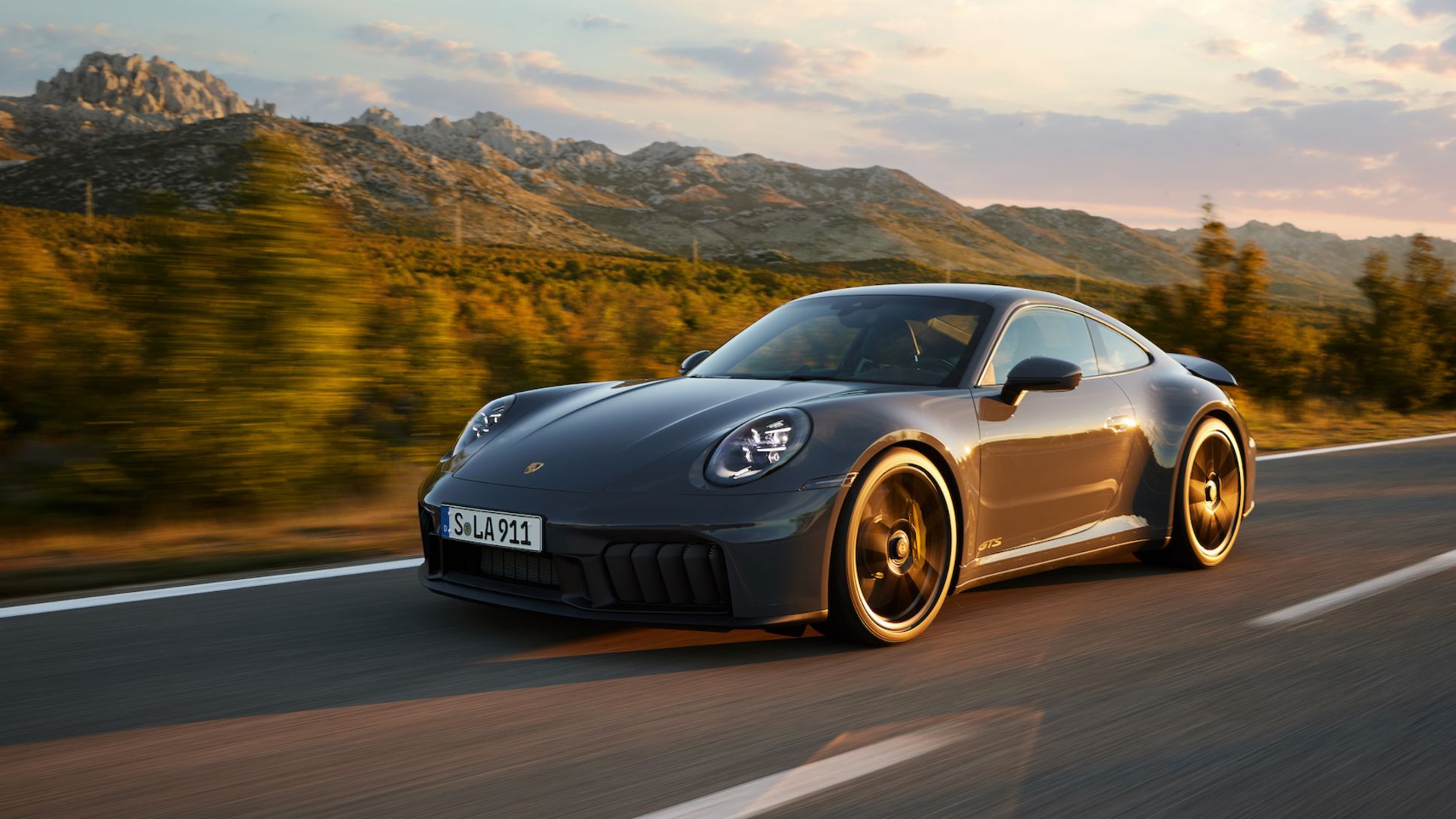
Porsche is completely reshaping its entry-level sports car formula. The upcoming electric successor to the gas-powered Boxster and Cayman is moving closer to production, with a scheduled launch in 2027 and a full production ramp-up planned for 2028. Rather than adopting the standard floor-mounted "skateboard" battery layout seen in most modern EVs, Porsche's engineers engineered a custom mid-engine packaging solution. This prototype gives us a clear look at how traditional sports car ergonomics can survive the transition to electrification.
Transitioning a lightweight two-seater to battery power without destroying its low-slung stance presented major engineering hurdles. While the internal combustion engine is gone, the structural architecture of the new electric 718 breaks away from industry norms to preserve the driving dynamics enthusiasts expect.
The Custom E-Core Battery Layout
Most electric vehicles stack battery cells flat beneath the cabin floor, raising the overall height of the vehicle. For a low-slung roadster or coupe, that extra height ruins both the exterior proportions and the driver's seating position. Porsche solved this by developing what it calls the E-Core battery layout.
Instead of an underfloor skateboard, the battery modules are stacked in a custom three-module, two-level configuration packed directly behind the passenger seats—right where the traditional flat-six engine used to sit.
- Weight Distribution: This layout places roughly 55.2 percent of the car's weight over the rear axle, mimicking the handling characteristics of mid-engine sports cars.
- Seating Position: Because there are no battery cells under the floor, the driver and passenger sit low in the chassis, avoiding the upright, compromised seating angles common in typical EVs.
- Crash Structure: The bespoke mid-mounted pack acts as an integrated structural member of the car's safety cell.
Driving Dynamics and Simulated Gearshifts
Purists have long worried that instant torque and heavy battery packs would strip small sports cars of their analog feel. To combat this, Porsche focused heavily on chassis balance and feedback during prototype development at Weissach.
The prototype utilizes an 800-volt electrical architecture paired with a silicon carbide inverter for sustained thermal performance. While early specifications remain closely guarded by Porsche executives, testing iterations focus heavily on driver engagement.
To bridge the gap for traditionalists, development cars have featured software integrations like the E-Shift system. Borrowed and adapted from the Taycan ecosystem, this system can simulate gearshifts via steering wheel paddles, briefly cutting torque to mimic a dual-clutch transmission and playing a synthesized acoustic profile. Drivers can also switch this mode off, returning the paddles to standard regenerative braking control.
Production Timeline and Market Strategy
Porsche discontinued production of the internal combustion engine 718 models in late 2025, leaving a temporary gap in its two-door sports car lineup. The new electric variants are slated to make their formal market debut in 2027, with 2028 designated as their first full year of production.
This vehicle architecture isn't exclusive to Porsche; Volkswagen Group sister brands like Audi are utilizing related platform developments to share development costs for niche sports car segments. As testing prototypes shed their heavy camouflage on public roads, final homologation figures for range, weight, and power output will be officially revealed by Zuffenhausen.
Frequently Asked Questions
Will there still be a petrol-powered Porsche 718 option?
No. Porsche's strategic roadmap has dropped plans for a hybrid or gasoline-powered continuation of the 718. Moving forward, the Boxster and Cayman lines are strictly electric, while the iconic 911 retains its internal combustion and hybrid setups.
How does the 718 EV differ from the Taycan's platform?
While the Taycan and Macan Electric use traditional flat floor-mounted skateboard batteries, the 718 EV uses a custom mid-mounted "E-Core" battery pack stacked behind the seats. This keeps the center of gravity low and allows drivers to sit in a traditional sports car posture.
What is the expected release date for the electric 718?
Porsche has scheduled market introduction for 2027, with the first full year of high-volume production slated for 2028.
Will the electric 718 offer manual gear changes?
It features a single-speed transmission, but Porsche has tested software-driven simulated gearshifts through steering wheel paddles to replicate the feedback and acceleration breaks of a traditional dual-clutch automatic transmission.


