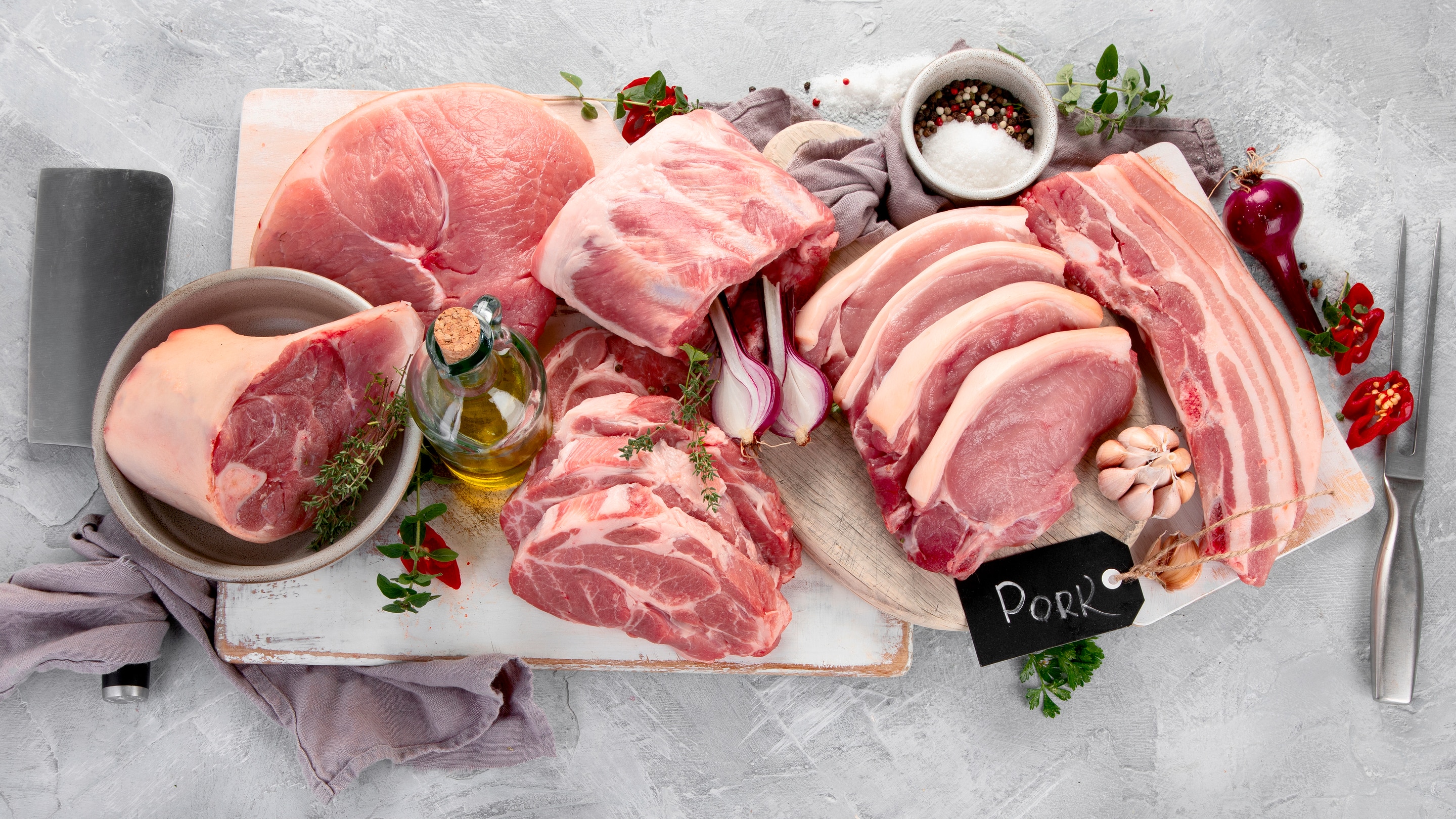
Cooking pork chops doesn't have to feel like a gamble. If you've ever bitten into a dry, chalky chop or worried about serving undercooked meat, you're not alone. The secret to a phenomenal pork chop comes down to understanding internal temperatures, letting physics do its job, and ditching outdated food safety rules.
For years, home cooks ruined good meat by overcooking it. The good news is that culinary standards have evolved. Today, you can serve pork that's juicy, tender, and completely safe without turning it into leather.
The Core Rule of Pork Chop Temperatures
The U.S. Department of Agriculture recommends cooking whole cuts of pork to an internal temperature of 145°F (63°C), followed by a mandatory three-minute rest time.
That single shift changed everything. Older generations grew up being told pork needed to hit 160°F or higher to be safe. Modern commercial farming and strict inspection standards changed that risk profile. Hitting 145°F kills harmful pathogens while preserving the natural moisture inside the muscle fibers.
If you pull your chops off the heat at 145°F and let them rest, carryover cooking will push the final temp up another few degrees. The result is pork that stays slightly pink in the center, tender enough to cut with a butter knife, and packed with flavor.
Why Overcooking Ruins Pork Chops
Pork is a lean protein. Unlike beef chuck or pork shoulder, which are loaded with connective tissue and fat that melt over hours of slow cooking, loin chops have very little intramuscular fat.
When you heat muscle protein past 150°F, the muscle fibers tighten up like tiny fists. They squeeze out their internal moisture, leaving you with dry fibers that stick in your teeth. Once pork passes 160°F, most of the natural juices are gone for good. No amount of gravy can fully rescue a severely overcooked chop.
Temperature Breakdown by Cut and Thickness
Different cuts require slightly different approaches. Thin, boneless chops cook in minutes, while thick, bone-in chops demand patience.
Thin Boneless Chops (Under 3/4 Inch)
Thin chops cook so fast that they transition from raw to overcooked in a matter of seconds.
- Target Temp: Pull them from the heat at 140°F to 142°F.
- Resting: Let them rest for three minutes, where they will coast up to 145°F.
- Cooking Method: High heat, short time. Pan-searing in a cast-iron skillet with a splash of oil works best here.
Thick Bone-In Chops (1 Inch to 2 Inches)
Thick chops give you a much better margin of error. The bone acts as an insulator, slowing down heat transfer near the center.
- Target Temp: Pull at 143°F.
- Resting: Give a thick chop five to eight minutes of rest time.
- Cooking Method: Sear the outside on the stovetop, then transfer the entire pan to a preheated oven at 400°F (200°C) until it hits the target temperature.
Common Mistakes When Cooking Pork
Even with a digital thermometer in hand, small errors can throw off your results. Watch out for these pitfalls:
- Sticking the probe into fat or bone: Fat and bone conduct heat differently than meat. If your thermometer tip touches the bone or a pocket of pure fat, you'll get a false reading that's way too high. Always insert the probe into the thickest part of the meat, away from bone and fat.
- Skipping the rest period: If you slice into a pork chop the second it leaves the pan, all the juices rush out onto the cutting board. Resting lets the muscle fibers relax and reabsorb that liquid gold.
- Pressing down on the meat: Pushing your chops down with a spatula or tongs squeezes out moisture. Let the pan do the work without any mechanical help.
Frequently Asked Questions
Is it safe to eat pork when it's slightly pink?
Yes. A slight blush of pink in the center of a pork chop cooked to 145°F is normal and desirable. That color comes from myoglobin and safe cooking practices, not danger.
What kind of thermometer should I use?
Skip the old dial-face thermometers that take thirty seconds to register. Invest in an instant-read digital meat thermometer. It gives you an accurate reading in two seconds, preventing accidental overcooking.
How do I fix tough pork chops if I already overcooked them?
If your chops ended up dry, slice them thinly against the grain and submerge them in a warm pan sauce, pan gravy, or apple cider reduction for a few minutes to rehydrate the surface texture.
Should I brine my pork chops?
Brining isn't strictly mandatory, but it's a great insurance policy. Soaking lean pork chops in a simple saltwater solution for 30 minutes before cooking forces extra moisture and salt into the muscle cells, making the meat much more resilient to accidental overcooking. For more tips on food preparation standards, check out the USDA Food Safety and Inspection Service.


