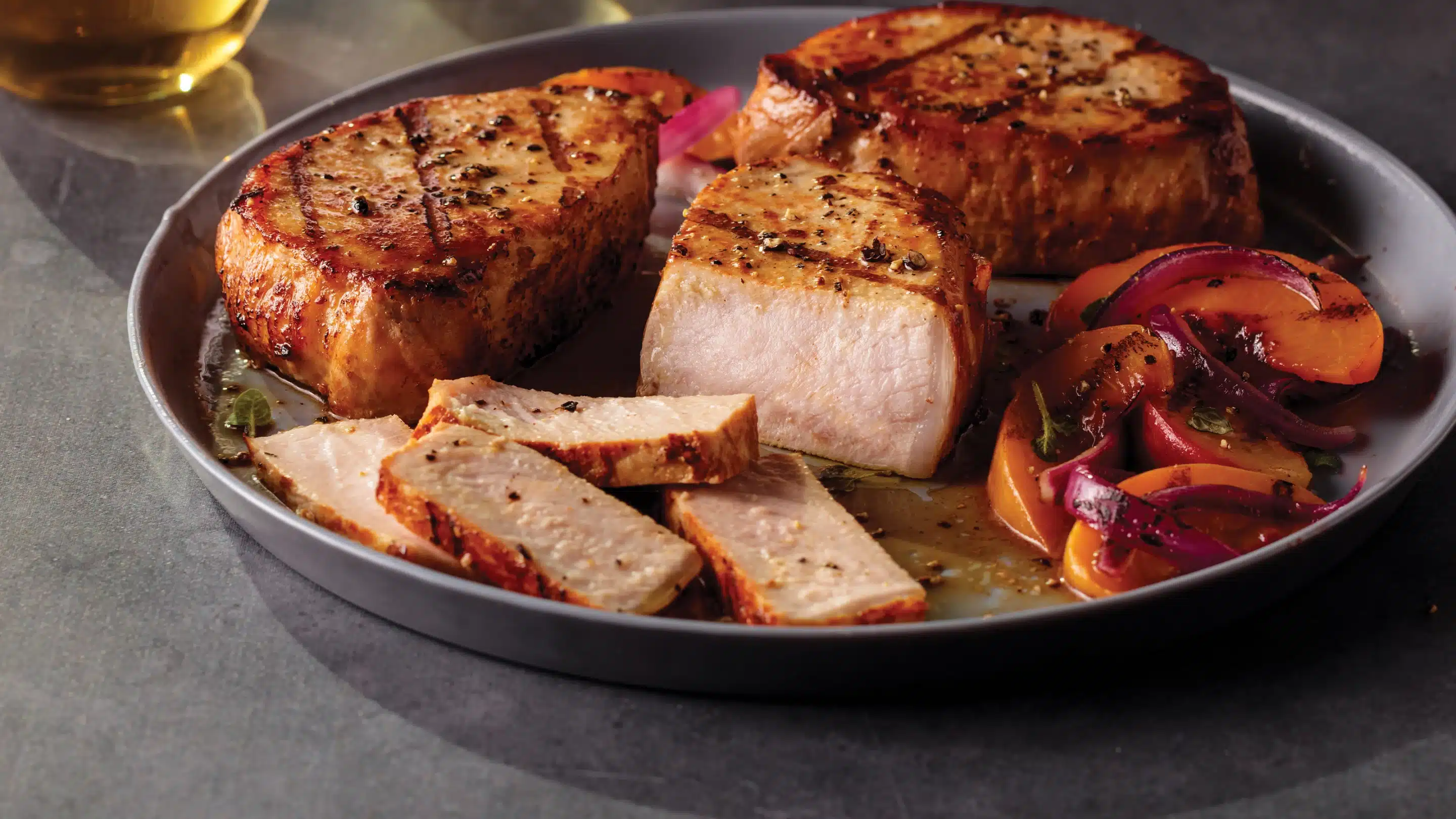
Combining two distinct proteins in a comforting pastry crust elevates a classic weeknight dinner into a hearty feast. A pork and chicken pot pie brings together the mild, tender qualities of poultry with the rich, savory depth of pork, creating a complex flavor profile that single-meat pies simply can't match.
When you balance the leaner texture of chicken breast or thighs with juicy, well-seasoned pork shoulder or tenderloin, you get a filling that remains remarkably moist. This dish relies on a velvety cream sauce, aromatic vegetables, and a flaky double crust to deliver pure comfort food satisfaction without complicated techniques.
Why Combine Pork and Chicken in a Pot Pie
Mixing meats isn't just about using up leftovers; it's a deliberate culinary choice that improves texture and taste. Chicken provides a familiar, neutral base that absorbs herbal aromatics easily, while pork introduces a savory richness that cuts through heavy cream sauces.
Balancing Textures and Cooking Times
Different cuts behave differently under heat. Chicken breast can dry out quickly if overcooked, whereas pork shoulder becomes tender and succulent the longer it simmers. To make this work seamlessly in a baked pie, you'll want to pre-cook both meats to the correct internal temperatures before they go into the pastry.
- Use boneless, skinless chicken thighs for extra moisture and flavor retention.
- Cut your pork into uniform cubes so it matches the bite size of the poultry.
- Sear the pork lightly to build fond in your pan before adding your vegetables.
Nutritional and Flavor Synergy
Pairing these two meats introduces a broader spectrum of amino acids, which naturally enhances umami. You'll find that chicken pairs effortlessly with sage, thyme, and rosemary—herbs that traditionally complement pork just as well. This shared flavor family ensures the filling tastes cohesive rather than confused.
Essential Ingredients for the Ultimate Savory Duo Pie
Getting the ratios right ensures neither meat overpowers the other. A 50-50 split works best, allowing both flavors to shine through the velvety gravy.
The Meat and Vegetable Foundation
- 1 pound boneless, skinless chicken thighs, cut into bite-sized pieces
- 1 pound pork tenderloin or boneless shoulder, trimmed and cubed
- 3 tablespoons unsalted butter
- 1 medium yellow onion, finely diced
- 3 carrots, sliced into rounds
- 2 stalks celery, sliced
- 3 cloves garlic, minced
The Velvety Gravy and Seasonings
- 1/3 cup all-purpose flour for thickening
- 3 cups low-sodium chicken or vegetable broth
- 1 cup heavy cream or whole milk for richness
- 1 teaspoon fresh thyme leaves
- 1/2 teaspoon dried sage
- Kosher salt and freshly cracked black pepper to taste
The Pastry Crust
- 2 sheets of store-bought all-butter puff pastry, thawed, or your favorite homemade double pie crust
- 1 large egg beaten with 1 tablespoon water for an egg wash
Step-by-Step Instructions to Build Your Pie
Creating an exceptional pot pie comes down to building layers of flavor in your Dutch oven before transferring everything to your baking dish.
1. Prep and Brown the Meats
Season your cubed chicken and pork generously with salt and pepper. Heat a large skillet or Dutch oven over medium-high heat with a splash of olive oil. Brown the pork first for about 5 minutes until golden, then remove it with a slotted spoon. Repeat this quick sear with the chicken, keeping it slightly undercooked in the center since it will finish baking in the oven. Set both meats aside.
2. Build the Aromatic Base
In the same pot with the rendered pan drippings, melt your butter over medium heat. Add the diced onions, carrots, and celery. Sauté for about 6 to 8 minutes until the onions turn translucent and the carrots begin to soften. Stir in the minced garlic, thyme, and sage, cooking for just one minute until fragrant.
3. Create the Velouté Gravy
Sprinkle the all-purpose flour evenly over the cooked vegetables. Stir constantly for 2 minutes to cook out the raw flour taste, forming a thick paste known as a roux. Slowly whisk in the chicken broth a little at a time to prevent lumps. Pour in the heavy cream and bring the mixture to a gentle simmer, stirring until the sauce thickens enough to coat the back of a spoon.
4. Combine and Cool
Return the cooked pork and chicken back into the pot, folding them gently into the creamy vegetable gravy. Taste the filling and adjust seasoning with salt and pepper as needed. Remove the pot from the heat and let the mixture cool for at least 15 minutes. Pouring boiling filling directly onto pastry will melt the butter and ruin the flaky layers.
5. Assemble and Bake
Preheat your oven to 400 degrees Fahrenheit. Line a deep-dish pie plate or casserole dish with your bottom crust. Pour the cooled pork and chicken mixture into the dish. Top with the second pastry crust, crimp the edges tightly to seal, and cut a few slits in the top to vent steam. Brush the pastry evenly with your egg wash. Bake for 35 to 40 minutes until the crust turns golden brown and the filling bubbles visibly at the edges. Let it rest for 15 minutes before serving. You can find more inspiration on comforting baking techniques through King Arthur Baking.
Common Mistakes to Avoid
Even experienced home cooks can run into trouble with double-crust meat pies. Watch out for these pitfalls to ensure success.
- Using hot filling: If your gravy is piping hot when it touches the raw pastry, the butter in the dough melts instantly, leading to a tough, greasy crust instead of a flaky one.
- Skipping the sear: Tossing raw meat straight into the gravy without browning leaves you with a pale appearance and misses out on deep, savory flavor development.
- Overcrowding the pan: Searing meat in batches ensures proper caramelization rather than steaming the protein in its own juices.
- Forgetting to vent: Always cut steam vents in the top crust so trapped moisture can escape without blowing out the sides of your pie.
Frequently Asked Questions
Can I make this pot pie ahead of time?
Yes, you can assemble the entire unbaked pie, wrap it tightly in plastic wrap, and store it in the refrigerator for up to 24 hours. When you're ready to bake, add an extra 5 to 10 minutes to the overall baking time since it starts cold.
What are the best cuts of pork to use?
Pork tenderloin works well if you want something lean and fast-cooking, while boneless pork shoulder yields a richer, melt-in-your-mouth texture if you braise it briefly beforehand. Avoid tough cuts that require hours of slow roasting unless you pre-cook them fully.
How do I prevent a soggy bottom crust?
Bake your pie on a preheated baking sheet placed on the lowest oven rack. The direct bottom heat helps cook the lower pastry thoroughly. For more culinary tips, consult resources like Food Safety and Inspection Service.
Can I freeze a baked or unbaked pot pie?
You can freeze unbaked pot pies wrapped tightly in heavy-duty aluminum foil for up to three months. Bake straight from frozen, adding 20 to 30 minutes to the standard cooking time and tenting the top with foil if it browns too quickly.