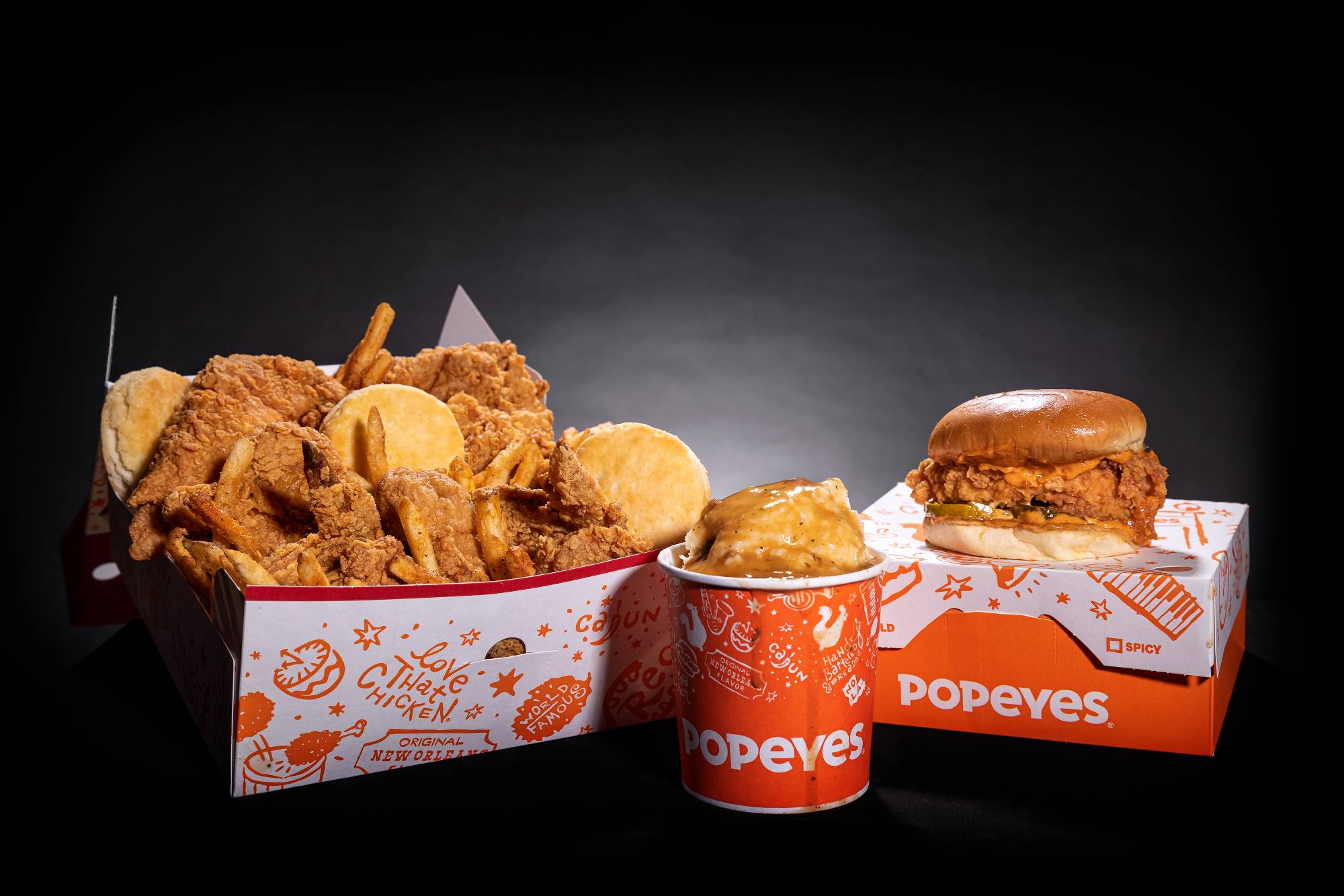
Starting a career in professional kitchens doesn't always require traditional culinary school debt. Quick-service restaurant chains now run structured internal training ecosystems. Popeyes Academy represents this shift, offering structured pathways designed to take kitchen staff from basic frying stations to multi-unit leadership.
Understanding how corporate culinary programs operate helps candidates evaluate whether fast-paced kitchen training matches their professional goals. This breakdown examines the curriculum structure, real-world execution, and career outcomes for participants in restaurant training frameworks.
The Evolution of Corporate Culinary Training
Traditional culinary arts programs often focus heavily on fine dining theory, classical French sauces, and slow-paced prep work. Quick-service restaurants operate on a different rhythm. Speed, consistency, strict food safety protocols, and inventory control drive the bottom line.
Major fast-food operators realized years ago that waiting for traditional graduates wasn't enough. They needed to build internal talent pipelines. The Academy model addresses this gap by combining technical kitchen competencies with high-volume business operations. Instead of spending thousands on a standard diploma, participants earn wages while learning standardized operational procedures.
Core Curriculum Tiers
The training framework splits into distinct phases. Each tier builds specific competencies required to handle high-volume kitchen environments safely and efficiently.
Foundational Kitchen Skills
The entry phase focuses heavily on core safety habits and fundamental station execution. Trainees don't jump straight onto the line during peak rush hours. Instead, they learn through structured modules covering:
- Basic knife safety and sanitation standards set by public health authorities.
- Proper oil filtration, fryer maintenance, and temperature monitoring.
- Station setup, organization, and the principles of workflow efficiency.
- Clear communication protocols during high-stress service periods.
Operational and Workflow Management
Once basic station competency is established, the curriculum shifts toward restaurant logistics. Running a profitable kitchen requires more than cooking good food. Trainees spend significant time mastering the operational backbone:
- Inventory tracking, waste reduction, and stock rotation practices.
- Drive-thru timing metrics, order accuracy targets, and customer service recovery.
- Cash handling procedures, register balancing, and opening or closing checklists.
- Time management strategies to maintain output quality under pressure.
Menu Execution and Quality Control
As team members transition toward senior shift roles, training introduces product adaptation and quality assurance. This tier ensures consistency across multiple locations by teaching:
- Exact battering, breading, and seasoning techniques for signature proteins.
- Recognizing ingredient degradation and maintaining strict shelf-life standards.
- Adapting to seasonal menu rollouts and promotional item preparation.
- Nutritional awareness and portion management guidelines.
Leadership and Multi-Unit Operations
The final phase targets individuals stepping into assistant manager or general manager positions. Technical cooking takes a backseat to people management and financial oversight. Key focus areas include:
- Shift supervision, conflict resolution, and staff coaching techniques.
- Labor scheduling, payroll percentage targets, and cost-of-goods calculations.
- Local store marketing initiatives and community engagement efforts.
- Strategic planning for long-term restaurant profitability.
Practical Implementation and Simulated Training
Classroom theory alone doesn't prepare anyone for a Friday night rush. Effective programs rely heavily on hands-on application within controlled environments before team members manage live shifts independently.
Trainees often utilize dedicated training modules, digital checklists, and mentorship from seasoned general managers. Working alongside experienced operators provides immediate feedback loops. When a team member makes an error on the breading station or miscalculates prep pars, a mentor corrects the technique on the spot. This experiential learning model ensures muscle memory and standard operating procedures become second nature.
Career Progression Paths
Graduating from internal corporate academies opens doors beyond single-unit kitchens. Many major quick-service operators actively promote from within.
Starting as a crew member can quickly transition into a shift supervisor role for candidates who complete structured training milestones. From there, successful leaders move into assistant general manager positions, overseeing daily financials and staff development. High performers frequently advance to multi-unit district manager roles, managing operations across several regional restaurants. The skills acquired—ranging from labor cost optimization to crisis management—transfer smoothly across the broader hospitality sector.
Frequently Asked Questions
Do you need prior restaurant experience to join?
Most quick-service training programs welcome entry-level applicants with no prior professional kitchen background. The foundational tier is specifically designed to teach basic safety, sanitation, and station tasks from scratch.
Are participants paid during the training program?
Yes. Unlike traditional culinary schools where students pay tuition, corporate training academies operate on-the-job. Trainees receive standard hourly wages or salaried compensation while completing their coursework and practical shifts.
How long does it take to complete all training tiers?
Timelines vary based on individual performance, prior experience, and local restaurant staffing needs. Foundational and operational tiers typically take several weeks of active shifts, while advanced leadership modules require months of hands-on management experience.
Can these skills transfer to other culinary careers?
The operational discipline, inventory management techniques, and food safety certifications gained through corporate training hold high value across the broader food service and hospitality industries. Many restaurant groups value the rigorous speed-of-service background typical of major franchise environments.



