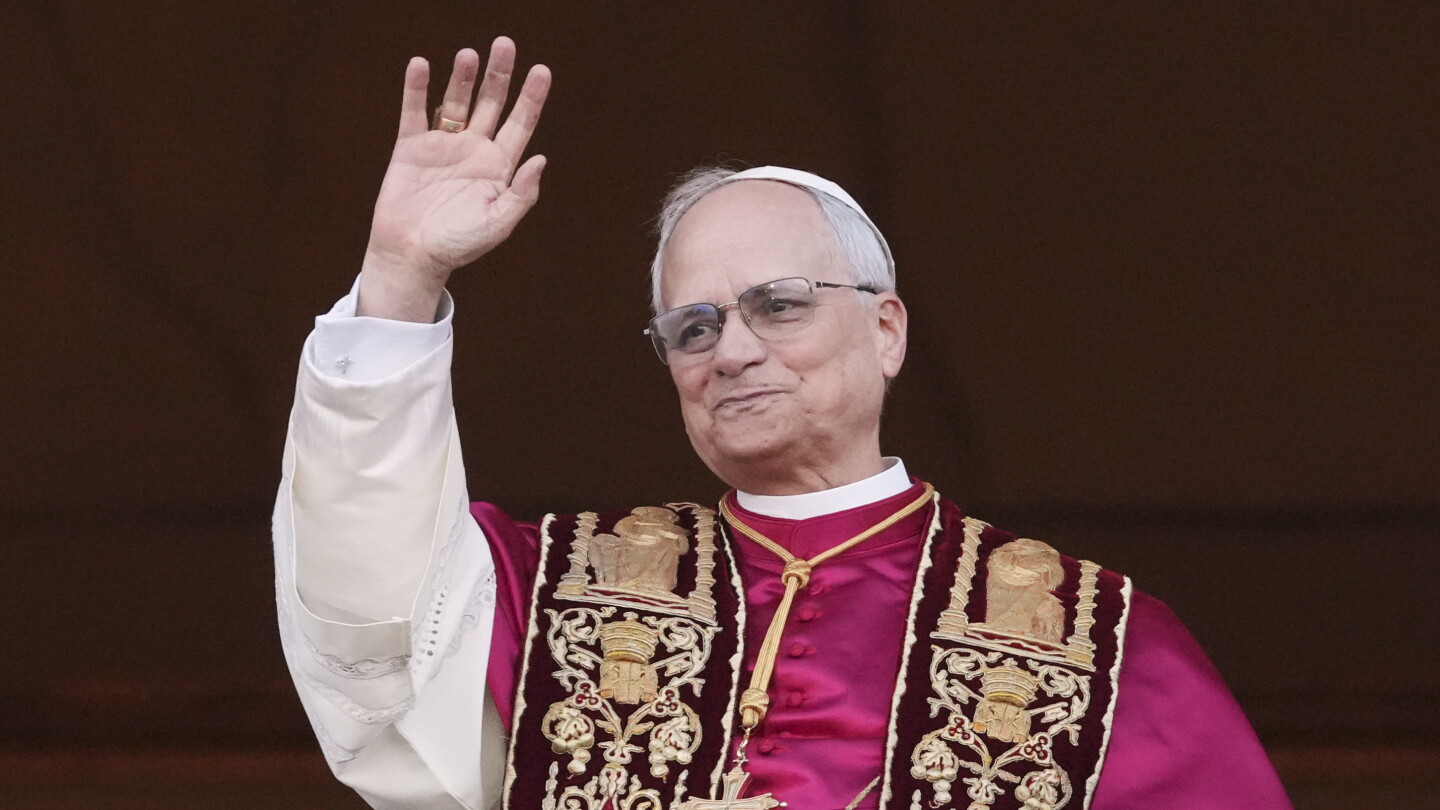
Pope Leo XII governed the Catholic Church and the Papal States from September 1823 until his death in February 1829. Born Annibale della Genga, his short pontificate defined a rigid, uncompromising reaction against the political and intellectual liberalism born from the French Revolution. Rather than embracing the shifting tides of 19th-century Europe, he sought to restore traditional ecclesiastical authority, tighten moral policing within Rome, and undo the more flexible administrative approaches of his predecessor’s administration.
His time in office represents a fascinating study in the contradictions of conservative governance. While he successfully negotiated diplomatic concordats with European powers and initiated large-scale infrastructure and Jubilee celebrations, his domestic social policies alienated the local population. Understanding Leo XII requires examining how a career diplomat attempted to freeze the clock on modernity, balancing institutional preservation with heavy-handed internal reform.
The Rise of Annibale della Genga
Born in 1760 near Spoleto to a noble family, della Genga was marked early for an ecclesiastical career. He studied at Osimo and Rome before receiving a papal dispensation to be ordained a priest in 1783. His charisma and administrative competence drew the attention of Pope Pius VI and later Pius VII, who deployed him on sensitive diplomatic missions across Europe, including posts in Lucerne, Cologne, and as a nuncio extraordinary to Regensburg.
His diplomatic career was marked by efforts to defend church interests against the encroachment of secular powers, most notably during the Napoleonic era. Though his early negotiations with Napoleon Bonaparte faltered, his loyalty and administrative experience earned him a cardinal's hat in 1816 from Pius VII. When the conclave met following the death of Pius VII in 1823, the zelanti faction—cardinals who favored a strict, uncompromising defense of church traditions against modern secularism—pushed for della Genga. Frail and suffering from chronic illness, he reportedly told the cardinals they were electing a corpse. Yet, upon his election as Leo XII, he embarked on an energetic, if divisive, reign.
Domestic Reform and Social Rigidity
Upon ascending the throne, Leo XII immediately replaced Cardinal Ercole Consalvi, the moderate Secretary of State under Pius VII. In Consalvi's place, he implemented a hardline domestic policy designed to purge secular and liberal influences from the Papal States. Education was placed under the absolute supervision of the clergy, with high school curricula and court proceedings mandated to operate strictly in Latin. Charitable institutions and local administration underwent sweeping reorganizations aimed at rooting out perceived moral laxity.
His administration enforced stringent regulations on daily life in Rome. Secret societies, such as the Carbonari and Freemasons, were aggressively suppressed. Furthermore, civil restrictions were imposed on minority populations, including new laws limiting property ownership rights for Jews living within the Papal States. While Leo XII personally lived a simple, austere life and attempted to lower certain taxes and streamline legal processes, the combination of heavy moral policing, strict civil codes, and poor overall economic conditions made his government deeply unpopular among the Roman populace.
Foreign Policy and the Jubilee of 1825
Externally, Leo XII achieved greater success through pragmatic diplomacy. He focused on securing concordats with various European courts, stabilizing the legal status of the Church in foreign nations. He also prioritized spiritual initiatives to rally the faithful, most notably proclaiming the Jubilee of 1825.
The Holy Year brought more than half a million pilgrims to Rome, serving as a massive demonstration of Catholic vitality in the post-Napoleonic era. To accommodate travelers and restore the physical dignity of the Eternal City, his administration undertook notable infrastructure projects, renovated ancient buildings, and supported cultural preservation. He also officially recognized several religious orders, including granting formal approval to the Missionary Oblates of Mary Immaculate in 1826.
Common Misconceptions About His Pontificate
Historical accounts of Leo XII often suffer from exaggeration, both from contemporary critics and later chroniclers. Two major points require historical clarification:
- The Vaccination Myth: Some 19th-century writers claimed that Leo XII formally prohibited smallpox vaccination within the Papal States. Modern archival research has found zero evidence of any such ban, indicating the rumor likely stemmed from political hostility directed at his administration's overall ultraconservative posture.
- Financial Recovery: While the Pope genuinely desired to balance budgets and reduce public debt, the structural economic stagnation of the Papal States proved too deep-seated. Despite aggressive tax adjustments and cost-saving measures, the treasury remained strained until his death.
For a broader perspective on the era's geopolitical landscape, visit Britannica's History of the Papacy. Additional archival documentation regarding 19th-century church governance can be explored through the Vatican Historical Archives.
Frequently Asked Questions
Why was Leo XII elected pope if he was in poor health?
The zelanti faction wanted a decisive leader who would reverse the perceived compromises of the previous administration. They valued his uncompromising ideological alignment over his physical stamina, though his unexpected survival for nearly six years surprised his electors.
What was Leo XII's stance on secret societies?
He viewed groups like the Freemasons and the Carbonari as direct threats to both civil order and Catholic doctrine. He issued strict prohibitions against them, utilizing the full investigative power of the Papal States to suppress their influence.
How did Leo XII impact education in the Papal States?
He secularized institutions by removing them from independent control, placing all schools directly under clerical authority. He also enforced traditional pedagogical standards, requiring instruction to be conducted entirely in Latin.
Did Leo XII succeed in reforming church finances?
Only partially. While he cut personal expenses and attempted to streamline administrative costs, external pressures, poor economic output, and the high expenses of events like the 1825 Jubilee prevented long-term fiscal recovery.



