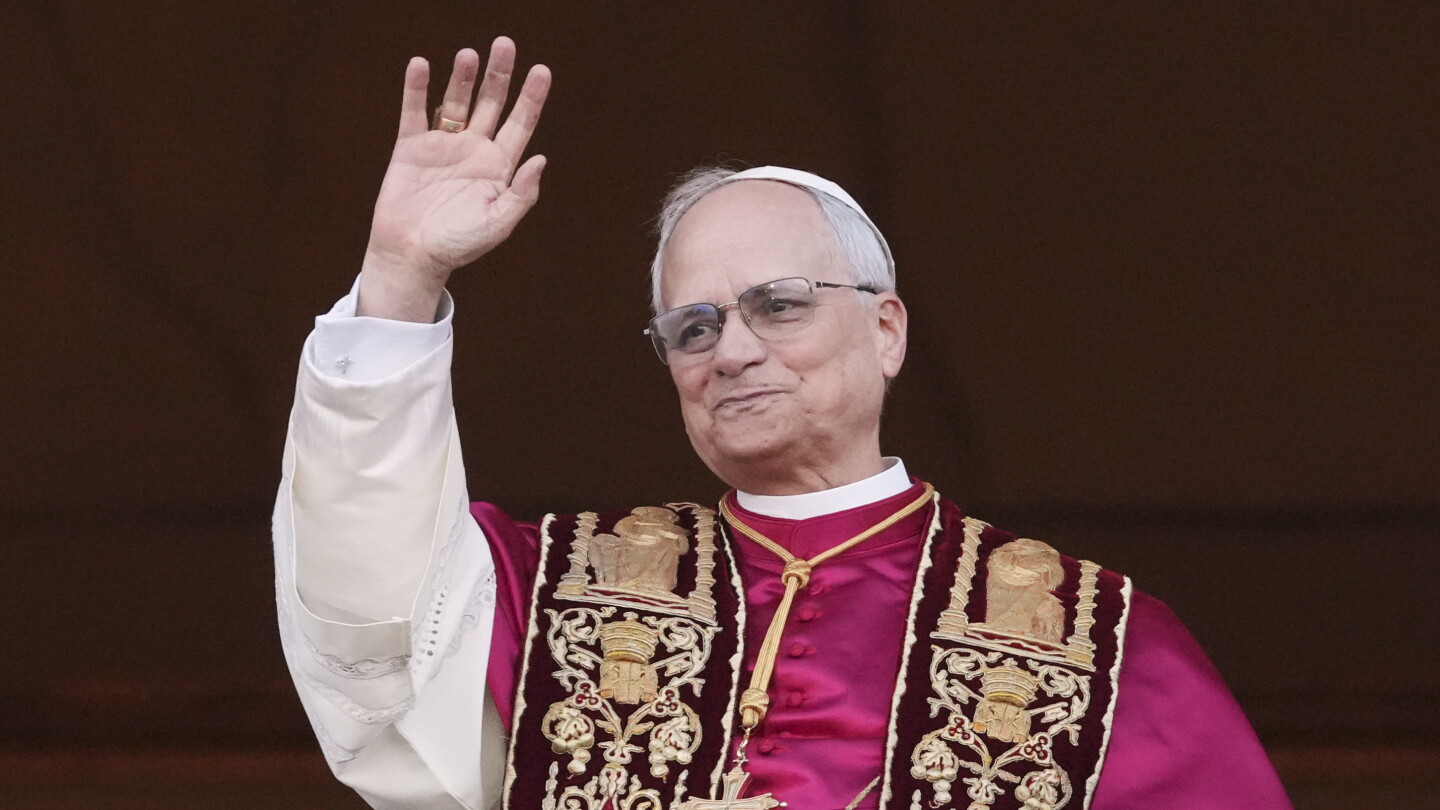
Pope Leo XII ruled the Catholic Church from 1823 to 1829, stepping into power during an era of deep political and social upheaval across Europe. Born Annibale Sermattei della Genga, his short pontificate was defined by a fierce reaction against the liberalism of the French Revolution and the modernizing policies of his predecessor, Pius VII. Rather than embracing the shifting tides of the 19th century, he sought to restore an austere, tightly controlled religious and civic order within the Papal States, sparking intense controversies that outlived his reign.
His election itself was an unexpected turn of events. Cardinals assembled in the 1823 conclave chose della Genga partly because he was believed to be gravely ill and nearing the end of his life. Protesting his poor health, he famously told the electors they were choosing a corpse. Instead of fading away quickly, he rallied, launching a rigorous and uncompromising campaign of administrative, moral, and ecclesiastical changes that left a complex legacy of reform and repression.
Rise to the Papacy and the Zelanti Agenda
To understand the trajectory of Leo XII, you must look at the faction that backed him. The zelanti—a conservative group of cardinals who opposed the moderate, conciliatory approach of Pius VII and his secretary of state, Cardinal Ercole Consalvi—pushed hard for della Genga's election. They wanted a leader who would aggressively roll back secular influences and reassert absolute ecclesiastical authority.
Once crowned, Leo XII wasted no time dismantling the administrative framework built by Consalvi. He dismissed Consalvi immediately, signaling a sharp pivot away from moderate governance. His vision of church leadership relied on strict centralization, moral policing, and an unyielding defense of traditional dogma.
Domestic Policies and the Papal States
Inside the borders of the Papal States, Leo XII's administration pursued a deeply reactionary and authoritarian agenda. He viewed Rome as a city that had grown morally lax under foreign occupation and liberal infiltration, and he was determined to purify it through rigid legislation.
- Civil and Moral Regulations: He imposed severe restrictions on public life, closing down theaters, limiting Carnival celebrations, and cracking down on public behavior deemed immoral or unchristian.
- Economic Stagnation: Despite efforts to reorganize the chaotic financial administration of the Papal States, his tax policies failed to stimulate the economy. The region remained economically impoverished, plagued by high unemployment and widespread public resentment.
- Treatment of Minorities: Among the most controversial domestic mandates was the reinstatement of harsh restrictions on non-Catholics, particularly Jews living within the Papal States. He revoked many of the property rights and commercial freedoms granted to them under previous administrations, forcing them back into tightly monitored quarters.
These draconian measures made his rule deeply unpopular among ordinary citizens in Rome and the broader provinces. Public discontent simmered beneath the surface, fueled by economic hardship and the heavy hand of the papal police.
Ecclesiastical Reforms and the Inquisitorial Revival
On a spiritual level, Leo XII sought to fortify the Church against the perceived dangers of modern thought, secret societies like the Carbonari, and Protestant proselytism. His ecclesiastical strategy centered on revitalizing traditional institutions of discipline and education.
He strengthened the efficiency and reach of the Inquisition, empowering church authorities to root out unorthodox ideas and suppress intellectual dissent. Universities and seminaries faced rigorous oversight to ensure that professors and students adhered strictly to orthodox theological lines, cutting off exposure to contemporary European philosophy and scientific rationalism.
At the same time, he promoted traditional devotional practices and declared the Jubilee year of 1825, drawing millions of pilgrims to Rome. While the Jubilee was celebrated as a spiritual success by the Vatican, critics noted the stark contrast between the lavish pageantry of the holy year and the grinding poverty endured by everyday subjects in central Italy.
Foreign Policy and Diplomatic Relations
On the international stage, Leo XII navigated a delicate balancing act. While he fiercely resisted liberalism at home, he had to deal pragmatically with the major European monarchies that dominated the post-Napoleonic landscape.
- Relations with European Powers: He maintained relatively smooth diplomatic ties with conservative powers like Austria, whose influence had helped secure his election. However, his stubborn resistance to political compromise frequently frustrated foreign diplomats.
- The American Colonies: One of the most significant diplomatic hurdles involved the newly independent republics of Latin America. Spain pressured the Vatican not to recognize these new states, demanding the preservation of royal patronage rights. Leo XII eventually moved to reorganize Hispanic dioceses and navigate the complex geopolitical reality of a post-colonial Americas, prioritizing the spiritual care of the faithful over Madrid's political demands.
Illness, Tragedy, and Legacy
Throughout his six-year pontificate, Leo XII's physical frailty remained a constant backdrop. He suffered from chronic ailments, including severe leg ulcers and respiratory issues, yet he maintained a relentless work ethic that surprised his contemporaries.
His death on February 10, 1829, was met with little public mourning in Rome, reflecting the deep unpopularity of his domestic policies. Street celebrations reportedly broke out in some parts of the city—a grim testament to the friction between his austere vision and the desires of his populace.
History views Leo XII as a tragic figure of the 19th-century papacy: a man of intense personal piety and conviction who fundamentally misread the direction of the modern world. By attempting to turn back the clock to an idealized past, he left his successors to grapple with explosive social pressures that eventually boiled over during the revolutions of 1848.
Frequently Asked Questions
Why was Pope Leo XII elected if he was in poor health?
The zelanti faction of cardinals wanted a conservative candidate who would reverse the liberal policies of Pius VII. They settled on della Genga because he was old, sickly, and expected to serve a very short transitional term, though he unexpectedly lived for nearly six years.
What were the primary economic conditions of the Papal States under his rule?
The Papal States remained economically poor and heavily taxed during his pontificate. Despite administrative attempts to balance the budget, high taxation and restrictive trade laws failed to generate prosperity for ordinary citizens.
How did Pope Leo XII handle the rise of secret societies?
He took a hardline stance against secret societies, particularly the Carbonari, issuing strict papal bulls such as Quo Graviora in 1825 to condemn them and reinforce the penalties of excommunication for any Catholics involved.
What is the historical consensus on his pontificate?
Historians generally view his reign as a period of intense conservative reaction. While his personal dedication to the Church was unquestioned, his repressive domestic laws and resistance to modernization alienated the population of the Papal States.
For more information on the history of the popes and archival records from this era, you can visit the Vatican Apostolic Archive. To explore broader European history during the 19th century, consult resources provided by the Library of Congress.



