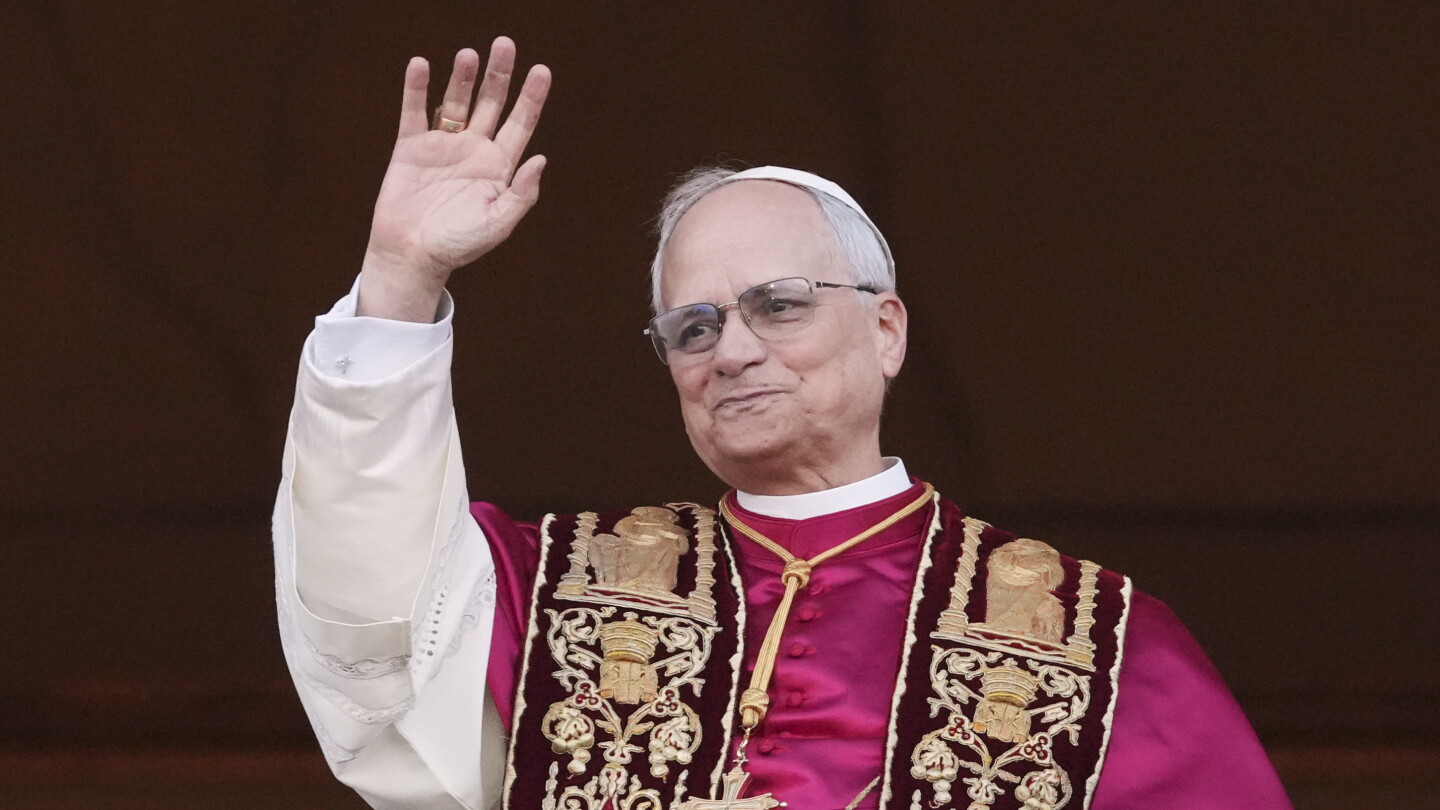
Pope John Paul II shaped modern world history through a rare blend of intellectual fortitude and personal humility. Serving as the head of the Catholic Church from 1978 until 2005, Karol Józef Wojtyła transformed the papacy from a primarily administrative office into a global moral megaphone. His vision centered on the inviolable dignity of every human person, while his humility was demonstrated through personal gestures of forgiveness, simplicity of lifestyle, and solidarity with the marginalized.
Examining his 26-year pontificate requires looking beyond standard biographical timelines. This article explores how Wojtyła's formative years in occupied Poland forged his worldview, how his encyclicals and global travels altered geopolitics, and how his personal practice of humility defined his spiritual authority.
Formative Years in Poland: The Crucible of Character
Karol Wojtyła was born on May 18, 1920, in Wadowice, Poland. His early life was marked by profound personal loss. By the time he was twenty, his mother, older brother, and father had all died, leaving him alone before entering adulthood. These compounding griefs instilled in him a deep empathy for human suffering and a persistent reliance on faith.
The outbreak of World War II interrupted his academic pursuits at Jagiellonian University. To avoid deportation and forced labor, Wojtyła worked in a stone quarry and later in a chemical factory. During the Nazi occupation of Poland, he participated in the clandestine Rhapsodic Theatre and underground educational networks, risking his life to preserve Polish culture and assist targets of the regime.
- The Secret Seminary: Discerning a call to the priesthood amidst immense danger, Wojtyła entered an underground seminary operated secretly by Archbishop Adam Stefan Sapieha in Kraków.
- Ordination: Following the end of the war, he completed his formal studies and was ordained as a priest on November 1, 1946.
- Intellectual Rigor: He was subsequently sent to Rome for doctoral studies, establishing a foundation in philosophy and theology that would inform his future writings.
The Papal Vision: Human Dignity and Geopolitical Shifts
When Wojtyła was elected to the papacy on October 16, 1978, he became the first non-Italian pope in 455 years. He immediately adopted a dynamic approach to his office, traveling extensively across the globe to engage directly with ordinary faithful and world leaders alike.
His vision was systematically laid out in his foundational encyclical, Redemptor Hominis (The Redeemer of Man), published in 1979. In this text, he argued that the path to understanding humanity does not run through political ideologies or economic systems, but through Christ. This framework had direct political consequences. His pilgrimage to Poland in 1979 galvanized the Polish population, giving moral backing to the Solidarity movement and playing a catalytic role in the eventual collapse of communism in Eastern Europe.
Key Pillars of His Pontificate
- Interfaith Outreach: He pursued aggressive reconciliation efforts, becoming the first modern pope to visit a Roman synagogue, entering a mosque in Damascus, and convening the 1986 World Day of Prayer for Peace in Assisi.
- Theology of the Body: Between 1979 and 1984, he delivered a series of Wednesday catechesis sessions that framed human embodiment, love, and sexuality through a theological lens.
- Youth Engagement: Recognizing the need to pass the faith to future generations, he instituted World Youth Day in 1985, drawing millions of young people to international gatherings.
A Height of Humility: Personal Witness and Mercy
While John Paul II commanded massive stadiums and addressed the United Nations, his private and public demeanor reflected intentional lowliness. He regularly rejected overly pompous traditional Vatican pageantry, preferred casual dialogue with pilgrims, and spent hours in silent prayer, often lying prone on chapel floors.
The most visible manifestation of his humility occurred following the May 13, 1981 assassination attempt in St. Peter's Square. After surviving gunshot wounds that nearly proved fatal, the Pope did not seek vengeance or retreat behind heavier security barriers. Instead, he visited his would-be assassin, Mehmet Ali Ağca, in his Italian prison cell in December 1983. Whispering words of forgiveness, John Paul II modeled the exact Christian mercy he preached, an act that stunned observers worldwide.
His later years brought severe physical decline due to Parkinson's disease. Rather than stepping down, he chose to display his suffering openly to the world. By continuing to travel, speak with a trembling voice, and struggle through public appearances, he offered a powerful counter-cultural statement against a society that worships absolute youth and efficiency.
Historical Assessment and Controversies
An objective evaluation of John Paul II's long pontificate requires acknowledging both his monumental achievements and the criticisms leveled against his administration. Scholars and historians frequently point to several complex areas:
- Centralization of Authority: His governance style tightly centralized doctrinal decisions within the Roman Curia, leaving limited room for regional ecclesiastical autonomy on specific disciplinary matters.
- Handling of Clerical Abuse: Critics note that during his long tenure, systemic patterns of clerical abuse and institutional concealment were not adequately recognized or addressed globally, creating a painful shadow over parts of his administrative legacy.
- Doctrinal Continuity: He firmly maintained traditional Church discipline regarding the male-only priesthood and artificial contraception, drawing sharp debate from progressive theologians and secular commentators.
Despite these intense debates, his role as a spiritual anchor during the turbulent closing decades of the twentieth century remains undisputed by historians tracking global democratization and religious freedom.
Frequently Asked Questions
How many languages did Pope John Paul II speak?
He was a noted polyglot, fluent in conversational and theological terms across approximately 11 to 12 languages, including his native Polish, Italian, English, French, German, Spanish, Latin, and classical Greek.
What were his primary literary contributions?
Beyond numerous apostolic letters and exhortations, he authored 14 papal encyclicals, addressing social teaching, labor rights (Laborem Exercens), faith and reason (Fides et Ratio), and the moral fabric of society (Evangelium Vitae).
Why is he considered a saint?
Following his death on April 2, 2005, the Catholic Church initiated the formal canonization process. He was beatified in 2011 and canonized as a saint by Pope Francis on April 27, 2014, after tribunals verified miracles attributed to his intercession. Further biographical details can be found via the Vatican News Archives.
How did his background in theater influence his papacy?
Before entering the seminary, Wojtyła was heavily involved in poetry, drama, and linguistic studies. This background lent him an extraordinary stage presence, expressive delivery, and an intuitive understanding of visual symbolism during large public gatherings.



